
Last updated November 24, 2026
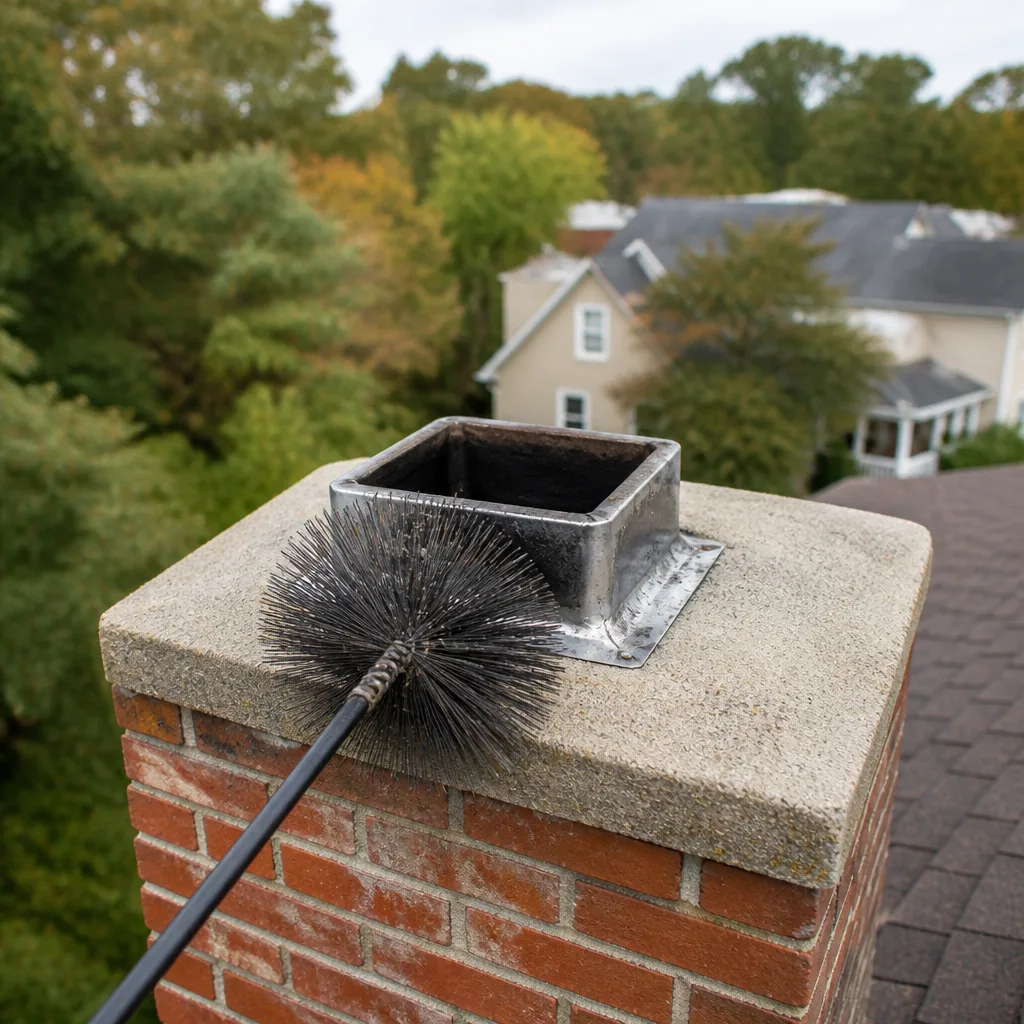 Sweep & inspection
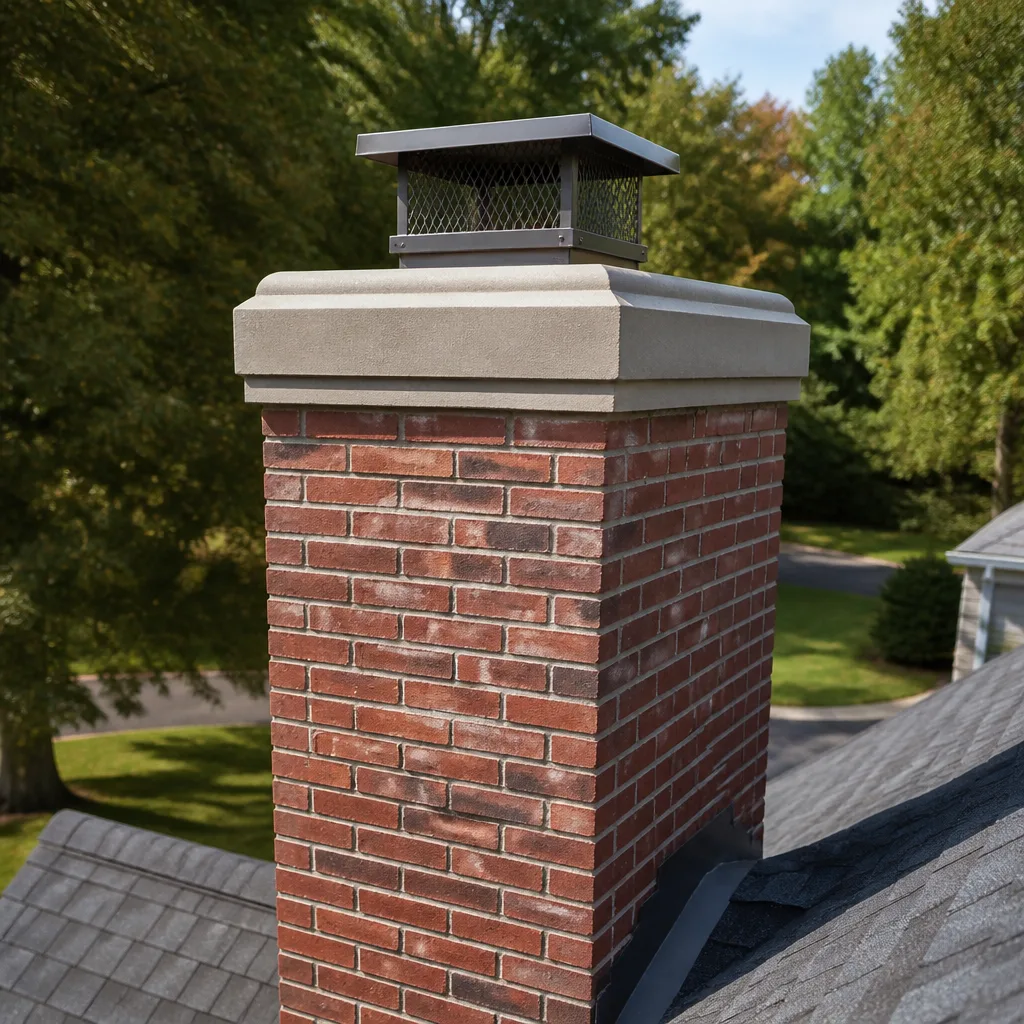 Caps & crowns
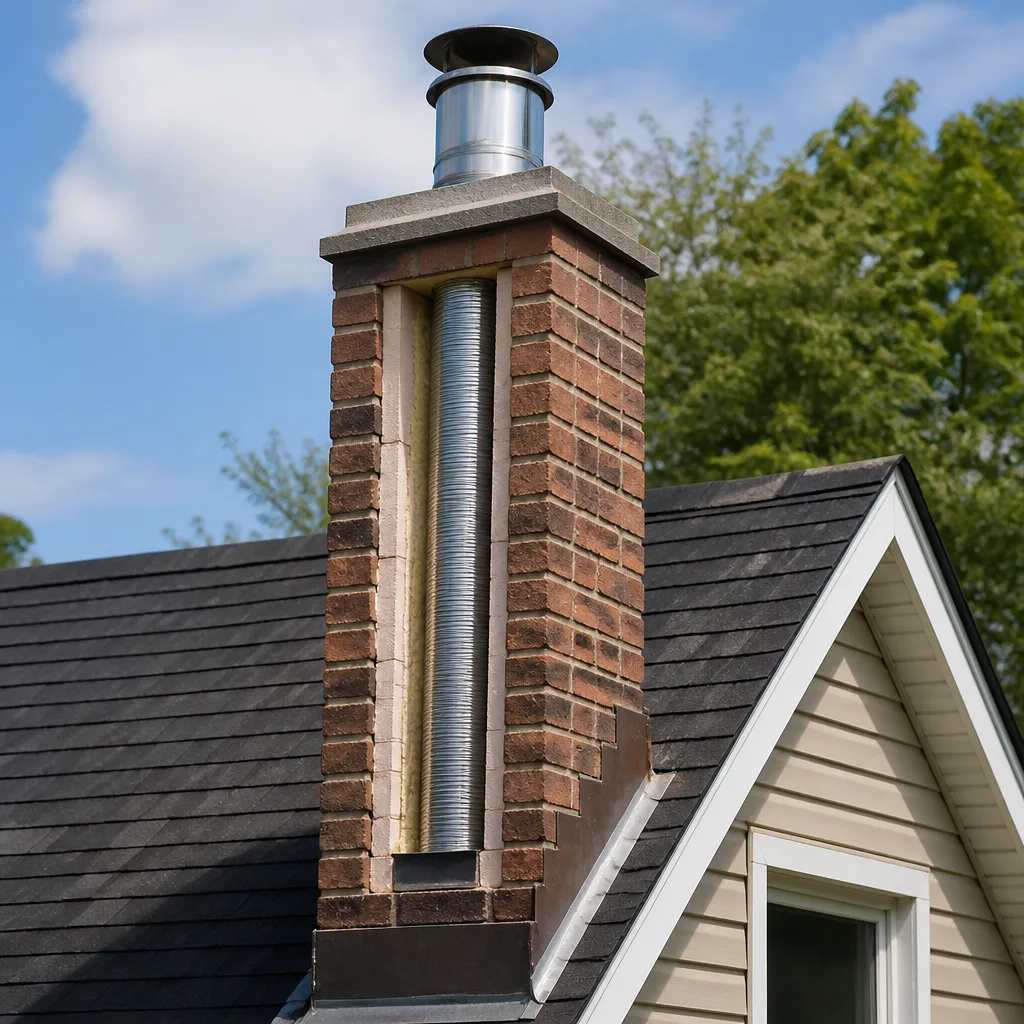 Flue relining
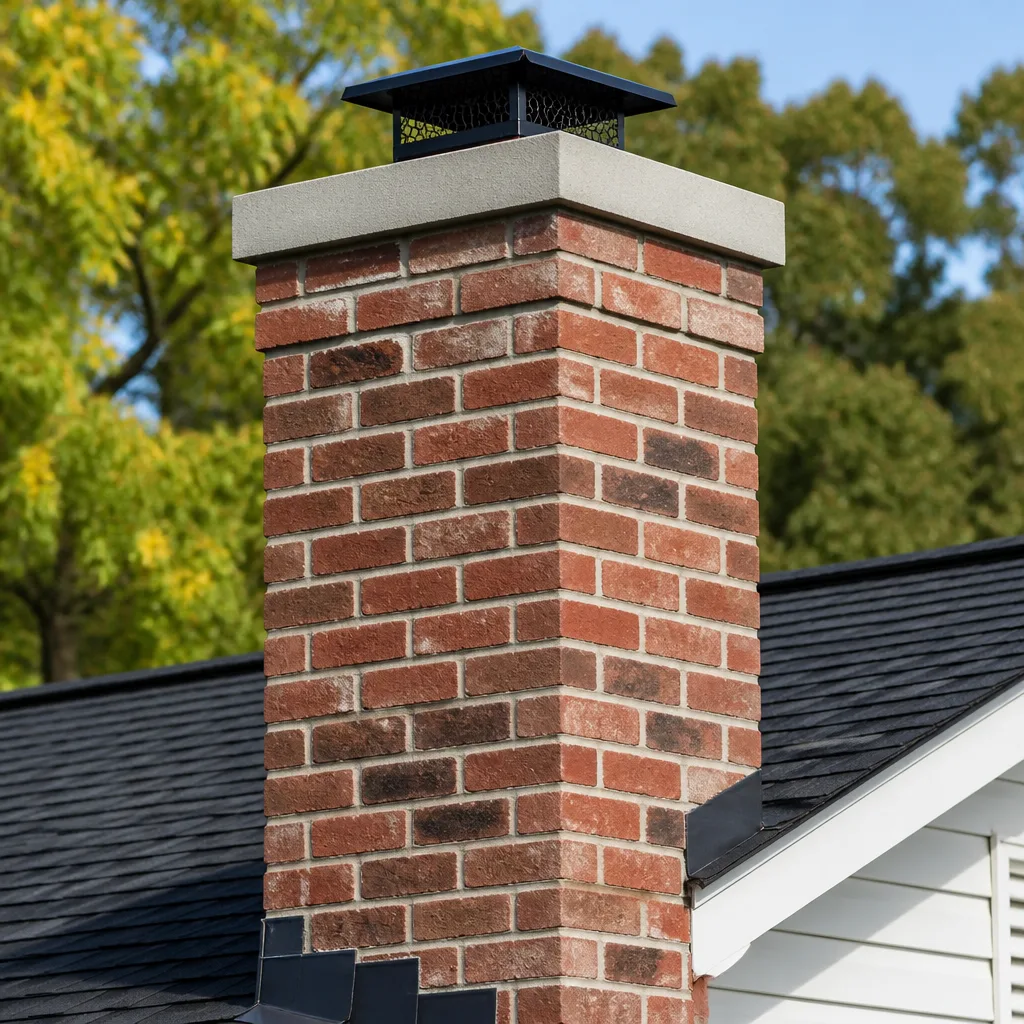 Masonry repair
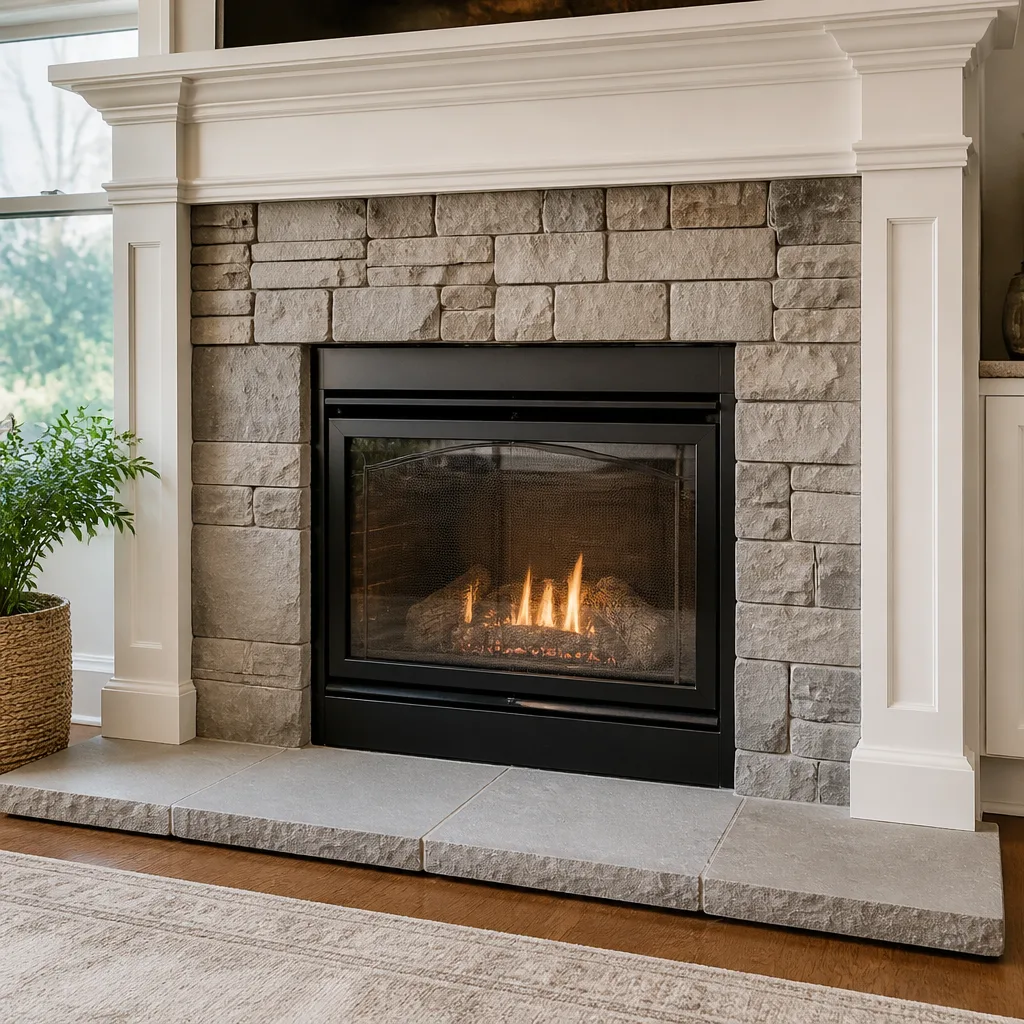 Gas fireplace service
Level 1 sweep and inspection to the NFPA 211 annual standard - flue, crown, cap, and flashing checked and photographed
Chimney sweep logs do not sweep chimneys. They loosen some creosote - which then falls where a brush and vacuum still have to collect it.
DIY vs Professional Chimney Cleaning: The Irving Park Homeowner’s Decision Guide
You can safely brush light soot out of a firebox yourself with the right tools. What you cannot safely assess is the flue liner sitting behind that firebox, and whether it is intact enough to make the fireplace safe to use at all. That’s the split most cleaning advice never bothers to make. Most of the “hire a pro” warnings treat chimney care as a single job that always needs a professional, and most of the “save money” blog posts treat it as a chore anyone can do. Both are wrong. This guide draws the actual line, task by task, so Irving Park homeowners can tell which parts of chimney upkeep are reasonable to handle and which parts are not.
Quick Answer
Light firebox brushing, removing debris from around the cap, and checking the exterior of the chimney from the ground are reasonable for a homeowner with basic tools and a healthy respect for heights. Rotary cleaning of heavy creosote, camera inspection of the flue, mortar joint evaluation, and any work on liner integrity require professional equipment and training. If your fireplace has not been swept in a season or two, or you’ve just bought an older Irving Park home, a professional visit is the right starting point, not a DIY attempt.
Styles & brands we work with
- Sweep & inspection
- Caps & crowns
- Flue relining
- Masonry repair
- Gas fireplace service
Table of Contents
- Where the DIY Line Actually Falls
- Three Chimney Tasks You Can Reasonably Do Yourself
- What Requires Professional Equipment (and Why)
- Why DIY Cleaning of Heavy Creosote Can Backfire
- The Cost Math: When DIY Saves and When It Delays Diagnosis
- How to Verify Your Contractor Brought the Right Tools
- Irving Park Housing, Weather, and the Case for a Real Inspection
- Common Mistakes to Avoid
- When to Call a Professional
- Frequently Asked Questions
Where the DIY Line Actually Falls
The line between homeowner maintenance and professional work is not drawn where most people assume. It’s not at “anything past the firebox door.” It’s at the point where a tool no longer reaches, or where the task changes from cleaning to diagnosing. Cleaning is a physical job. Diagnosing is a judgment job, and the judgment is what keeps the house safe.
Think about it in three layers. The first layer is the firebox and the smoke chamber above it. Those are accessible, mostly visible, and forgiving of a little inexperience. The second layer is the flue itself, where soot and creosote accumulate on surfaces you cannot see from below. The third layer is the flue liner, the mortar joints, and the crown at the top, where the real safety questions live. A brush used from the top down without a camera can knock soot loose, but it cannot tell you the liner behind that soot is sound.
What most homeowners in Irving Park need is clarity on that third layer. When we sweep a chimney, the sweep itself is often the easy part. The value comes from seeing what state the liner is in, because a fireplace that looks fine from the living room can have a compromised liner that lets combustion gases into the house or lets heat near framing that was never meant to see it.
There’s a second reason the line matters. DIY work that loosens creosote without removing it fully, or that disturbs a liner that was already failing, turns a straightforward cleaning into a repair. We see this regularly on older properties around Irving Park where the chimney has been handled season-to-season with no inspection behind it. The homeowner didn’t do anything reckless. They just didn’t know where their tools stopped being the right tools for the job.
Three Chimney Tasks You Can Reasonably Do Yourself
Not every chimney task needs a contractor. If you’re comfortable on a ladder and you’re careful, there’s real value in routine upkeep you can do safely. Here are the three tasks we’re comfortable recommending.
- Brushing light soot from inside the firebox. A proper chimney brush sized to the firebox, a shop vacuum rated for fine ash, and a drop cloth will let you remove surface soot between sweeps. This reduces odor and dust in the living space. It does not substitute for a full flue sweep.
- Removing leaves, twigs, and animal debris from around the chimney cap. Bird nests and leaf buildup around the cap obstruct airflow and can create draft problems. A visual check from the roof (or from a safe vantage) and light debris removal when it’s safe to reach is a reasonable homeowner task. Never reach into a flue opening or pull nesting material out of a flue from above without a proper camera check first.
- Doing a ground-level visual inspection. From the yard, look at the chimney crown for visible cracks, check that the cap is intact, and note any obvious masonry spalling or white staining on the outside of the chimney. This is observation, not diagnosis. If anything looks wrong, it’s a reason to call, not a reason to climb.
That third item is more useful than it sounds. Most of the structural problems we find on Irving Park chimneys start as small exterior issues: a hairline crown crack, a cap that’s shifted in a storm, mortar showing the early stages of wear. Spotting those from the ground and calling early is how you keep a small repair small.
What Requires Professional Equipment (and Why)
Some chimney work genuinely requires professional equipment, and this is where the line becomes firm. Rotary cleaning of heavy creosote, camera inspection of the flue interior, and mortar joint evaluation all fall on the professional side. So does anything involving the liner.
Here’s what each one actually involves, so you can see why.
- Rotary cleaning of heavy creosote. A rotary sweep uses a spinning head on a flexible rod to physically break up glazed creosote that a hand brush cannot touch. It requires the right heads, the right speed, and the ability to control dust and debris. Running the wrong head, or running it at the wrong speed, can damage a liner that was previously sound.
- Camera inspection of the flue. A camera on a flexible rod goes the length of the flue and returns images of cracks, gaps, offset joints, and creosote buildup you can’t see from below. This is the single most important tool in chimney work, and it’s the one most homeowners have no way to replicate.
- Mortar joint evaluation. Brick and mortar joints that look intact from outside the chimney can have internal voids or eroded mortar that weakens the structure. Judging joint condition requires a trained eye and, usually, images you can study alongside the inspector.
- Liner integrity assessment. This is the big one. A clay tile liner with a crack running its length will let hot gases and combustion byproducts into the chimney cavity. A camera inspection is what reveals that. No brush, mirror, or flashlight from below can substitute.
- Crown and cap work, and repair. This is chimney cap & crown territory. Proper installation of a cap that actually fits the flue (not a hardware-store approximation) and resurfacing of a failing crown are professional work, often done with product lines not sold at retail.
For any of these tasks, the local professional we connect you with is vetted, and their work is licensed and insured as their state requires. That matters when a task involves heights, tools that can damage a liner if misused, or a judgment call about whether the fireplace is safe to keep using.
Why DIY Cleaning of Heavy Creosote Can Backfire
Creosote is the tar-like residue that condenses inside a chimney as wood smoke cools. It comes in stages, and the difference between early-stage and advanced forms is the difference between “brushable” and “not a DIY job at all.”
Light, flaky creosote accumulates as a dust-like coating from normal burning. A chimney brush will knock most of it loose. That’s the version that responds to routine sweeping, professional or otherwise.
Heavier creosote forms a crust that a brush will not remove cleanly. Glazed creosote is the most advanced stage, and it looks like hardened tar coating the flue walls. It is difficult to remove, and it’s also the most flammable form. When glazed creosote ignites, it burns hot enough to damage a liner and, in a bad case, to spread beyond the chimney itself.
Here’s the part that makes DIY cleaning of glazed creosote genuinely risky. Brushing a glazed deposit can chip and score the surface, which exposes fresh bondable material underneath. In practice, this can make the deposit harder to remove cleanly the next time and can accelerate the rate at which the deposit builds back. If the brush stops short and doesn’t fully clear the creosote, the homeowner walks away thinking the chimney is clean when it isn’t.
The professional approach uses a rotary head designed for the creosote stage present, and it verifies the result with a camera. If you’ve been burning a lot of green or unseasoned wood, or your fireplaces have been in service for many seasons without a proper sweep, assume the deposit is heavier than it looks and start with an inspection. In our experience, DIY brushing on anything past light flake is where people get into trouble.
The Cost Math: When DIY Saves and When It Delays Diagnosis
The decision guide math is simpler than it feels. A DIY approach saves money when the task is genuinely within your reach: firebox brushing, ground-level visual checks, cap debris removal. It costs money when it delays a diagnosis that would otherwise have caught a problem early.
Picture the two paths. On the DIY path, you brush what you can reach, you assume the rest is fine, and you carry on burning. If the liner has a hairline crack or a failing mortar joint, none of that shows up at the firebox. On the professional path, you get a sweep that removes what the brush alone can’t, and you get a camera inspection that shows you exactly what the flue liner looks like. Anything that’s worth doing gets flagged, and anything that is not urgent gets flagged as not urgent.
The professional visit also serves as documentation. An inspection report, with photos, is useful when you’re selling the home, when your insurer asks about the chimney, or when you want a record of what condition the chimney was in at a given point.
That’s the practical case for a professional sweep every year or two. Not because DIY is dangerous in itself, but because the sweep is the only intervention that comes with a diagnosis attached.
To keep your chimney safe between sweeps, Chimney Sweep Irving Park provides sweeps with camera inspection and a photo report included, priced per job by a written estimate agreed before we book. That estimate is free, and you see exactly what we found. If you’re on the fence about whether it’s time, call (844) 625-7370 and we’ll talk through it.
| Task | Who should do it | Why |
|---|---|---|
| Firebox soot brushing | Homeowner, with proper tools | Accessible, surface-level, low risk |
| Ground-level visual check | Homeowner | Observation only; no diagnosis |
| Cap debris removal | Homeowner, if safe to reach | Airflow maintenance, low risk |
| Full flue sweep | Professional | Requires reach and correct brushes |
| Camera inspection | Professional | Only way to see the liner interior |
| Rotary cleaning of glazed creosote | Professional | Wrong tool or speed can damage the liner |
| Mortar joint evaluation | Professional | Judgment call on internal condition |
| Liner resurfacing or replacement | Professional | Product lines like HeatShield or DuraFlex are not available through DIY channels |
| Crown and cap installation | Professional | Precise fit and material selection; height work |
How to Verify Your Contractor Brought the Right Tools
You don’t need to inspect the contractor’s toolbox, but you should be able to see which tools came out and which didn’t. A sweep who arrives with a brush on a stick and nothing else has brought half the kit. A proper chimney sweep in Irving Park will typically show up with the following, and you’ll see them use most of it.
- Brushes sized to your flue. A chimney brush that is too large can score the liner; too small and it leaves soot behind. The right size depends on the shape of your flue, which the technician will check before selecting a brush.
- A rotary tool for heavier deposits. A flexible rod with a spinning head shows the technician is equipped for creosote beyond the light flake stage. If your flue only needs a hand brush, that’s a fair outcome, but the rotary tool should be in the van.
- A camera on a flexible rod. This is the one you should actually ask about. Any contractor who cannot show you camera footage of your flue is offering an incomplete service. The photo report is what lets you see what they saw.
- A drop cloth, HEPA-rated vacuum, and sealing equipment. Proper dust containment separates a serious sweep from a quick one. You should not see soot drifting into the room.
- Product and material samples. If the conversation moves toward a cap, a crown repair, or a liner, expect to see details of the actual product. Materials from lines like DuraFlex, Olympia Chimney, Copperfield, or Gelco should be identifiable by name and spec, not just described in general terms.
The photo report matters as much as the tools. Nothing is recommended without camera evidence you can see for yourself, and we say plainly when work can safely wait. If a contractor wants to sell you a liner or masonry repair without showing you the images behind it, that is the moment to ask for them.
If you ever move into a repair conversation, fireplace repair and liner work is where material choice matters most. A resurfacing product like HeatShield and a flexible liner system like DuraFlex do completely different jobs, and using the wrong material for the condition is one of the most common failure points we see on Irving Park chimneys.
Irving Park Housing, Weather, and the Case for a Real Inspection
Irving Park sits in a stretch of the country with a real heating season and a real humid summer, and both affect chimney condition. Winter burning means accumulated creosote. Summer humidity means the masonry has to endure repeated wet-and-dry cycles. Older housing stock, which is common across Irving Park, adds a third factor: chimneys built to standards that looked fine decades ago and that benefit from a modern inspection.
The weather story here is not salt air or hail. It’s the ordinary freeze-thaw of a normal inland climate. Water gets into a hairline crown crack, freezes overnight, expands, and opens the crack a little more. That cycle repeats across the winter and, over enough seasons, moves from a minor crown repair to a structural chimney repair. A camera inspection and an exterior check catch the crack early.
The housing story is similar. Older Irving Park homes often have clay tile liners that have been in service for many seasons. Clay tile is durable, but it cracks. Once a tile cracks, the combustion gases and moisture have a path around the liner, and that path is invisible from the firebox. A camera inspection is the only reliable way to see the condition of the tiles and joints, and that’s the inspection we do before we recommend anything.
Irving Park houses also tend to have one or two fireplaces in regular use, which means creosote builds at a steady pace across the heating season. A sweep every year or two, combined with the firebox brushing you can do yourself between visits, keeps the system in good shape. Skip the sweep for several seasons and the deposit stages climb, which is why the cost math above leans toward the professional visit sooner rather than later.
When a sweep turns up something beyond cleaning, having one contractor who can handle the whole scope is worth knowing about. Chimney Sweep Irving Park works from the firebox to the crown, with cap and crown work, fireplace repair, and structural chimney repair under one provider. That means no referral chains and no scope gaps between the sweep and the fix.
Common Mistakes to Avoid
- Brushing a glazed creosote deposit with a hand brush and calling it clean. The surface may look better from the firebox while the deposit is still intact inside the flue. Have the flue inspected before assuming a DIY pass worked.
- Skipping the camera inspection because the sweep “looked fine.” A clean sweep doesn’t tell you the liner is sound. The camera is what tells you that, and it should be part of any professional visit.
- Buying a hardware-store cap because it’s on the shelf. A cap that doesn’t fit the flue correctly can restrict draft or leave gaps. The right cap for your flue is not always the nearest one in stock, which is why we stock lines like Gelco, Famco, and Olympia Chimney for fit-accurate selection.
- Ignoring a hairline crown crack through the winter. Freeze-thaw cycling makes small crowns expensive crowns. A minor crack seen from the ground is worth a call.
- Treating an inspection as a sales pitch. A real inspection hands you a report with photos. If a contractor won’t show you the evidence, you’re not getting an inspection.
- Using a general handyman for chimney work. Chimney work is its own trade, with its own materials and equipment. A handyman with a ladder is not a substitute for a chimney sweep who can also assess liner condition.
- Burning unseasoned wood all season and expecting a brush to fix it. Green wood deposits creosote faster. If you’ve been burning wet wood, your sweep interval should shorten, not stretch.
When to Call a Professional
Call a professional if your fireplace hasn’t been swept in a season or two, if you’ve just bought an older Irving Park home and want to know the chimney is safe to use, if you’ve been burning a lot of unseasoned wood, if you’ve seen smoke backing into the room, or if any part of the chimney from the firebox to the cap looks wrong from inside or from the ground. Those are all reasons to get eyes on the flue, not reasons to try a DIY pass first.
A chimney fire, a blocked or restricted flue, and the carbon monoxide risk from a compromised liner are the reasons chimney work gets scheduled before the heating season, not during it. If any of those risks are on your mind, that’s a professional visit, not a homeowner task.
Chimney Sweep Irving Park offers free estimates in Irving Park. Call (844) 625-7370 and we’ll talk through what your chimney needs. Our technicians have up to 8 years of experience, and we go from the firebox to the crown in a single visit. We answer 24/7; fast dispatch from 7am to 7pm, Sunday through Friday. We’re closed on Saturday, so a Saturday call gets booked into the next opening.
Frequently Asked Questions
It’s safe to brush light soot from the firebox, clear debris from around the cap, and do a ground-level visual check. It is not safe to attempt rotary cleaning of heavy creosote or to assume the flue liner is sound based on a look from below. If you’re unsure which stage your chimney is at, the right first step is a professional inspection. Call (844) 625-7370 for an exact quote; estimates are free.
Pricing is per job by written estimate, and we agree the estimate before we book, so there’s no surprise on the day. The estimate is free, and it reflects what your chimney actually needs after inspection rather than a flat line for every home. Call (844) 625-7370 for your estimate.
Only if the camera shows the current liner is compromised, and not before. A clay tile liner with a lengthwise crack, an offset joint, or a gap that lets combustion gases into the chimney cavity is a liner replacement question. A liner that’s intact on camera is not. We inspect before we recommend, and nothing is recommended without camera evidence you can see for yourself. Call (844) 625-7370 to book an inspection.
Once a year is a common baseline for a fireplace in regular use, and every two years is often reasonable for a fireplace used lightly. If you’ve been burning unseasoned wood, if your fireplace is older, or if you’ve just bought a home in Irving Park, sweep and inspect before the next heating season. Call (844) 625-7370 and we’ll help you judge the interval your chimney actually needs.
Creosote accumulates, and the deposit stage climbs from flake toward glazed. Glazed creosote is the form that drives chimney fires, and a chimney fire can damage the liner or spread beyond the chimney. Skipping the sweep also means skipping the inspection, which means a compromised liner or a hairline crown crack can go unnoticed until it becomes a bigger repair. The urgency is seasonal (before the heating season), not hourly, so book when the season starts to turn. Call (844) 625-7370 to book.
Yes, and that’s the main thing the professional visit buys you. A camera inspection sees the length of the flue liner, the mortar joints, and the condition of the cap and crown. A hand brush does not. That’s why we inspect before we recommend, and it’s why an inspection report is useful for a real estate transaction or an insurance review.
The Bottom Line
The DIY chimney debate deserves a more honest answer than “leave it to the professionals.” Some homeowner maintenance is reasonable: firebox brushing, ground-level visual checks, cap debris removal. Some work is not: rotary cleaning of heavy creosote, camera inspection, mortar joint evaluation, and anything involving the liner. The professional visit is what buys you a diagnosis, and the diagnosis is what turns a small crown repair into a small crown repair instead of a structural chimney repair. If you’ve just bought an Irving Park home, or your fireplace has been burning for a few seasons without a sweep, start with an inspection. Chimney Sweep Irving Park works with professional-grade materials like DuraFlex, HeatShield, and Olympia Chimney components, and we offer chimney inspection as a standalone service with documentation for real estate and insurance. Call (844) 625-7370 for a free estimate. We answer 24/7; fast dispatch from 7am to 7pm, Sunday through Friday.
Written by the team at Chimney Sweep Irving Park.
See the difference
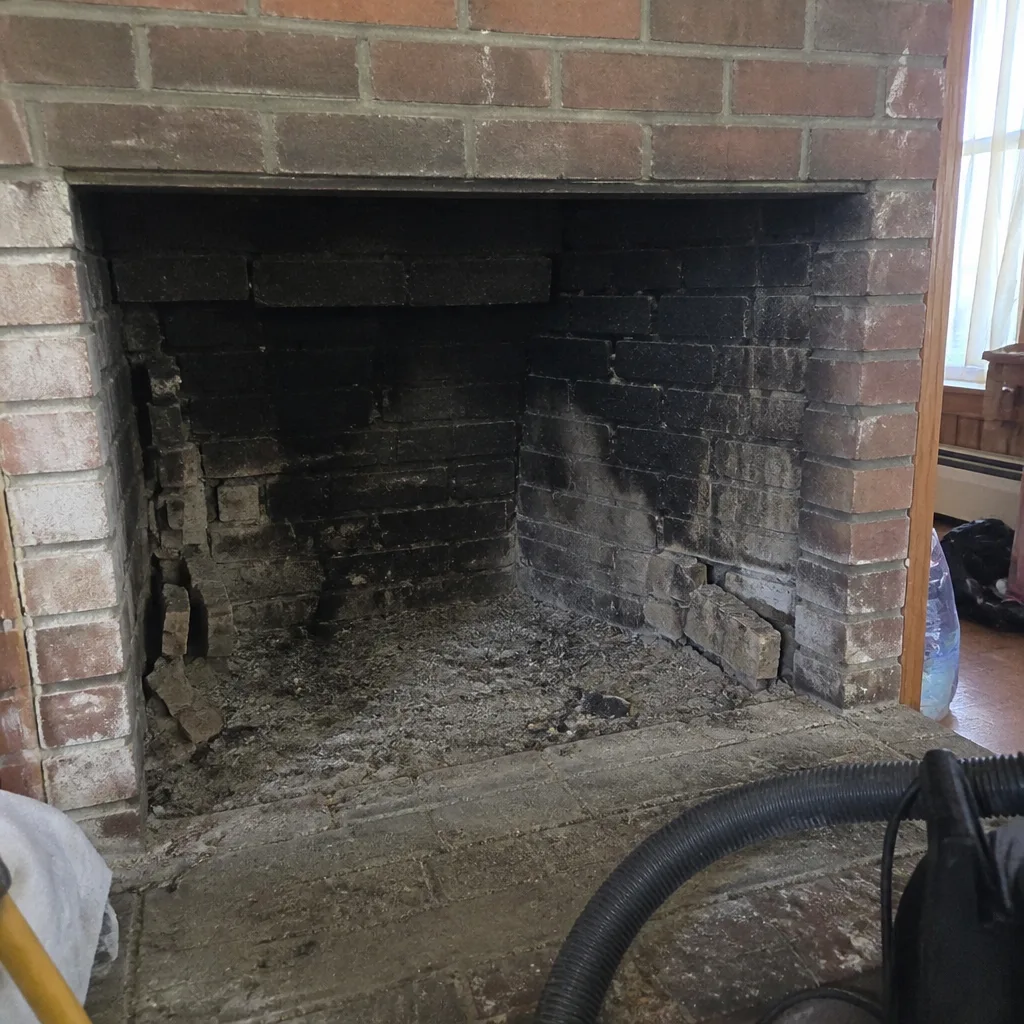 Before
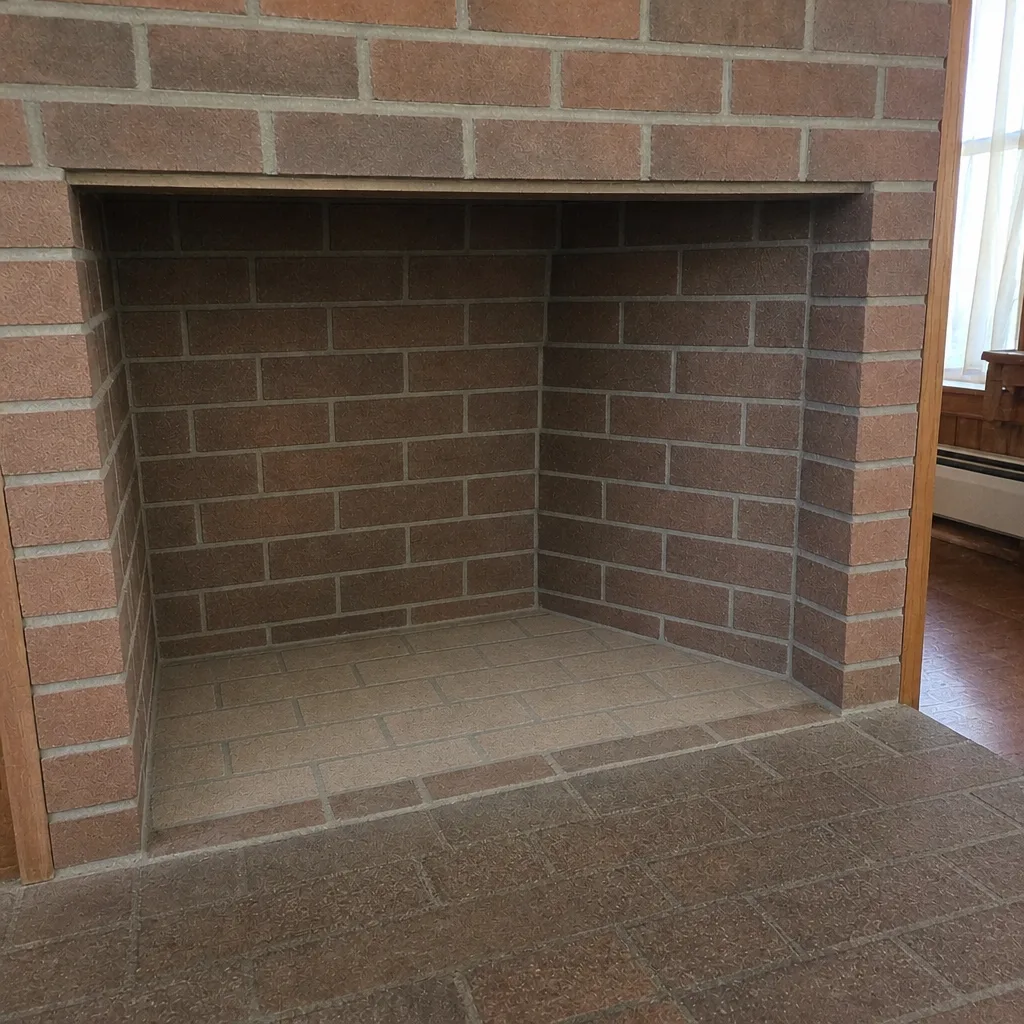 After
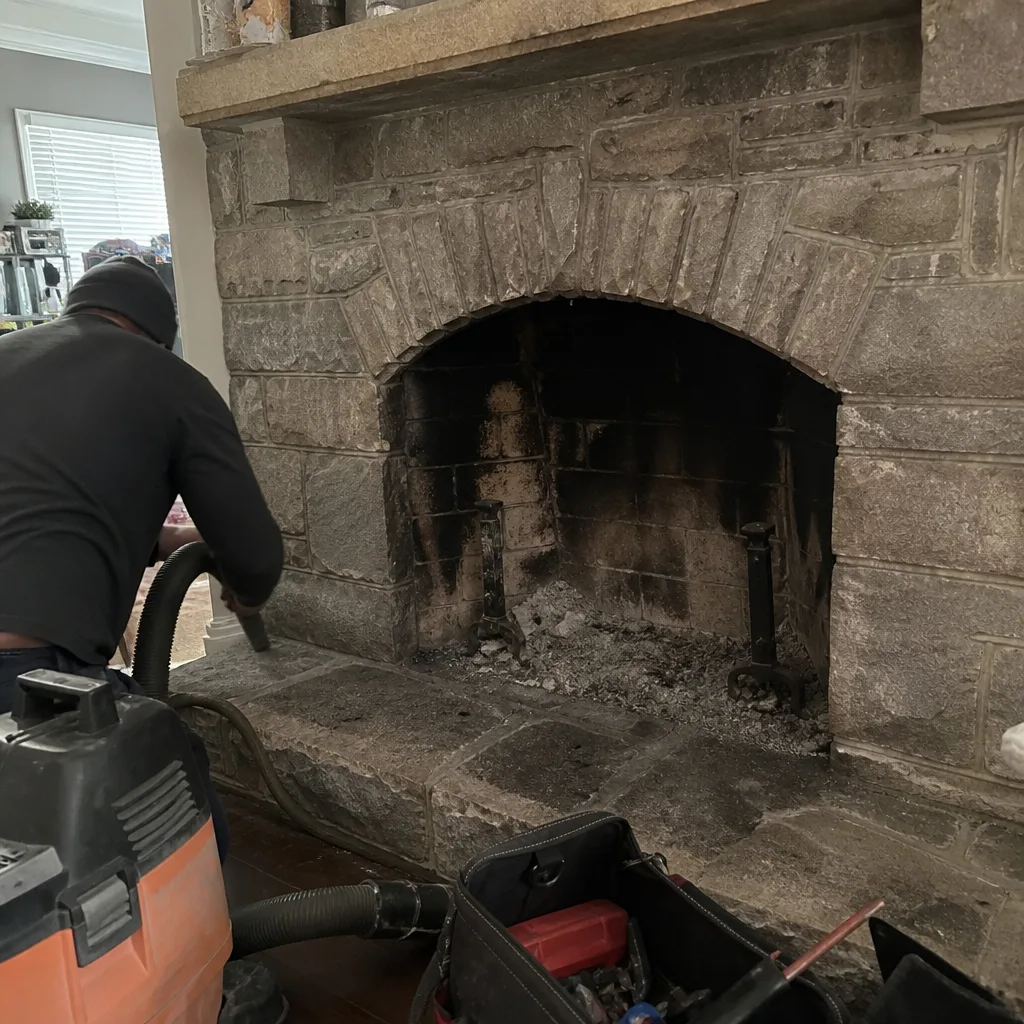 Before
 After
 Before
 After