
Last updated November 24, 2026
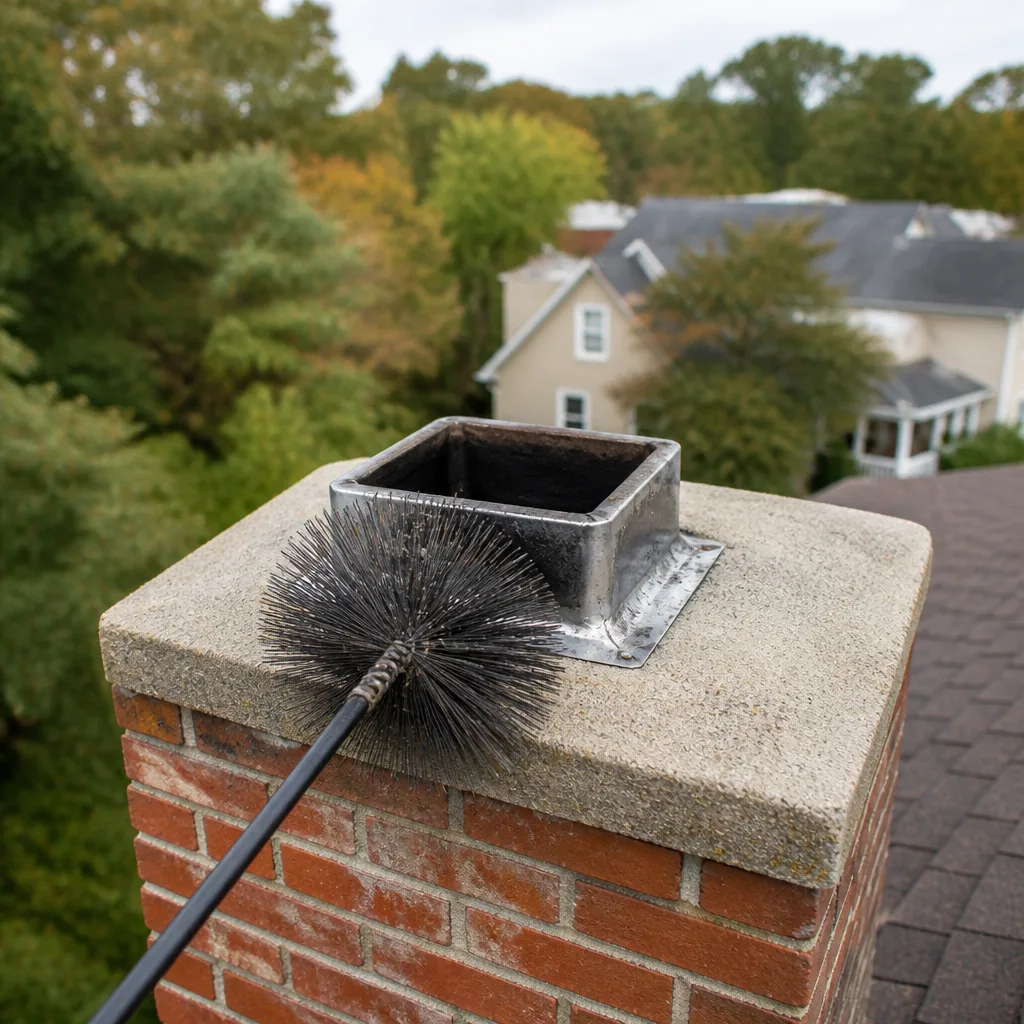 Sweep & inspection
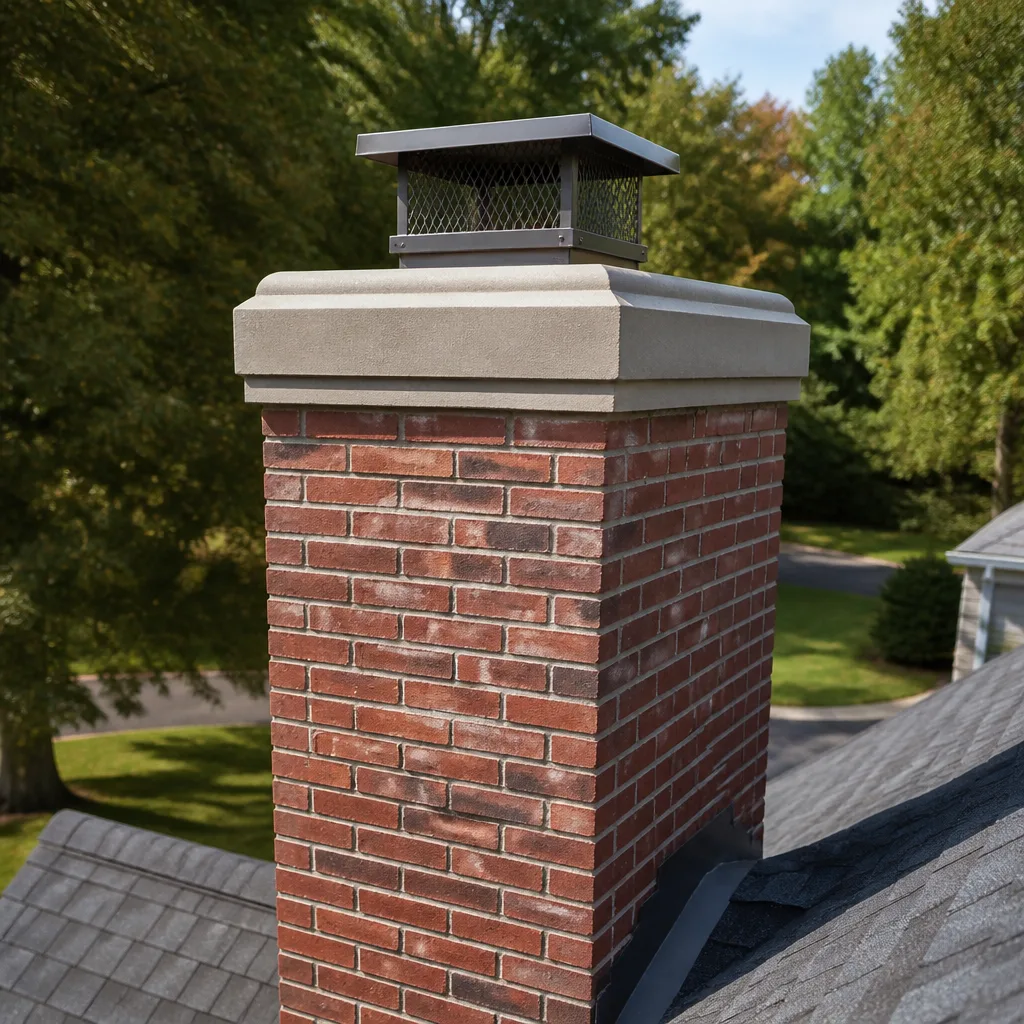 Caps & crowns
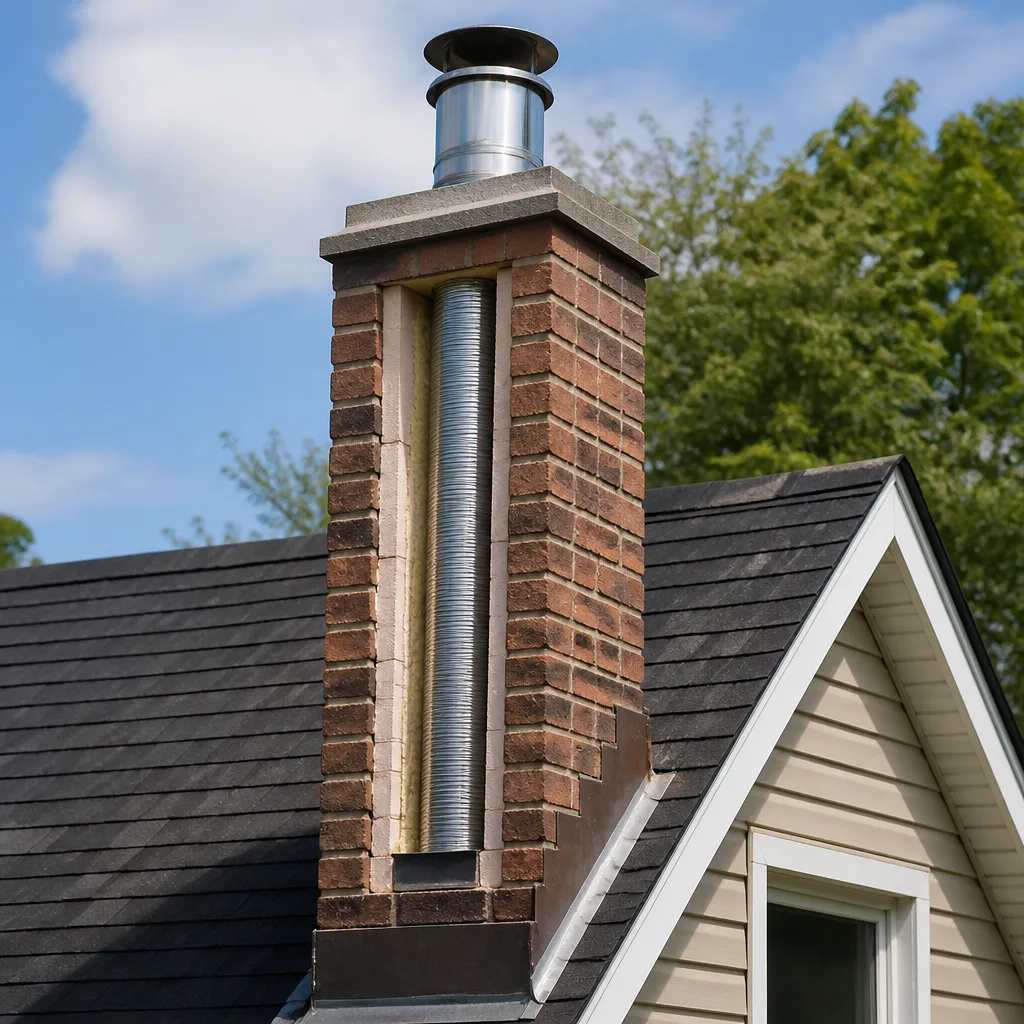 Flue relining
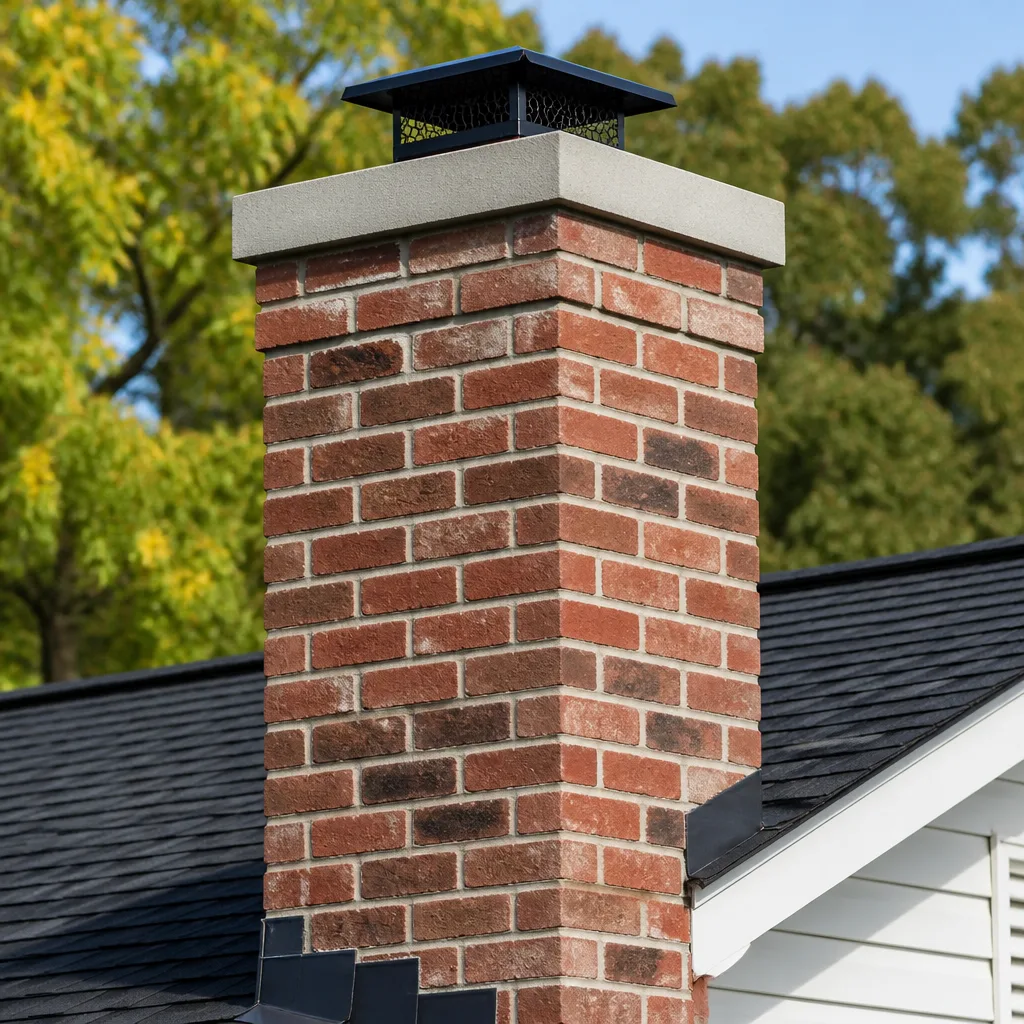 Masonry repair
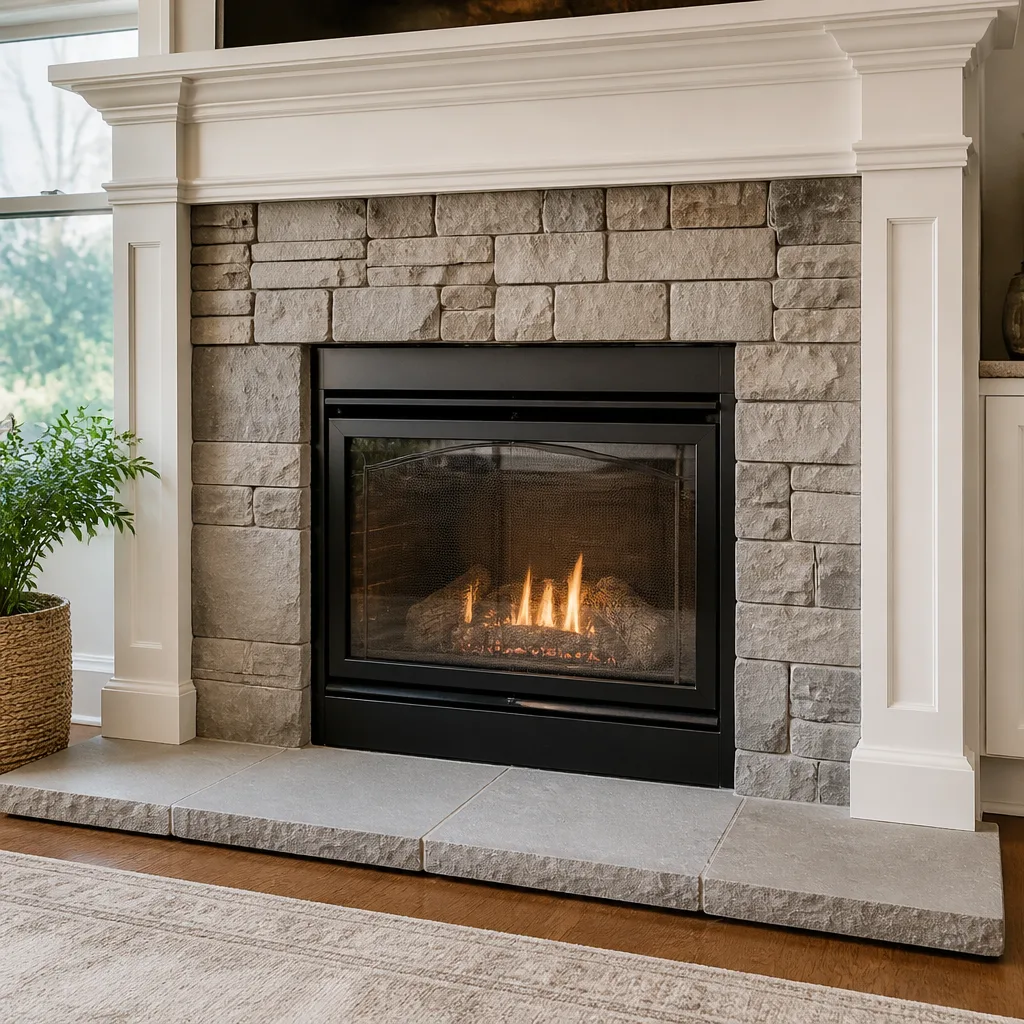 Gas fireplace service
Level 1 sweep and inspection to the NFPA 211 annual standard - flue, crown, cap, and flashing checked and photographed
Chimney sweep logs do not sweep chimneys. They loosen some creosote - which then falls where a brush and vacuum still have to collect it.
Chimney Cleaning Cost Breakdown: The Irving Park Homeowner’s Reference for 2026
A $99 sweep special and a $350 cleaning with inspection aren’t two prices for the same job. They’re two different jobs that happen to share a name. One is a brush down the flue and a wave on the way out. The other is a documented look at your entire chimney system, from firebox to crown, with photos you can actually see. When Irving Park homeowners compare quotes, they often compare the cheapest line of one against the full price of another and walk away confused about which is fair. This reference breaks down what each line item on a chimney quote actually buys: the sweep, the inspection, the camera work, the report, and the repair allowances that turn a cleaning into a project. By the end, you’ll know how to read a quote for what’s missing, not just what it totals.
Quick Answer
Chimney cleaning in Irving Park typically runs $150 to $300 for a standard wood-burning fireplace when the job includes a basic inspection and a written report. Gas inserts and prefab fireplaces usually land at the lower end, while tall flues, heavy creosote, or added camera inspection push toward $300 to $450. The written estimate sets the final price, and any repair found during the sweep is quoted separately before work begins.
Styles & brands we work with
- Sweep & inspection
- Caps & crowns
- Flue relining
- Masonry repair
- Gas fireplace service
Table of Contents
- Why chimney cleaning prices in Irving Park vary so much
- What a base cleaning price actually includes
- Camera inspection, written reports, and the add-ons that change the total
- How liner condition reshapes the total project cost
- Material cost transparency: HeatShield, DuraFlex, and generic substitutes
- How to read a chimney quote and spot what’s missing
- 2026 pricing benchmarks by chimney type
- How often to budget for a sweep in Irving Park
Why chimney cleaning prices in Irving Park vary so much
Three forces drive the spread in Irving Park cleaning prices, and none of them is pure profit margin. The first is scope. A sweep that covers only the flue is a shorter job than one that also pulls the firebox apart, checks the damper, mounts the roof, and confirms the crown isn’t cracked. The second is documentation. A photo report and written inspection add time and labor that a cash-and-go sweep doesn’t carry. The third is what the technician is authorized to find. A company set up only to sweep will sweep. A company set up to sweep, inspect, and repair will flag what it sees because it can actually fix it.
That third point matters more than it sounds. When a sweep-only contractor finds a cracked crown or a failing flue tile, the honest options are to refer you out or say nothing. Some say nothing. That’s not always malice. It’s the shape of the business. A company that handles chimney cap & crown work and liner resurfacing has a reason to look carefully, because the inspection is the front door to work it can legitimately perform.
Irving Park homes tend to be older, and older chimneys accumulate more deferred maintenance. A flue that was built in the mid-twentieth century and never relined has a different baseline than a modern prefab unit installed a decade ago. The quote has to reflect what’s actually there, not a flat rate pulled from a pricing sheet.
One more factor: creosote load. Light, sooty buildup brushes out quickly. Glazed, tar-like creosote takes longer, more passes, and often a chemical agent, and it’s also the stage where a sweep should stop and talk to you about why the buildup got that heavy. A $99 price can’t absorb that time, which is why the cheap quote so often turns into a pitch for something else once the technician is on site.
What a base cleaning price actually includes
A legitimate base cleaning covers more than the flue. When we quote a sweep, the job runs through the whole system because a flue cleaned in isolation tells you nothing about the rest of the chimney. Here’s what a properly scoped base cleaning includes:
- Firebox and damper check. The firebox is cleared of ash and debris, and the damper is opened, closed, and inspected for smooth operation. A damper that sticks open is a heat loss and carbon monoxide concern.
- Flue brushing. The flue is brushed with the correct size and type of brush for the liner material, top to bottom, with a drop cloth and vacuum running to contain dust inside the home.
- Smoke chamber and shelf. The transition zone above the damper is where creosote collects and where many sweeps stop early. It gets brushed and vacuumed.
- Roof-level check. The technician mounts the roof to confirm the flue termination, cap condition, and crown. This is where structural problems first show.
- Basic visual inspection. A look at the accessible portions of the liner, firebox, and exterior, with notes on anything that needs attention.
- Debris removal. Everything swept out leaves with the technician.
If a quote describes only “brush and vacuum the flue,” you’re getting roughly two-thirds of a cleaning. The parts left out are the parts where problems live. Our chimney sweep covers the full run because half a cleaning creates a false sense of security.
What a base price typically does not include: camera inspection of the flue interior, a written inspection report with photos, minor repairs like a damper replacement or a cap re-seat, and any masonry or liner work. Those are separate line items, and a quote that folds them in without telling you is either overpriced or hiding something.
Camera inspection, written reports, and the add-ons that change the total
The single biggest swing in a chimney quote is whether camera inspection and a written report are included. These two line items are where the honest price gap between a $150 sweep and a $350 job usually lives.
Camera inspection. A flexible camera run down the flue shows the interior of the liner in real time: cracks, gaps at the tile joints, missing mortar, offset tiles, and the condition of the smoke chamber. A visual inspection from the firebox and the roof can’t see this. Cracks that open and close with temperature swings are invisible until a camera catches them. This is the difference between “the flue looks fine from here” and “the flue is fine.”
Written report with photos. A photo report is documentation. It matters if you’re buying or selling a home, if an insurer asks for proof of maintenance, or if you simply want to know what the technician saw rather than take it on faith. It also protects you from a contractor who recommends thousands in liner work you can’t verify. Every recommendation should come with a photo you can look at yourself.
Minor repairs on the spot. A loose cap, a cracked damper frame, a missing rain cover. Small fixes done during a scheduled visit avoid a second trip and a second charge. A quote that lists no repair allowance at all is telling you the company doesn’t do repairs, which means it won’t find them.
The pattern to watch for: a low base price with no camera, no report, and no repair scope. That’s a sweep, not an inspection, and it’s priced as one. The homeowner reads the low number, books it, and later discovers the chimney needed a $1,800 reline that the sweep wasn’t structured to catch. The $99 wasn’t a bargain. It was a partial job.
How liner condition reshapes the total project cost
Cleaning rarely stays cleaning once a camera goes down the flue. The liner is the part of the chimney that either keeps combustion gases inside the flue or lets them into the structure, and its condition determines whether your project ends at the sweep or continues into repair.
When cleaning alone is the whole job: the liner is sound, the joints are tight, the smoke chamber is intact, the crown is sealed, and the creosote load is light to moderate. This is the common case for a chimney that’s been swept on a regular schedule and used with dry, seasoned wood.
When a sweep reveals resurfacing work: the smoke chamber has rough, corbelled masonry that catches creosote and can’t be cleaned effectively. HeatShield resurfacing smooths it to a cleanable surface. This is a repair-grade product, not a DIY patch, and applying it correctly takes a trained hand.
When a sweep reveals a reline need: the clay tile liner has cracked, spalled, or separated at the joints, or a previous owner vented a gas appliance into a flue sized for wood. A flexible stainless liner system like DuraFlex brings the flue back into service with the right diameter and a continuous, sealed interior.
We can’t tell you which category your chimney falls into until we see the inside of it. That’s why we inspect before we recommend, and why the recommendation should come with camera evidence. If the liner is intact, we say so and the cleaning stands alone. If it isn’t, the quote for repair is a separate conversation with its own written estimate.
One local note: Irving Park winters swing between freeze and thaw, and a masonry chimney with a cracked crown absorbs water that freezes and opens the crack wider. That freeze-thaw cycle is why the crown gets so much attention in a proper inspection, even when the flue itself is clean. Water damage to a chimney rarely announces itself. It shows up as a spalled brick or a rusted damper frame after a few seasons.
Material cost transparency: HeatShield, DuraFlex, and generic substitutes
The materials on a chimney quote tell you a lot about how long the repair will last. This is the part of the cost breakdown most quotes leave vague, and it’s worth understanding before you sign.
- HeatShield chimney resurfacing. A repair-grade product applied to the smoke chamber and flue to create a smooth, sealed surface over deteriorated masonry. It’s not available through retail or DIY channels, and applying it correctly requires training and the right equipment. Companies that don’t carry it will often quote a tear-out and rebuild instead, which costs far more and isn’t always necessary.
- DuraFlex flexible liner systems. The industry-standard flexible stainless liner used by professional chimney contractors. A properly sized DuraFlex liner is a continuous, sealed path from the appliance to the top of the flue, and it holds up to the heat and acidic condensate that wood and gas appliances produce.
- Generic liners and off-brand caps. Cheaper, and often the reason a repair needs replacing in a shorter window. A generic cap that doesn’t fit the flue correctly chokes airflow or lets water in, and an undersized liner on a wood appliance builds creosote faster.
- Caps and components from recognized supply lines. Gelco and Famco caps, Olympia Chimney and Copperfield components. The right cap for your flue, sized and fitted to the actual termination, not pulled off a hardware-store peg.
The price difference between a professional-grade liner and a generic one is real, and so is the difference in service life. When you compare two quotes and one is significantly cheaper on the liner line, ask what product the company is installing. If the answer is vague, that vagueness is the discount.
We work with DuraFlex, HeatShield, Gelco, Olympia Chimney, Famco, and Copperfield because those are the names professional chimney contractors across the country rely on. That isn’t a marketing point. It’s what determines whether your repair holds through the next ten Irving Park winters or needs replacing in four.
How to read a chimney quote and spot what’s missing
Most homeowners read a chimney quote from the bottom up. Total first, then whether it feels high. The better approach is to read it top-down and check for what isn’t there. Here’s a step-by-step way to do it:
- Confirm the scope in writing. The quote should say whether it’s cleaning only, cleaning plus inspection, or a repair. “Chimney service” is not a scope.
- Look for the inspection line. If camera inspection and a written report are absent, the quote is for a sweep. That’s fine, but know what you’re buying.
- Check the materials by name. A liner quote that says “stainless liner” without a product name is a quote you can’t compare against another. DuraFlex is a name. So is HeatShield. Generic is generic. Ask.
- Ask what the cap and crown scope covers. A quote that lists a cap but not crown inspection is leaving the top of the chimney unaddressed, and the crown is where water gets in.
- See whether repair is in scope or referred out. A company that sweeps but doesn’t repair will either miss problems or hand you off. Either way, you’re managing two contractors instead of one.
- Read the fine print for what triggers extra charges. Heavy creosote, tall flues, and difficult roof access are legitimate adders. They should be stated, not sprung on you after the technician arrives.
- Get the estimate in writing before work starts. The written estimate sets the final price. Verbal quotes and “we’ll see when we get up there” are not estimates.
The cleanest quotes are the most specific ones. Every line names a task, a product, or a scope boundary. If a quote has three lines and a total, it’s not a breakdown. It’s a number looking for a yes.
2026 pricing benchmarks by chimney type
These are typical estimated ranges for Irving Park in 2026. They’re a reference for comparing quotes, not a binding price. The written estimate sets the final price, and every job is quoted on what’s actually in the chimney.
| Job type | Typical estimated range | What drives the number |
|---|---|---|
| Standard wood-burning cleaning | $150 – $300 | Flue height, creosote load, roof access |
| Cleaning with camera inspection and written report | $300 – $450 | Camera run, photo documentation, report format |
| Gas insert cleaning and inspection | $150 – $250 | Vent type, accessibility, service history |
| Prefab fireplace cleaning | $150 – $250 | Flue configuration, cap condition |
| Heavy creosote removal (glazed) | $350 – $600 | Creosote stage, chemical treatment, passes required |
These ranges assume a straightforward job. A chimney with a failed crown, a separated liner, or a firebox needing fireplace repair moves into a different project category, and those repairs get their own written estimate. We don’t fold repair into a cleaning quote because the two are separate decisions, and you should get to make each one on its own evidence.
How often to budget for a sweep in Irving Park
A chimney used regularly should be swept once a year. That’s the baseline most chimney professionals recommend, and it’s based on the simple reality that creosote accumulates at a rate you can’t see from the firebox. A chimney used a few times a season can go longer, but an annual inspection still makes sense because the liner, crown, and cap deteriorate whether the fireplace is lit or not.
The timing that matters in Irving Park is seasonal, not hourly. The goal is to have the chimney inspected and swept before burning season, not after. A chimney that gets checked in early fall has time to address a liner problem before the first cold weekend, when every sweep in the area is booked and a repair takes a week. A chimney that gets checked in January runs into the season with a problem it didn’t know it had.
Two signs you shouldn’t wait for the annual schedule:
- Smoke rolling back into the room. A flue that used to draw and now doesn’t is telling you something changed. Blockage, a cracked flue, or a cap problem are all candidates.
- Creosote smell in warm weather. That smoky odor in July is creosote off-gassing. It means there’s enough buildup to notice, and it’s the stage where scheduled cleaning prevents a bigger problem.
Carbon monoxide is the reason the schedule matters even for gas appliances. A gas insert vents combustion gases through the same flue infrastructure, and a blocked or damaged flue can send those gases into the home. That’s not a scare line. It’s the reason gas appliance chimneys get inspected on the same schedule as wood ones.
Common Mistakes to Avoid
- Booking the cheapest quote without reading the scope. A $99 sweep and a $300 inspection-included cleaning are different jobs. Comparing them on price alone is comparing a flue brush against a whole-system look.
- Skipping the camera because the chimney looks fine. Flue cracks at the tile joints are invisible from the firebox and from the roof. A visual check confirms the outside of the chimney, not the inside of the flue.
- Letting a sweep-only contractor talk you out of an inspection. A company that doesn’t do repairs has no reason to find them. Get the inspection anyway, and get it documented.
- Approving liner work without seeing the photo. In Irving Park, the figure that shows up in a lot of quotes is a reline the homeowner can’t verify. Ask for the camera image of the failed section before you approve anything.
- Putting off a crown repair until it’s a masonry job. A cracked crown is a small fix. A cracked crown that’s been through two freeze-thaw winters is a rebuild.
- Burning unseasoned wood and expecting the sweep to fix it. Wet wood builds creosote faster, and no cleaning schedule outruns bad fuel. Season your wood before it goes in the firebox.
- Treating a gas insert like it doesn’t need inspection. Gas appliances vent through the chimney too. The flue condition matters just as much as it does for wood.
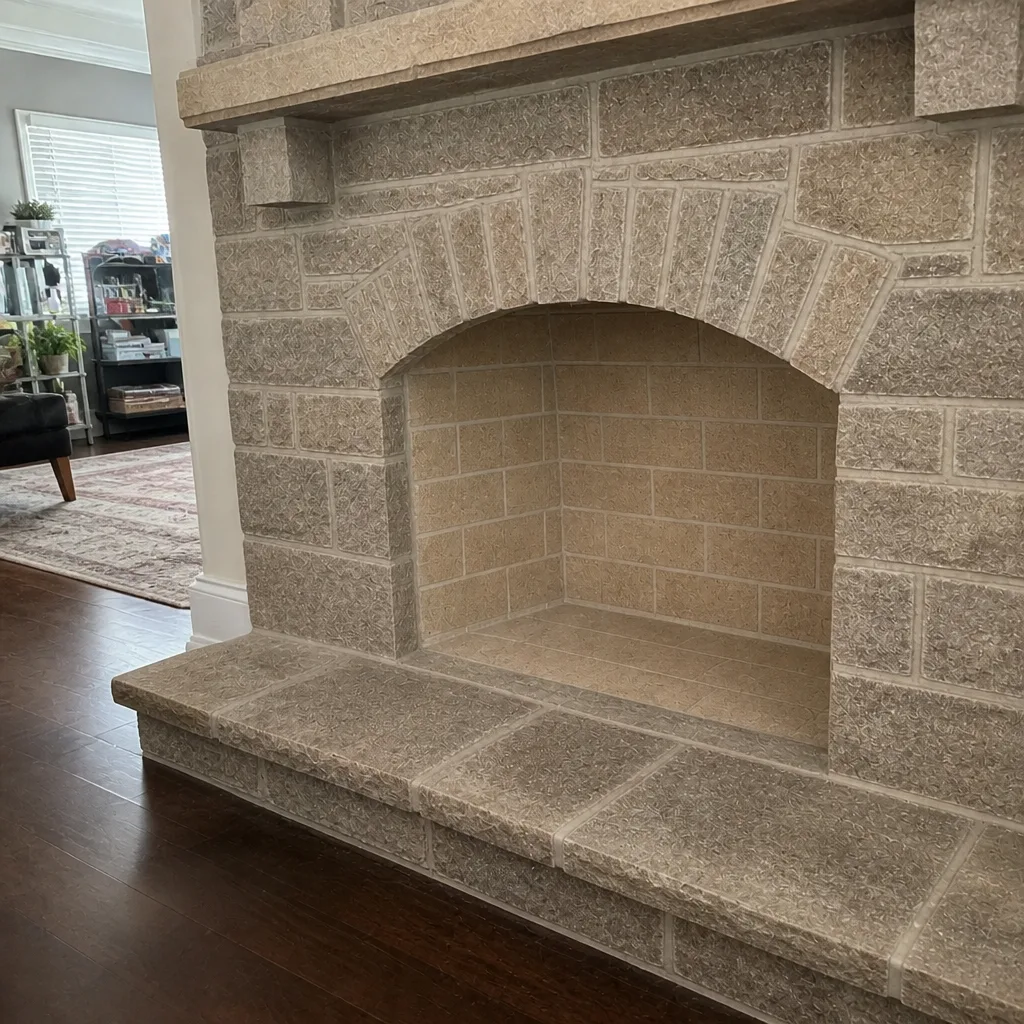
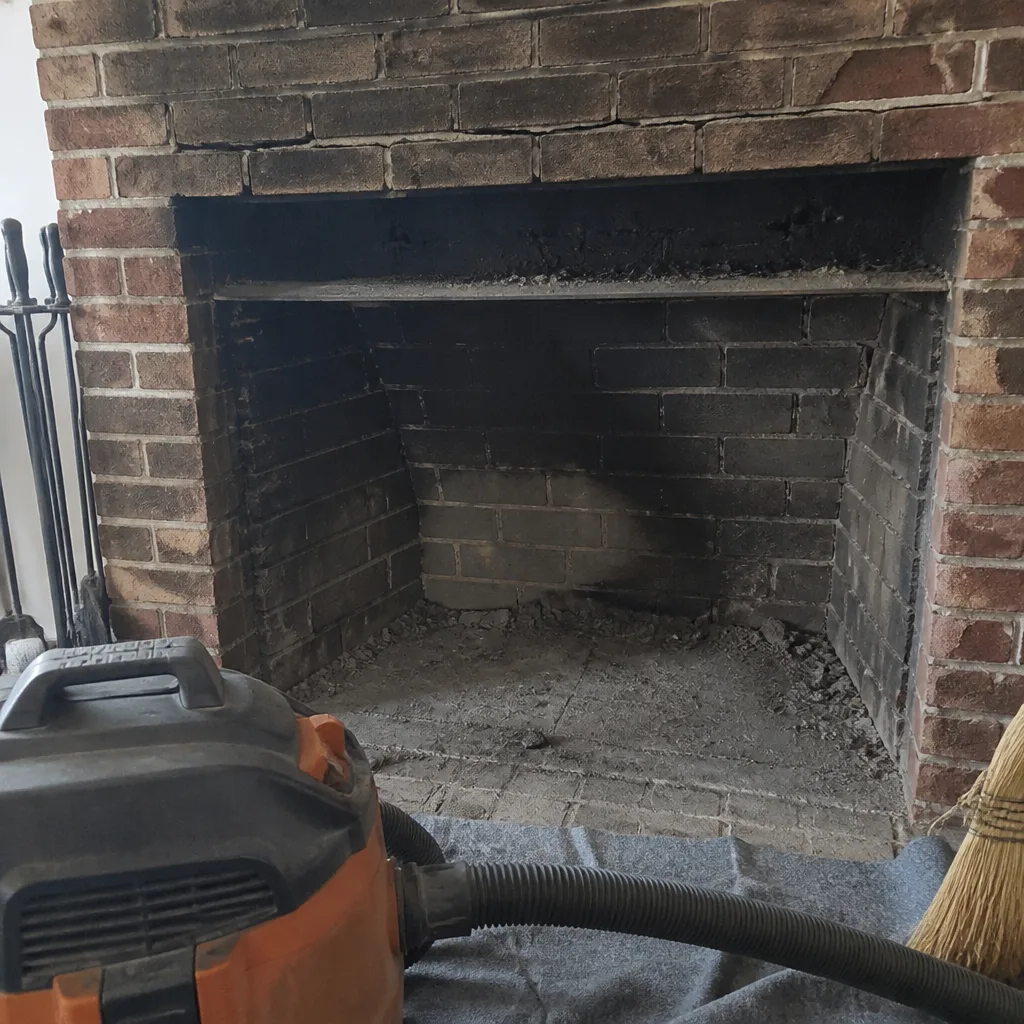
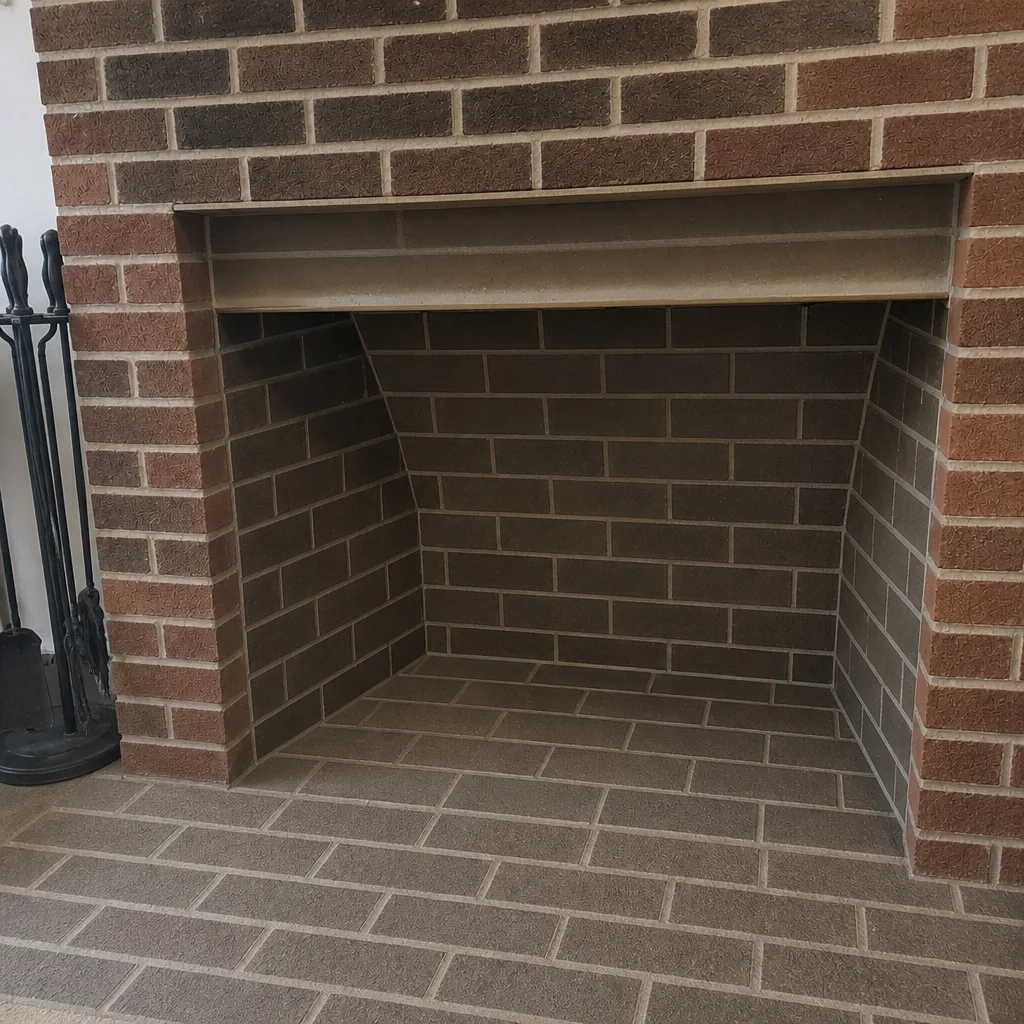
See the difference
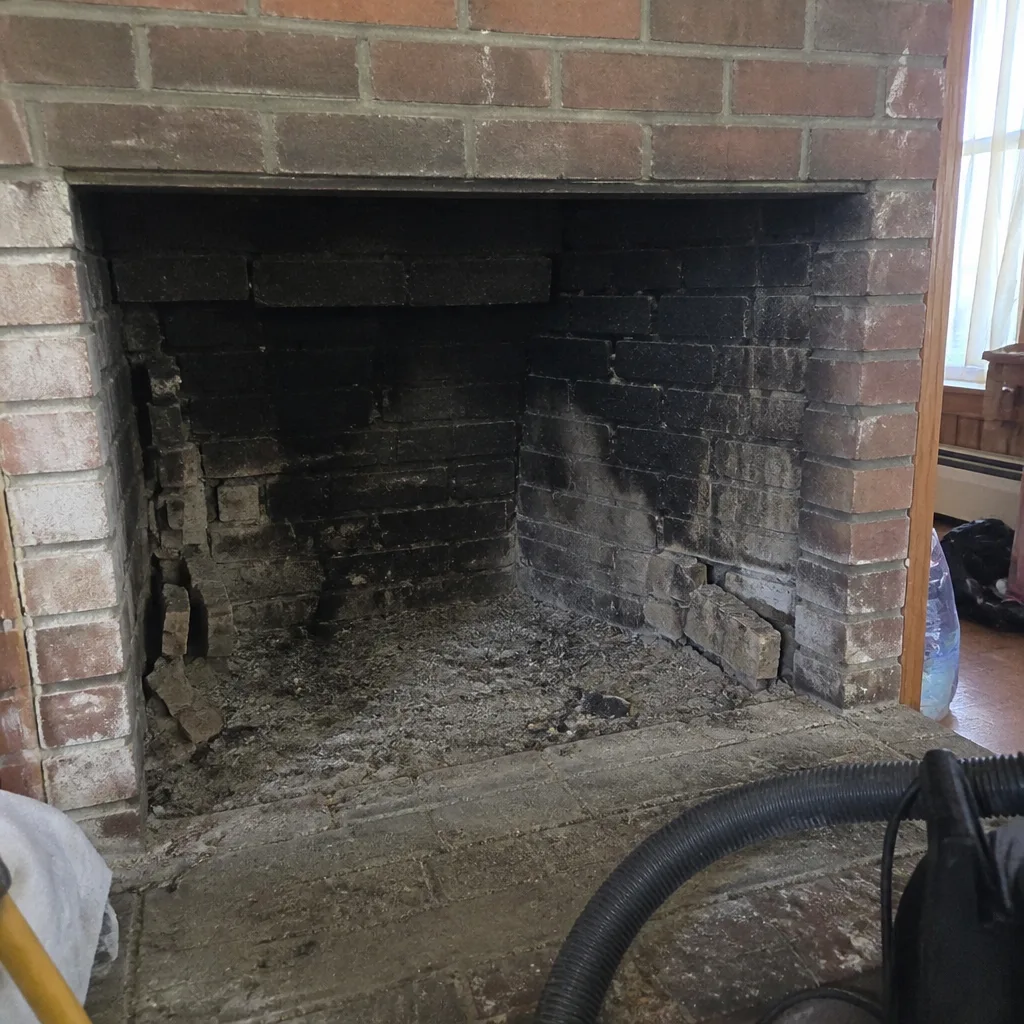 Before
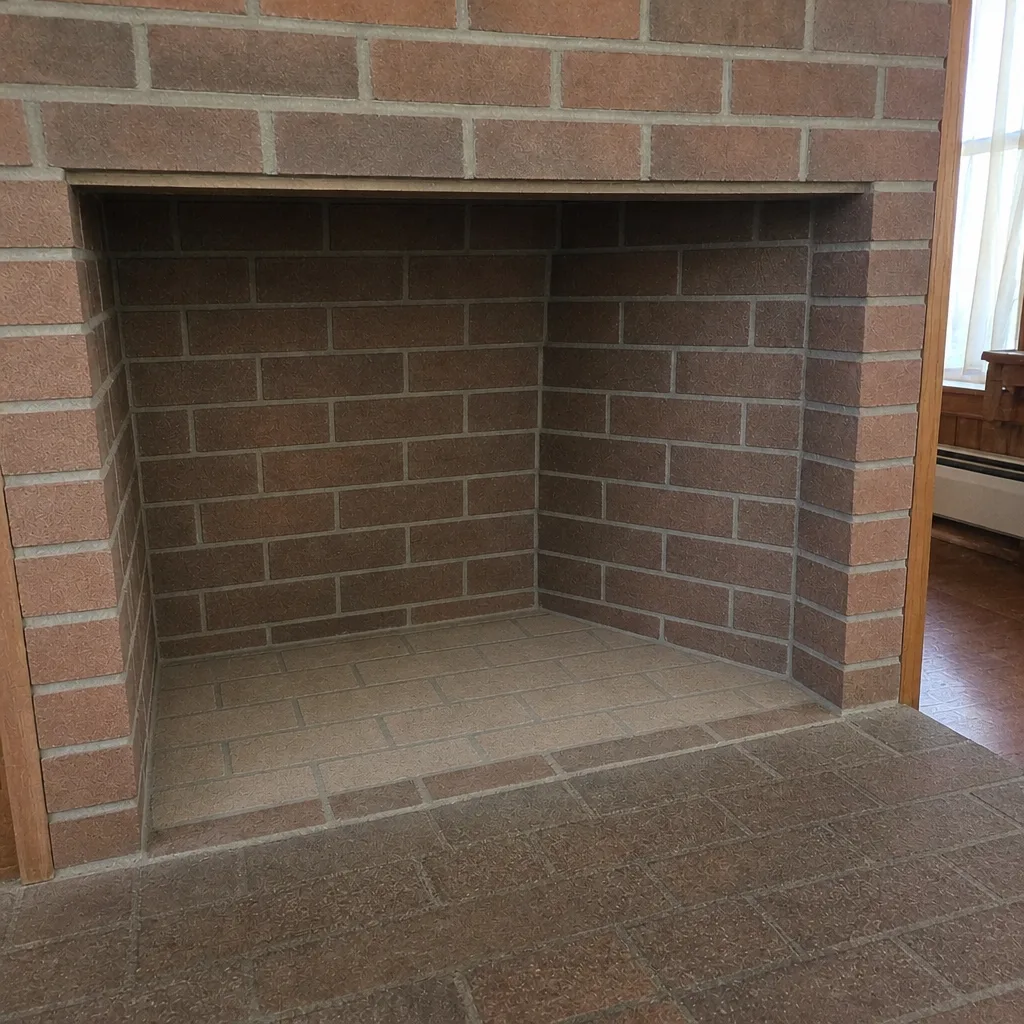 After
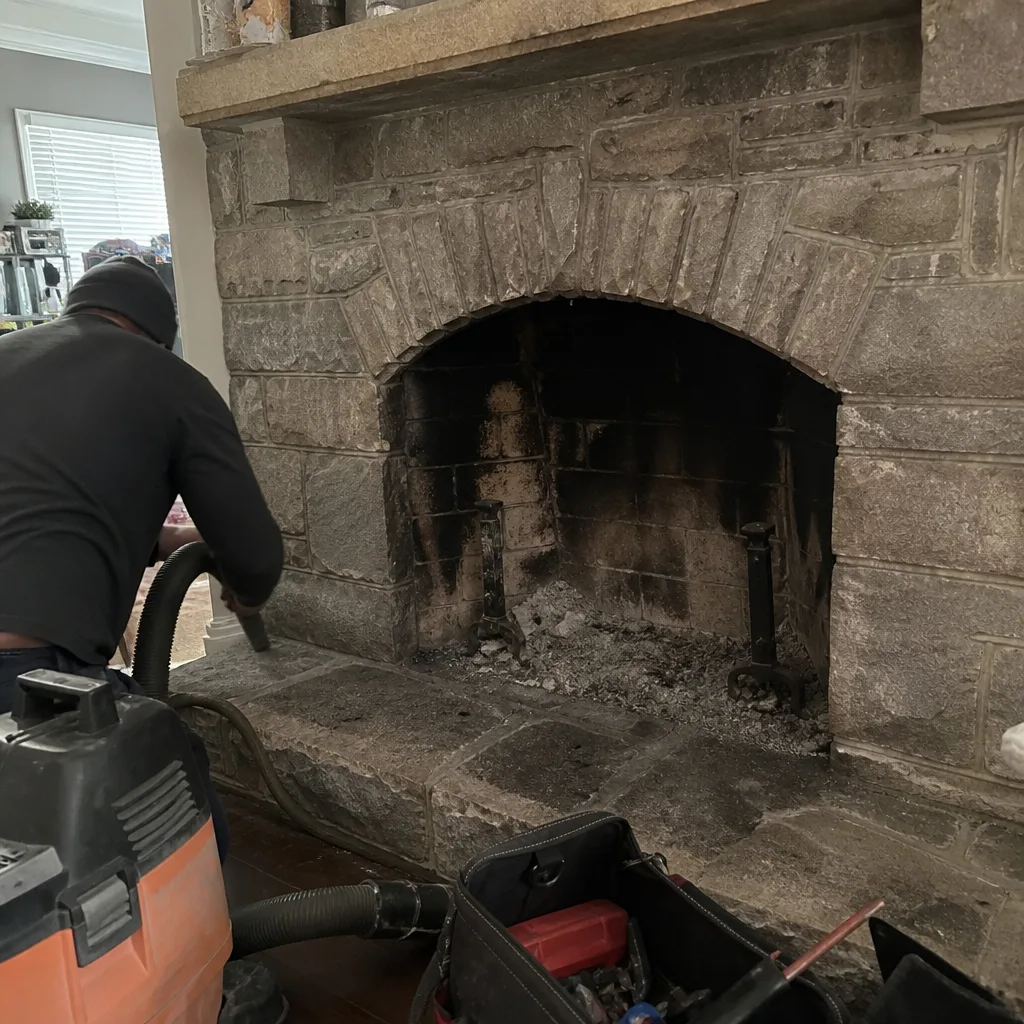 Before
 After
 Before
 After
When to Call a Professional
Call a professional when you’re booking the annual sweep before burning season, when you’ve just bought a home and want the chimney documented, when smoke or odor suggests something has changed inside the flue, or when a previous quote included repair work you couldn’t verify and want a second look with camera evidence. Call one company that handles the whole system rather than three that each handle a piece, so the sweep, the inspection, and any repair come from the same contractor with the same record. And call before the first cold weekend, not after it, when the schedule fills and a repair takes longer. Chimney Sweep Irving Park offers free estimates in Irving Park. Call (844) 625-7370.
Frequently Asked Questions
A standard wood-burning chimney cleaning in Irving Park typically runs $150 to $300 when it includes a basic inspection, and $300 to $450 with camera inspection and a written report. Gas insert and prefab cleanings usually land at the lower end. The written estimate sets the final price. Call (844) 625-7370 for an exact quote. Estimates are free.
They’re different jobs. The $99 quote is a flue brush and a vacuum. The $350 quote usually includes camera inspection, a written photo report, and a scope that lets the company find and fix problems. The low price isn’t a discount on the high one. It’s a shorter scope, and it leaves out the parts where problems show up. Call (844) 625-7370 to talk through what your chimney actually needs.
Sometimes it’s a real need and sometimes it isn’t, and the only way to know is the camera evidence. A failed liner shows cracks, gaps, or separated joints on the camera run, and that image should be shown to you before you approve anything. If the liner is intact, we say so and the cleaning stands alone. Call (844) 625-7370 and ask for the photo.
Once a year for a regularly used fireplace, and that’s the schedule to budget for. A chimney used a few times a season can go longer, but an annual inspection still makes sense because the crown, cap, and liner age whether the fireplace is lit. The urgency is seasonal: get it done before burning season, not after. Call (844) 625-7370 to book before the fall schedule fills.
Creosote keeps accumulating, and heavier creosote is harder to remove and more of a chimney fire concern. The liner and crown also keep deteriorating out of sight, and a small crown crack becomes a rebuild over a few freeze-thaw winters. Skipping a year is a repair bill pushed down the road. Call (844) 625-7370 for an inspection and find out where things actually stand.
A written report is a photo-documented record of what the technician found: the liner condition from the camera run, the smoke chamber, the firebox and damper, the cap and crown, and any recommended repair with the evidence for it. It’s useful for a real estate transaction, an insurance review, or just knowing what’s in your chimney. Call (844) 625-7370 to schedule an inspection as a standalone service.
The Bottom Line
A chimney cleaning quote is only as useful as its scope. The $99 sweep and the $350 inspection-included cleaning aren’t competing prices for the same work. One is a brush, the other is a documented look at the whole system, and the gap between them is camera time, a written report, and a company set up to find and fix what a sweep-only outfit would miss. Read every quote top-down, check what’s missing, ask for the product names, and ask for the photo before you approve liner work. The written estimate sets the final price, and the best read on your chimney is the one with evidence behind it. From the firebox to the crown, we inspect before we recommend, and we’re here to help you understand what you’re paying for.
Call (844) 625-7370 for a free estimate. We answer 24/7. Fast dispatch from 7am to 7pm, Sunday through Friday. Closed Saturday.
Our technicians have up to 8 years of experience.
For the full picture of what we do across the neighborhood, start at Chimney Sweep Irving Park.
Written by the team at Chimney Sweep Irving Park.