
Last updated November 24, 2026
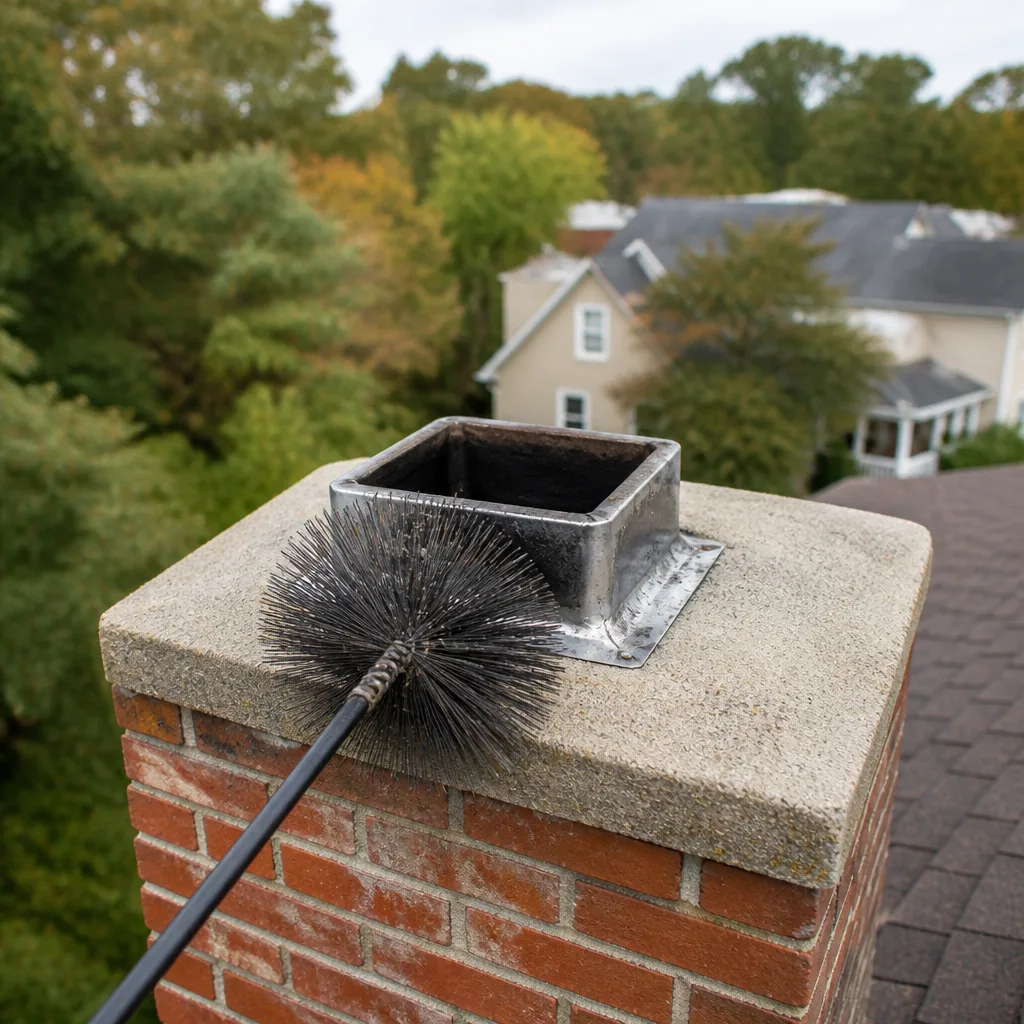 Sweep & inspection
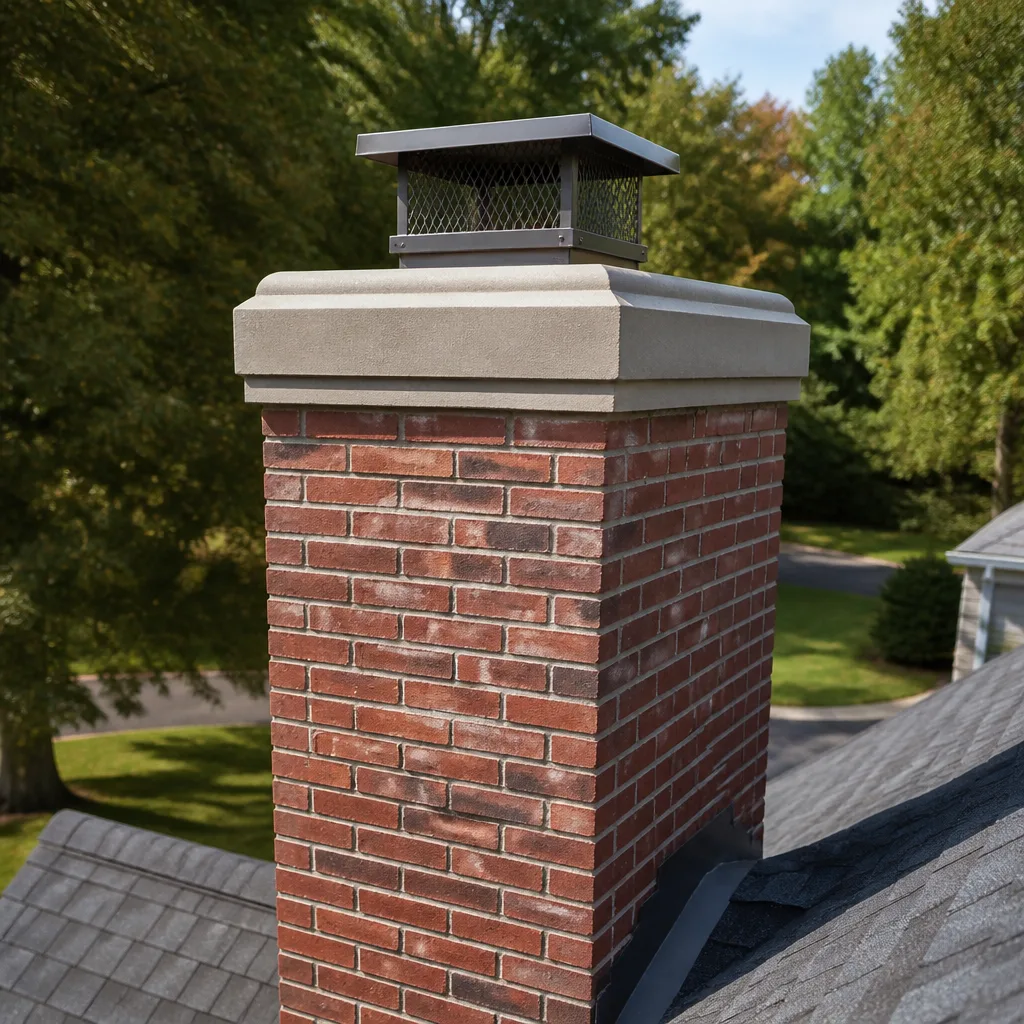 Caps & crowns
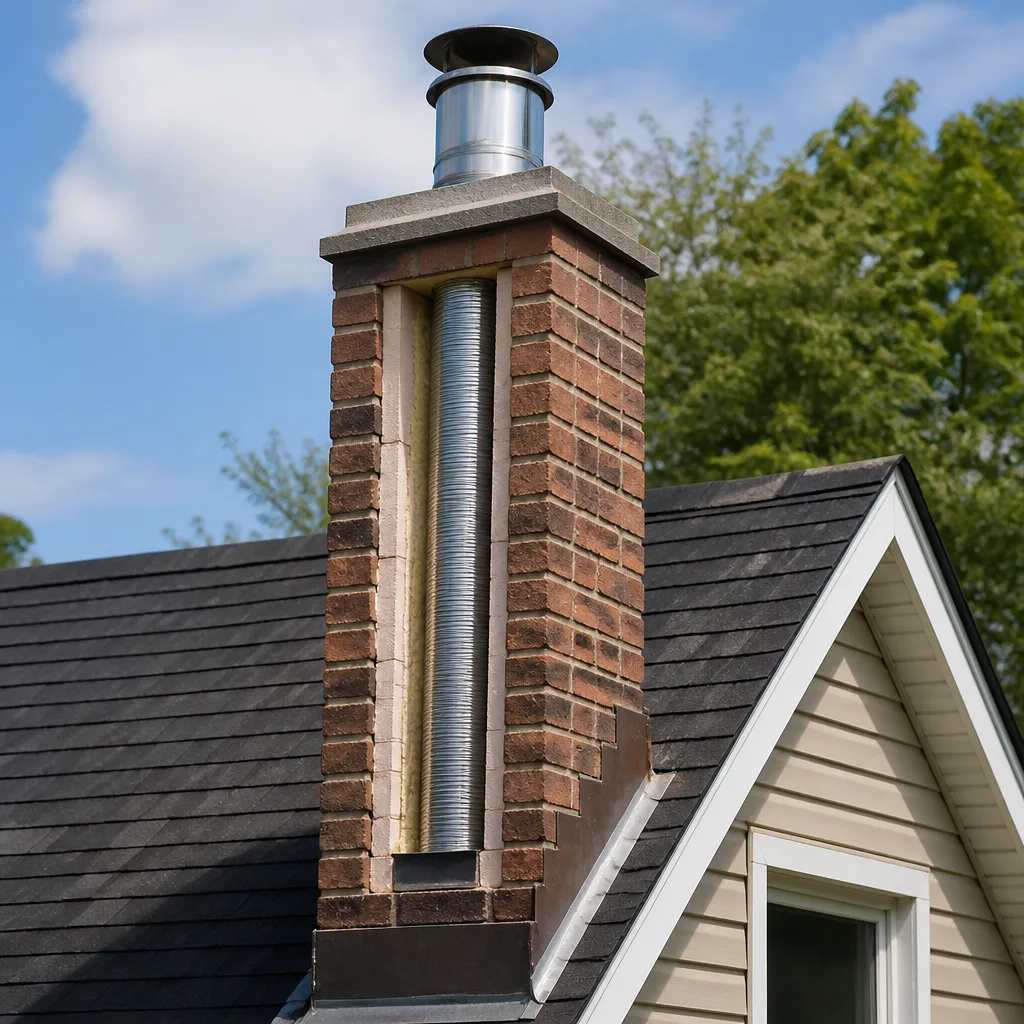 Flue relining
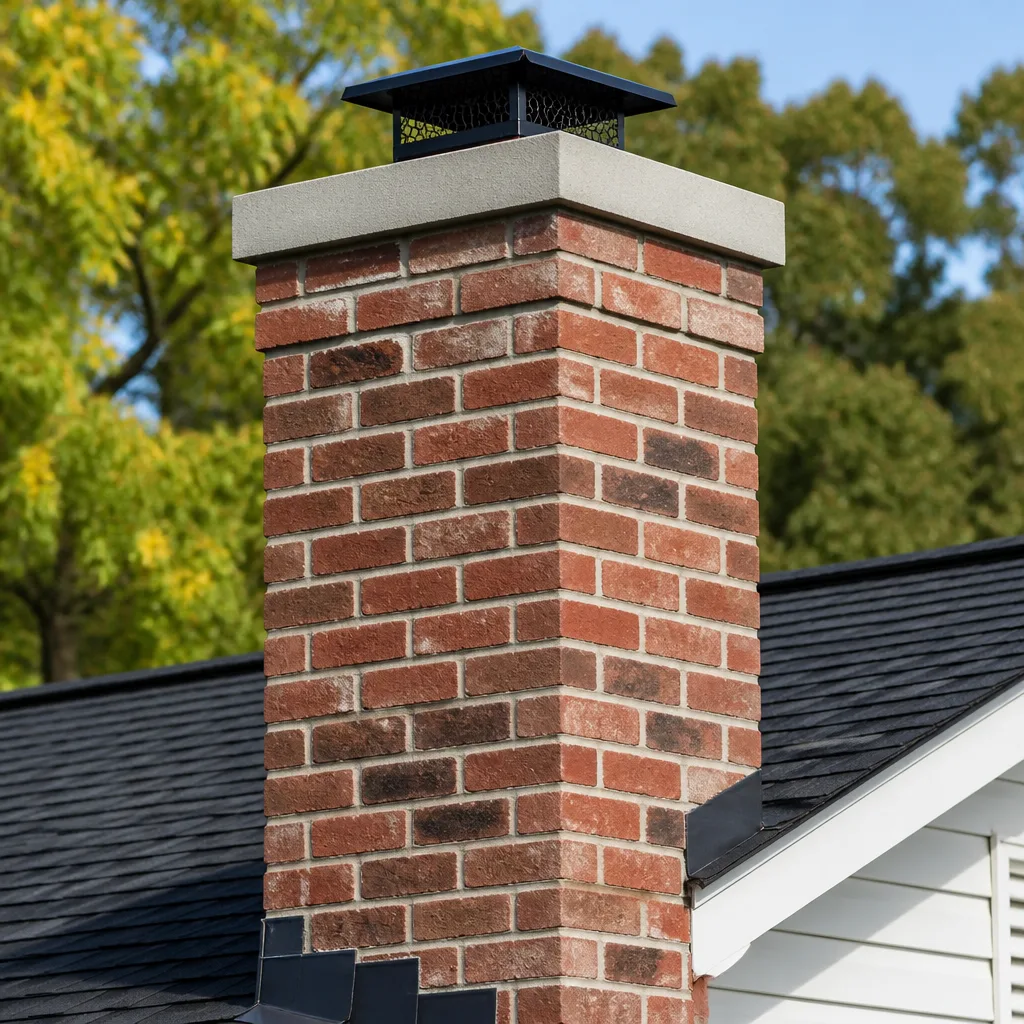 Masonry repair
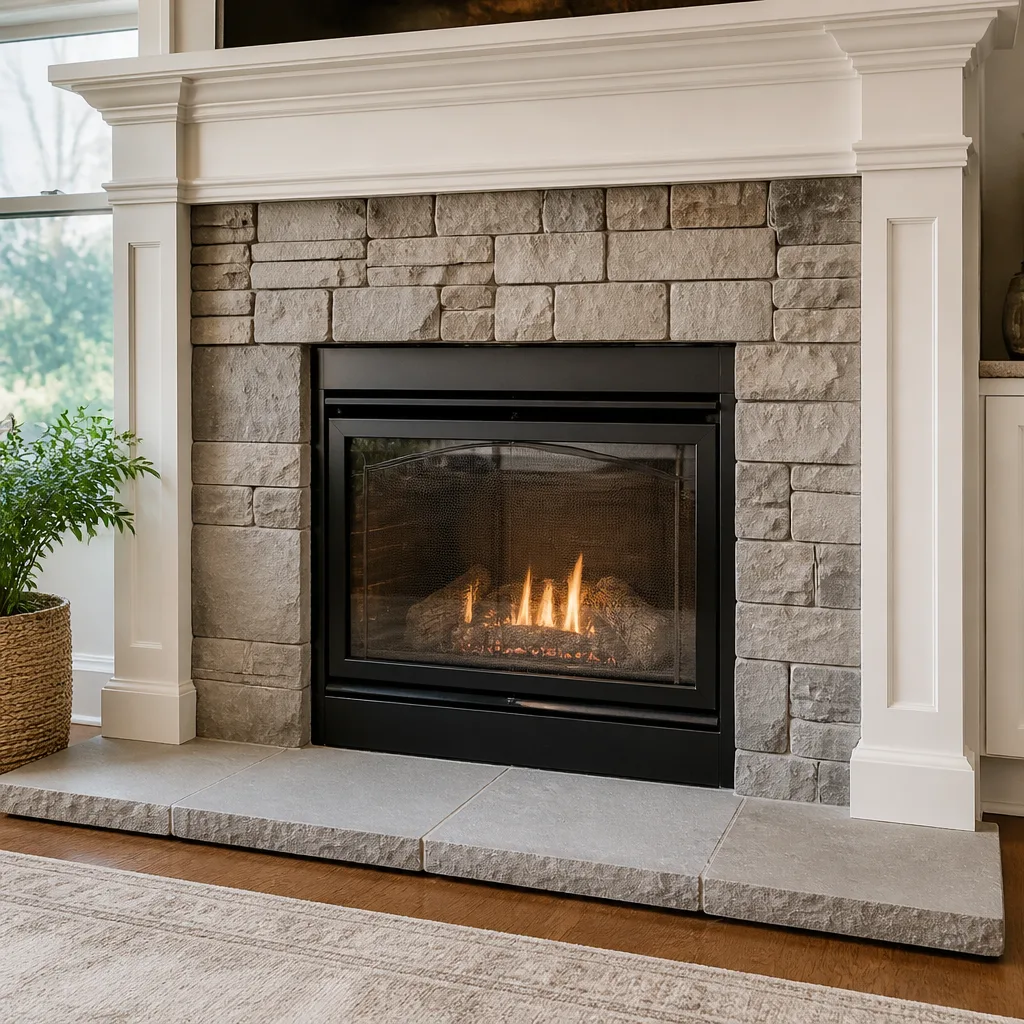 Gas fireplace service
Level 1 sweep and inspection to the NFPA 211 annual standard - flue, crown, cap, and flashing checked and photographed
Chimney sweep logs do not sweep chimneys. They loosen some creosote - which then falls where a brush and vacuum still have to collect it.
Seasonal Chimney Cleaning Care for Irving Park: Year-Round Homeowner’s Guide
Most chimney advice you’ll read is written for a generic American house, and it usually boils down to one instruction: book a sweep before winter. That advice misses what actually happens to a chimney in Irving Park. Late summer is when Irving Park chimneys develop the moisture and nesting conditions that make fall cleaning take twice as long, and almost no one schedules service until October, when the line is long and the diagnosis is rushed. A chimney is a system reacting to the NC Piedmont’s humid summers, wet springs, and freeze-thaw winters every month of the year, not just the ones when a fire is burning. This guide walks through what each season does to the components of your chimney, what to check and when, and why timing your service around real conditions beats timing it around the calendar.
Quick Answer
Chimney care in Irving Park works best on a seasonal rhythm: inspect and seal in spring before summer humidity moves in, address nesting and moisture in late summer before the burning season, sweep and document in early fall, and watch for winter freeze damage to the crown in late winter. The single most valuable timing change most homeowners can make is scheduling their annual sweep in August or early September rather than October.
Styles & brands we work with
- Sweep & inspection
- Caps & crowns
- Flue relining
- Masonry repair
- Gas fireplace service
Table of Contents
- Why Irving Park Chimneys Age by Season, Not by Calendar
- Late Summer: The Window Most Homeowners Miss
- Fall: Sweeping, Inspection, and the Case for Booking Early
- Winter: What Freeze-Thaw Does to a Crown
- Spring: Sealing Out the Humidity Before It Starts
- The Year-Round Case for Gas Fireplace Chimney Service
- A Simple Irving Park Seasonal Schedule
- Why Material Choice Changes How a Chimney Ages
Why Irving Park Chimneys Age by Season, Not by Calendar
Irving Park sits in the North Carolina Piedmont, and that geography drives a specific pattern of wear that a homeowner in a dry climate or a mountain climate simply doesn’t see. Piedmont summers run humid, with long stretches of high dew point that keep masonry and metal components damp for days at a time. Winters are cold enough to freeze, but often warm enough between cold snaps to thaw, then freeze again. That freeze-thaw cycle is the quiet engine of most chimney damage in Irving Park, and it happens on the crown and the top of the flue more than anywhere else.
Here’s what that means in practice. A hairline crack in a masonry crown, the concrete cap at the top of the chimney, is not a problem in July. It’s a minor blemish. Then the fall rains soak into it, the first hard freeze expands the trapped water, and by February that hairline has become a real fissure. Water works its way down behind the crown, into the brick and mortar below, and eventually into the flue itself. That’s how a small top-of-chimney issue becomes a structural repair project, and it’s why seasonal timing matters more than the number of sweeps you book.
The other reason seasons matter here: Irving Park has a lot of older housing stock, and older chimneys were often built with materials and methods that react strongly to moisture. Soft brick, lime mortar, and older clay flue tiles all absorb water readily. In a climate with humid summers and freezes in winter, that absorbed water is the single largest driver of long-term chimney deterioration. We’ve seen how much difference it makes when a homeowner understands the water story, because most chimney money is spent on water damage, not on creosote.
So this guide is organized around a premise: your chimney is experiencing something every season, even when it isn’t experiencing fire. The maintenance calendar should follow the conditions, not the holidays.
Late Summer: The Window Most Homeowners Miss
Late summer, roughly the weeks from early August through mid-September, is the most useful time of year to have an Irving Park chimney looked at, and it’s the time almost nobody calls. There are two reasons, and both are practical.
The first is nesting. Late summer is when birds, squirrels, and other animals look for protected cavities to build in, and an uncapped flue is exactly that kind of cavity. It’s dry, it’s drafty, and it’s out of the weather. By October, when many homeowners finally call, there’s often a nest to remove before a sweep can even start. Removing a nest isn’t difficult, but it changes the service from a simple sweep into a larger job, and it means the flue was occupied for weeks.
The second is moisture. Late summer in the Piedmont is humid, and it’s the time when masonry that absorbed spring and summer rain begins to show it. A crown that’s beginning to fail, flashing that’s pulling away from the roofline, a cap that’s no longer sitting square: all of these are easiest to see and diagnose in late summer, before the burning season and before cold weather hardens the ground and complicates roof work. Diagnosing water intrusion in August gives you a window to fix it in September, well before freezing temperatures arrive.
There’s a third, quieter benefit to booking in August or early September: it’s easier to get the appointment you want, and the inspection tends to be unhurried. The chimney trade is seasonal, and October through December is the busy stretch. When you book in late summer, you’re scheduling into a slower window, and the appointment includes time to actually look, photograph, and explain rather than to move quickly to the next house.
We recommend a simple late-summer checklist for Irving Park homeowners:
- Look at the top of your chimney from the ground with binoculars. Note any missing cap, tilted crown, or visible crack.
- Listen for animal sounds in the flue, especially in the morning and evening.
- Check your attic or ceiling near the chimney for staining after a heavy rain.
- Note whether the firebox smells musty or sour, which often points to moisture in the system.
- Schedule an inspection before the fall rush.
Fall: Sweeping, Inspection, and the Case for Booking Early
Fall is the classic chimney service season, and for good reason, but the way most homeowners approach it is backwards. The fall service should be a confirmation that the chimney is ready for the burning season, not the discovery of what’s wrong with it. When you’ve handled the late-summer inspection, the fall sweep is straightforward: remove creosote, confirm airflow, and give you a written record. When you haven’t, the fall service often turns into the discovery that a repair needs to happen before the first fire.
A chimney sweep in fall is still the right call in Irving Park. A sweep removes creosote, the tar-like residue that builds up from burning wood, and confirms that the flue is open and drafting. A proper sweep includes an inspection component, so the technician should be able to tell you what the inside and outside of the system look like, not just that it’s clean.
Here’s what a good fall appointment should include:
- A sweep of the flue appropriate to the appliance and the fuel being burned.
- A visual inspection of the firebox, damper, flue, crown, cap, and flashing.
- Photographs of anything worth your attention, so you can see what the technician sees.
- A written summary you can keep for your records or share with an insurer or a buyer.
- A clear statement of what can wait and what shouldn’t.
In Irving Park, fall also brings the first real temperature swings. Fireplaces that have sat unused for months get lit for the first time, and that’s when two things surface: a damper that’s stuck or a firebox that’s cracked. Small fireplace repair issues are much easier to handle in September than in November with a fire already loaded.
One more fall note: the chimney’s exterior is exposed to falling leaves and the first heavy rains. This is a good time to confirm that the chimney cap & crown are intact and properly fitted, because a cap that’s loose or missing causes a surprising amount of preventable trouble through the winter.
Winter: What Freeze-Thaw Does to a Crown
Winter in the NC Piedmont is not a deep freeze, and that’s exactly its character. It alternates: a cold night, then a mild afternoon, then another freeze. Every cycle of that pattern expands and contracts any water trapped in masonry. The crown, the concrete or masonry top of the chimney, is the most exposed surface on the house, and it’s the one most likely to be damaged by this cycle.
What winter damage looks like, when you check in late winter or early spring:
- Spalling: the surface of brick or concrete flaking and peeling away, leaving a rough, pitted face.
- Cracks in the crown: hairline at first, often opening up along the edge where the crown meets the flue.
- Loose or missing mortar joints: visible gaps between bricks, especially near the top of the chimney.
- Rust stains or white mineral staining: on the chimney face or nearby roof, often a sign that water has been moving through.
- A cap that no longer sits flat: caps can lift or shift in winter wind and freeze cycles.
The key point is that winter damage is easiest to fix in early spring, before the wet season starts. A crown crack that’s addressed in March with a proper resurfacing material stays a small repair. That same crack in July, after months of rain, becomes a much bigger project. This is the case for the spring inspection, and it’s why we think of spring as the real repair season, even though fall gets all the attention.
Winter is also the season when you’re actually using the fireplace, and burning habits matter. Burning dry, seasoned wood produces less creosote than burning green or wet wood. We don’t tell homeowners how to run their fireplace, but the difference in what accumulates in the flue over a winter of use is substantial. If you only remember one thing about winter: the flue is doing the hardest work of the year while the outside of the chimney is quietly deteriorating.
Spring: Sealing Out the Humidity Before It Starts
Spring is the most underrated chimney season in Irving Park, and it’s the one that most directly prevents the summer moisture problems that make fall cleaning so much harder. The goal of spring chimney care is simple: make sure water has nowhere to get in before the humid season begins.
Three tasks matter most:
- Crown sealing or resurfacing. Any crack, spall, or gap in the crown gets addressed in spring. A proper crown repair is more than a smear of sealant; the material needs to move with the masonry and resist freeze-thaw. This is where a repair-grade product matters, and it’s one of the reasons we use HeatShield resurfacing as part of our repair work. HeatShield is a repair-grade material designed for exactly this kind of chimney surface work, and it’s not something you can buy at a hardware store or apply as a DIY patch.
- Cap inspection and refitting. A cap does two jobs: it keeps water out and it keeps animals out. The right cap is matched to the flue size and the appliance, and it works with airflow rather than against it. We source Gelco and Famco caps because both make a range of fit options that let us match the flue rather than force a stock size. A loose or undersized cap in spring means water and animals all summer.
- Flashing check. Flashing is the metal that seals the chimney to the roof. It’s the most common place for water to enter a home near the chimney, and it’s visible from the roof during a spring inspection. Loose flashing in April is a ceiling stain in August.
Spring is also when a sweep and inspection naturally lead to a repair plan. If the inspection finds issues that can be addressed before the humid season, you have a comfortable window to schedule the work, and you’re not choosing between the repair and the start of the burning season. In Irving Park, that’s a meaningful advantage, because the same humid weeks that make the chimney most vulnerable are the weeks when nobody wants to think about it.
The Year-Round Case for Gas Fireplace Chimney Service
One of the most common assumptions we hear from homeowners in Irving Park is that a gas fireplace means no chimney service is needed. It doesn’t. A gas fireplace still has a flue, still has a venting system, still has a firebox and a cap, and still needs an inspection on a schedule. The service is different from a wood-burning chimney, but the need for periodic inspection doesn’t go away because the fire looks clean.
What a gas fireplace chimney actually needs:
- An annual inspection of the venting and the termination point, because gas appliances vent moisture and byproducts that can affect the metal and masonry around them.
- A check of the firebox and the components around it, since debris and even animal nesting can occur in the venting regardless of fuel type.
- A cap check, because the cap protects the vent from rain and animals exactly as it does on a wood flue.
- A periodic look at the crown and flashing, which are affected by weather, not by whether you burn wood.
The seasonal pattern for a gas fireplace is different too. Because gas venting produces more moisture than many homeowners expect, and because a gas fireplace often runs in the cooler months, the venting system is seeing regular use while the exterior of the chimney is going through the same freeze-thaw cycles as a wood-burning one. A spring or fall inspection catches anything the winter did, and gives you a clear record. The point is not to talk you into more service than you need; it’s that “we don’t burn wood” is not a reason to skip the inspection entirely. If you’re unsure, ask for an inspection and have the results explained to you before anything is recommended. We inspect before we recommend, on gas and wood fireplaces alike.
A Simple Irving Park Seasonal Schedule
Here’s a schedule you can keep on the refrigerator. It reflects what actually happens to a chimney in the NC Piedmont, not a generic national calendar.
- Early spring (March-April): Inspect the crown, cap, and flashing after winter. Schedule any crown or cap work that’s needed before humid weather. This is the best window for structural repair.
- Late spring (May-June): A final confirmation that water is sealed out for the summer. Address any remaining flashing or crown issues. Confirm the cap is fitted and working.
- Late summer (August-early September): Inspect and, if needed, sweep. Remove any animal nesting. This is the best window on the calendar for service, both in quality of diagnosis and in availability.
- Fall (September-October): A sweep if you haven’t already done one, plus a full inspection with photographs and a written summary before the burning season.
- Winter (November-February): Burn well and use the fireplace as intended. Watch the exterior for signs of drainage or staining, and note any changes for the spring check.
- Every year, regardless of fuel: an inspection, whether you burn wood or gas.
If you only do one thing on that list, do the late-summer inspection. If you do two, add the early-spring crown and cap check. Those two appointments cover the largest share of preventable chimney damage in Irving Park, and both are easier to schedule than the October rush that most homeowners join by default.
Why Material Choice Changes How a Chimney Ages
Two chimneys on the same street, in the same climate, can age very differently depending on what their components are made of and how they were installed. That’s not a sales point; it’s a practical reality of living in a climate with humid summers and freeze-thaw winters. The crown, cap, and liner are the parts that decide how quickly a chimney moves from “small issue” to “structural repair.”
A chimney liner is the inner passage the smoke and gases travel through. When a liner is damaged, cracked, or missing, the chimney can’t do its job safely, and a repair option is often a flexible liner system. We install DuraFlex liner systems because they’re an industry-standard product that professional chimney contractors across the country rely on, and because a properly specified liner fits the flue rather than approximating it. The cap and crown are the same story: precise fit and appropriate material matter more than the brand name stamped on the box. We source from professional supply lines including Olympia Chimney and prefer repair-grade materials for the surfaces that take the most weather.
The result of all this: from the firebox to the crown, the materials and the workmanship are what determine whether your chimney makes it through another Piedmont year without a project attached. We approach every job that way, whether it’s a routine sweep or a structural repair, because the same small components are what fail first in this climate.
Common Mistakes to Avoid
- Waiting until October to book. Fall is the busiest stretch of the chimney year, and the appointments are tighter and the diagnosis faster. A late-summer appointment gives you more time and a clearer look. In Irving Park, August or early September is the sweet spot.
- Treating a crack in the crown as cosmetic. It’s the smallest problem with the largest downstream cost. A crown crack lets water into the masonry, and freeze-thaw does the rest. Spring is the right time to address it.
- Skipping the inspection because you burn gas. A gas fireplace still has a flue and a venting system, and it still goes through the same weather. Inspection isn’t about creosote alone; it’s about the whole system.
- Assuming a sweep is the same as an inspection. A sweep cleans the flue. An inspection is a documented evaluation of the firebox, flue, crown, cap, and flashing. You want both, and you should get a written result.
- Using a general handyman for chimney work. Crown, cap, and liner work are specialist trades. A repair-grade material correctly applied to a properly prepared surface is very different from a patch job, and the difference shows up in the next winter.
- Ignoring a missing or loose cap. A cap failure is a two-season problem: animals in the summer, water in the winter. It’s one of the easiest things to keep ahead of in Irving Park, and one of the most commonly skipped.
- Not keeping records. A written inspection report is useful for an insurer, a real estate transaction, or your own memory of what was checked when. If it wasn’t documented, it’s hard to know what changed.
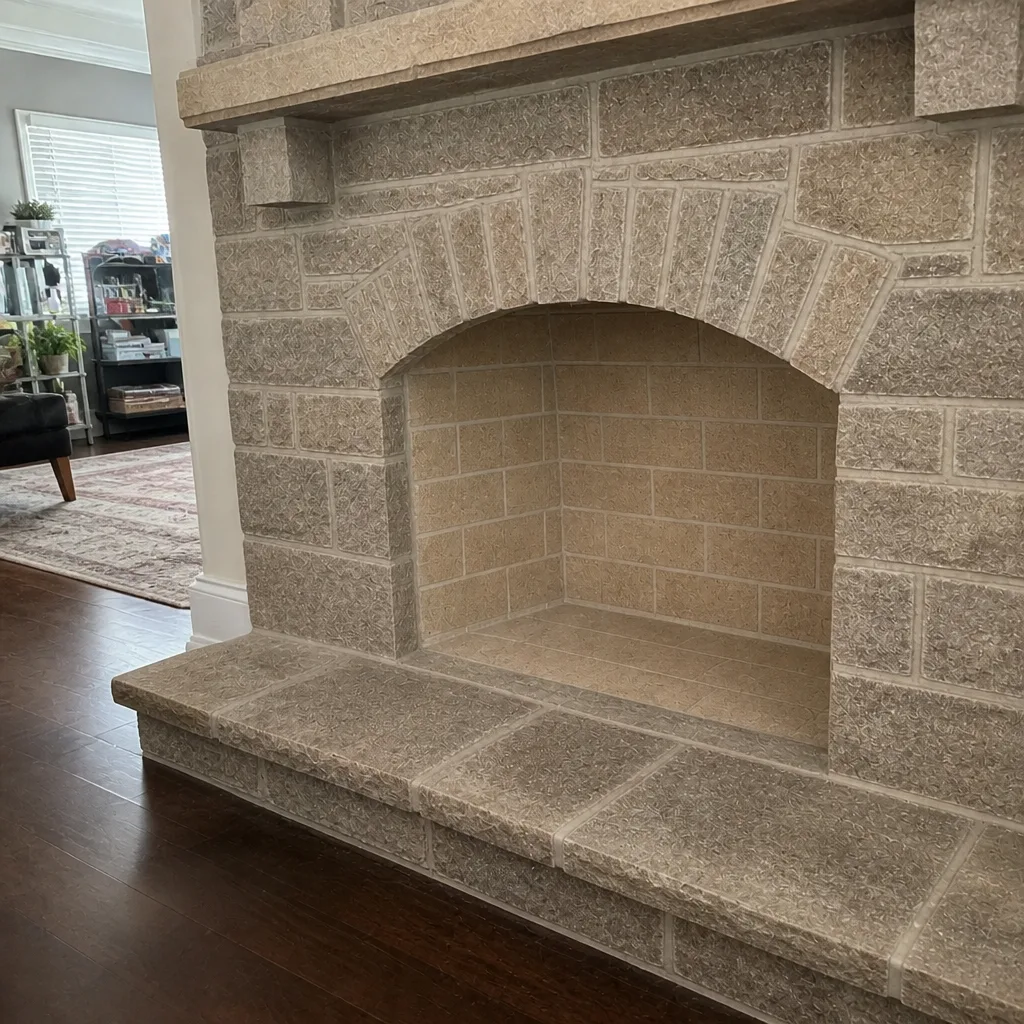
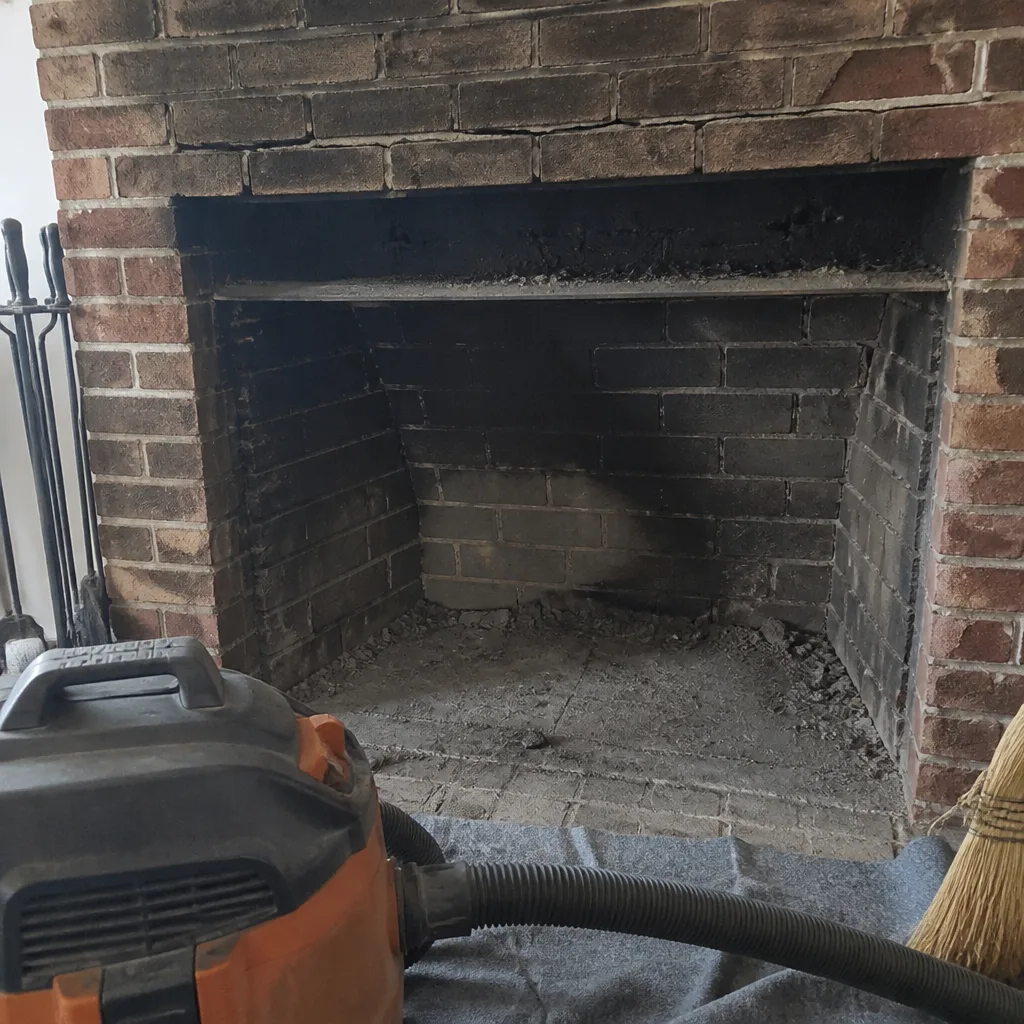
See the difference
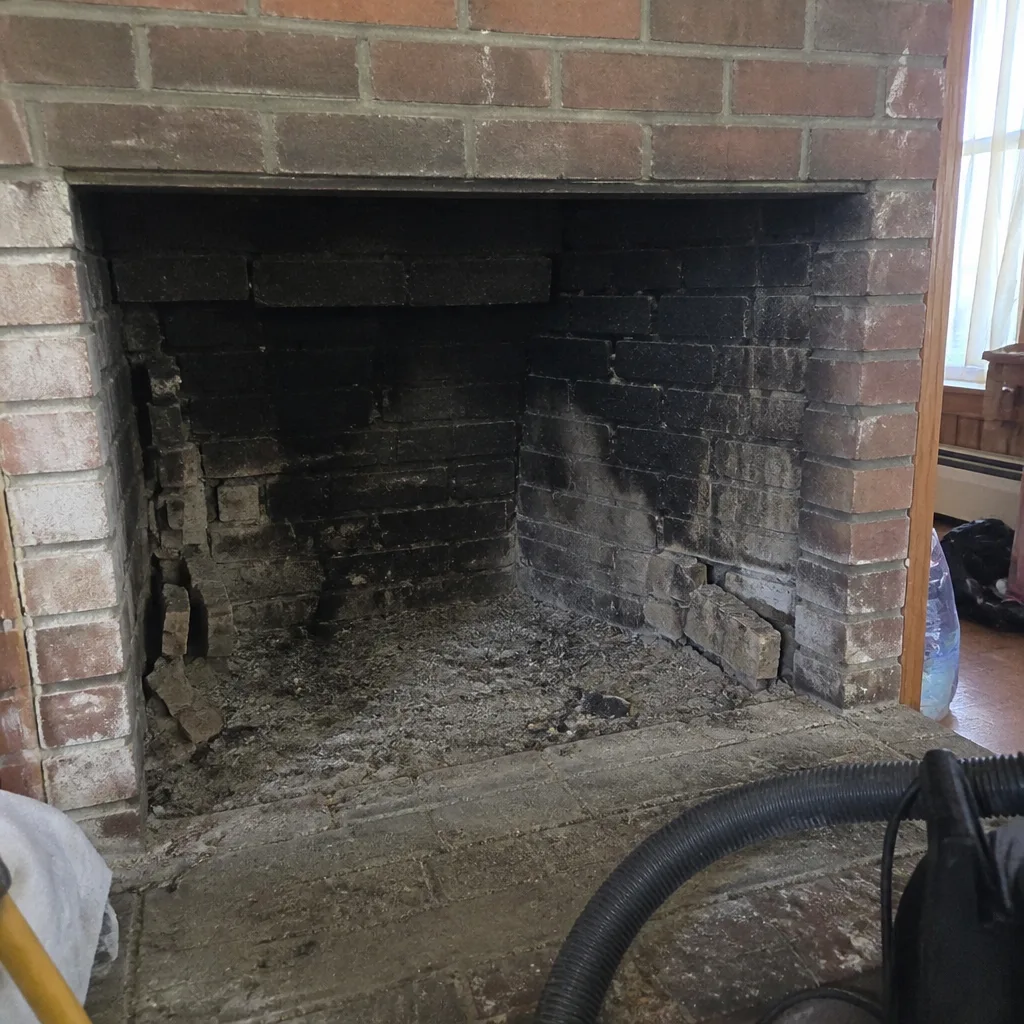 Before
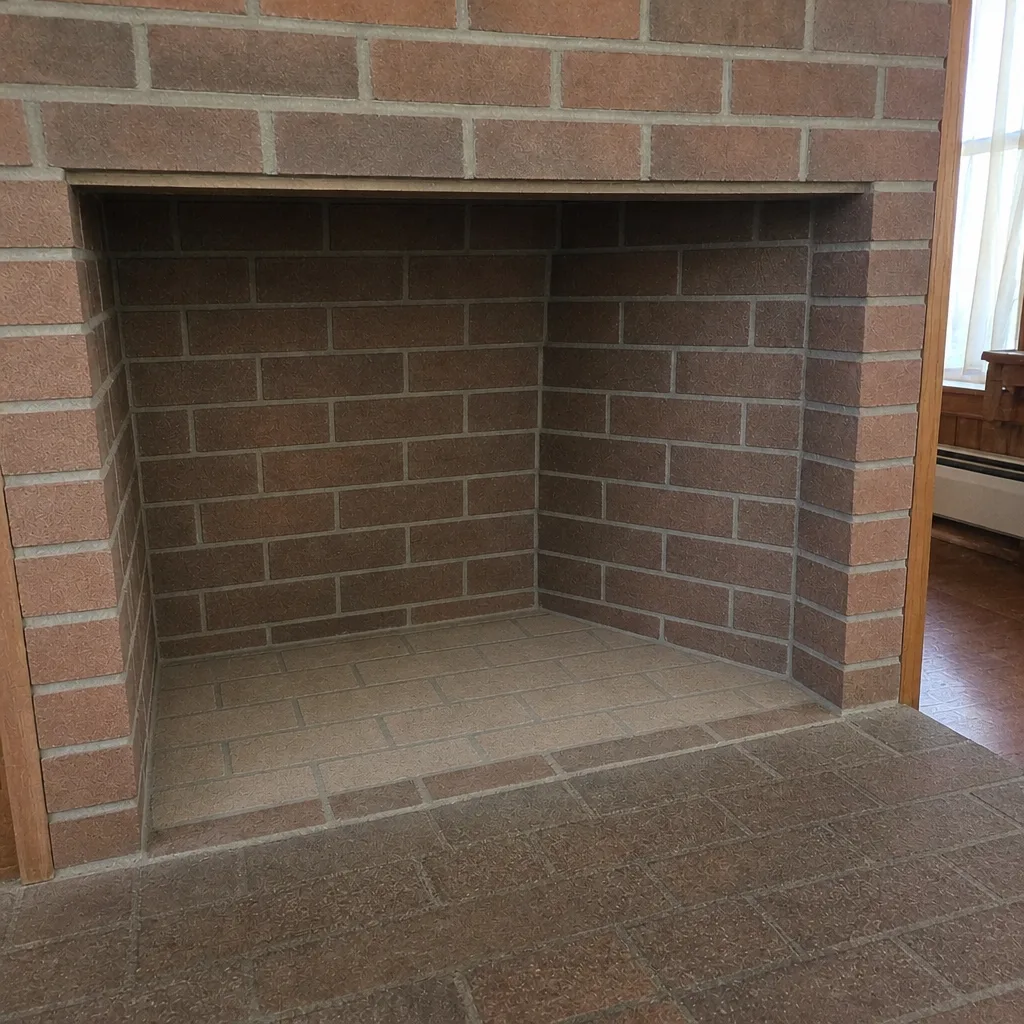 After
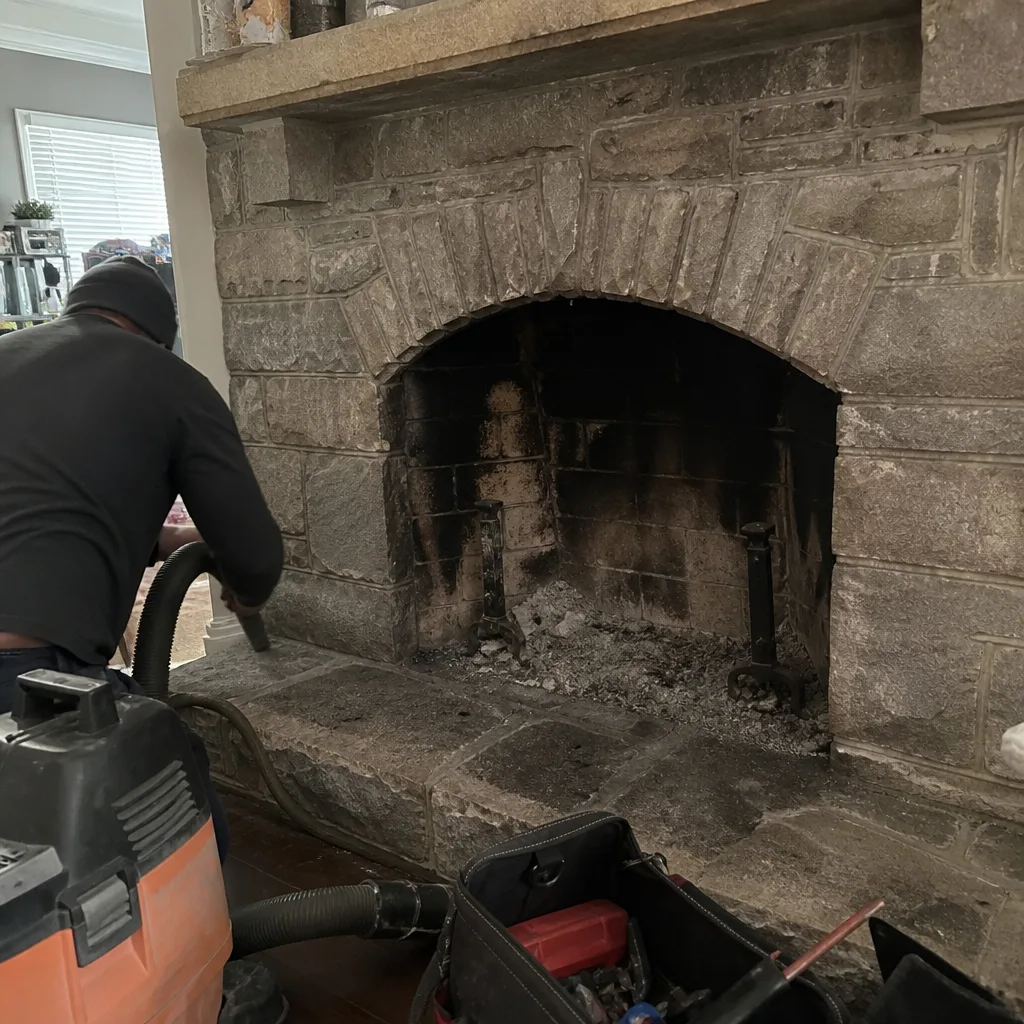 Before
 After
 Before
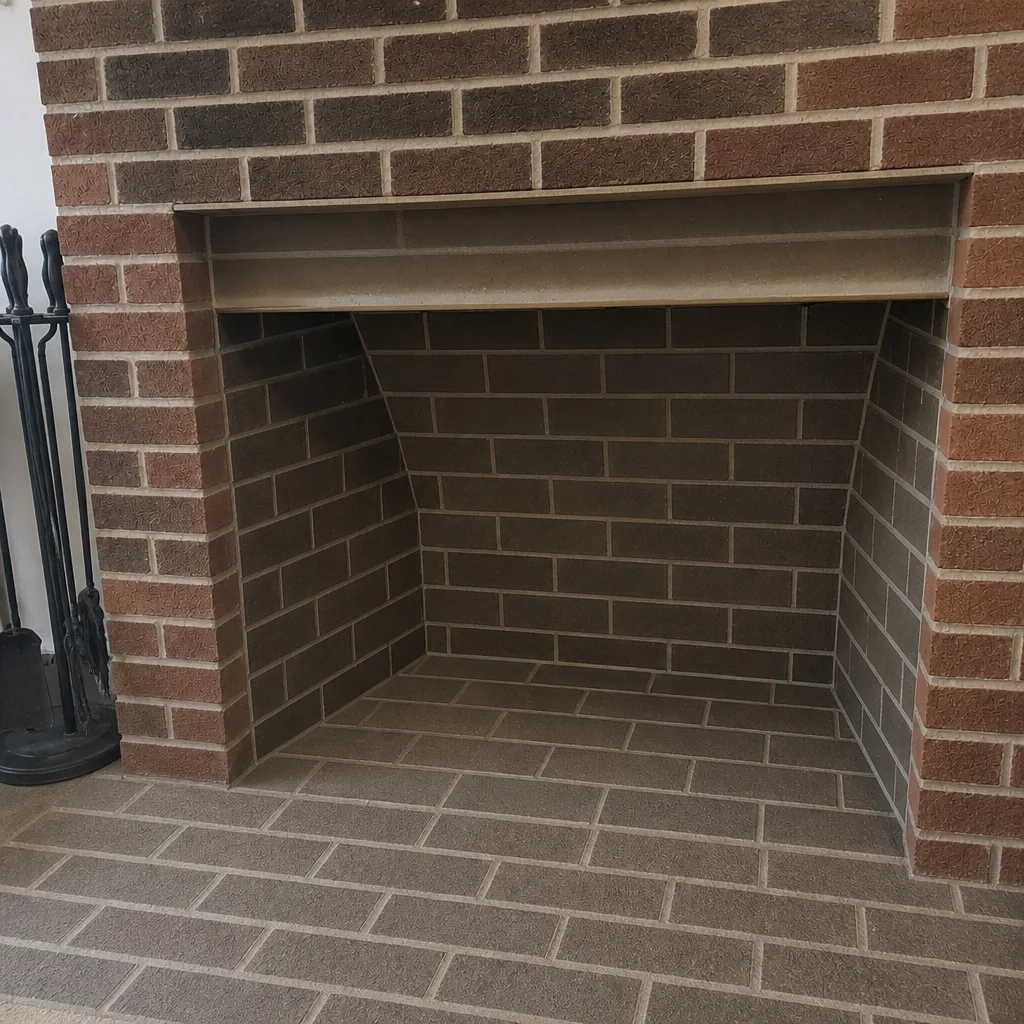 After
When to Call a Professional
Some chimney work is a phone call, and some of it is a decision to make on a schedule. Call a professional when an inspection turns up an issue you can’t see for yourself, when you notice a new stain on the ceiling or wall near the chimney, when you smell a musty or sour odor from the firebox, or when you hear animal activity in the flue. Call if the crown is cracked, the cap is missing or loose, or the flashing looks pulled away from the roof. Call if it’s been more than a year since the last inspection, or if you’ve just bought an older home in Irving Park and don’t know its service history. Our technicians have up to 8 years of experience, and we inspect before we recommend anything. Chimney Sweep Irving Park offers free estimates in Irving Park. Call (844) 625-7370. We answer 24/7. Fast dispatch from 7am to 7pm, Sunday through Friday.
Frequently Asked Questions
Once a year for most wood-burning fireplaces, with the timing set by use and by the inspection findings rather than the calendar alone. Heavy use during the winter can justify a mid-season check, and a gas fireplace needs an annual inspection even though it doesn’t need the same kind of sweep. Call (844) 625-7370 for an exact quote. Estimates are free.
August or early September is the better window in Irving Park, for both the quality of the inspection and the availability of appointments. October is the busiest month in the chimney trade, and the late-summer window also catches nesting and moisture issues before they get worse. Call (844) 625-7370 to book a slot. Estimates are free.
A visual inspection of the firebox, damper, flue, crown, cap, and flashing, with photographs of anything worth your attention and a written summary of the findings. The point is to show you what the technician sees so you can decide what to do. Call (844) 625-7370 for an exact quote. Estimates are free.
Yes. A gas fireplace still has a flue and venting system, and it still goes through the same Piedmont weather as a wood-burning chimney. An annual inspection catches venting, firebox, cap, and crown issues that are unrelated to what you burn. Call (844) 625-7370 for an exact quote. Estimates are free.
In this climate, the likely result is that a small, cheap problem becomes a bigger one. A crown crack or a loose cap that’s handled in spring is minor; the same problem after a humid summer and a freeze-thaw winter is a repair. Nothing is recommended without evidence you can see for yourself, and some work can safely wait, but a skipped inspection is how you lose the ability to decide. Call (844) 625-7370 for an exact quote. Estimates are free.
Yes. We offer five core services: sweeping, inspection, fireplace repair, cap and crown installation, and chimney repair, so the sweep, the inspection, and the repair can all be handled by one contractor. That avoids referrals and scope gaps between trades. Read more on the Chimney Sweep Irving Park main page, or call (844) 625-7370 for an exact quote. Estimates are free.
The Bottom Line
Irving Park chimneys don’t fail on the calendar; they fail on moisture and freeze-thaw, and those are seasonal in this part of the Piedmont. The most valuable change you can make is to move your annual service earlier and give each season a job: spring for crown, cap, and flashing so water stays out; late summer for the inspection that catches nesting and moisture before the burning season; fall for the sweep and the written record; winter to burn well and watch the exterior. Material choice matters as much as timing, which is why we work with repair-grade products and professional supply lines. From the firebox to the crown, one contractor for the sweep, the inspection, and the repair keeps the whole system accountable.
Ready to put your Irving Park chimney on a real schedule? Chimney Sweep Irving Park offers free estimates. Call (844) 625-7370. We answer 24/7. Fast dispatch from 7am to 7pm, Sunday through Friday.
Written by the team at Chimney Sweep Irving Park.