
Last updated November 24, 2026
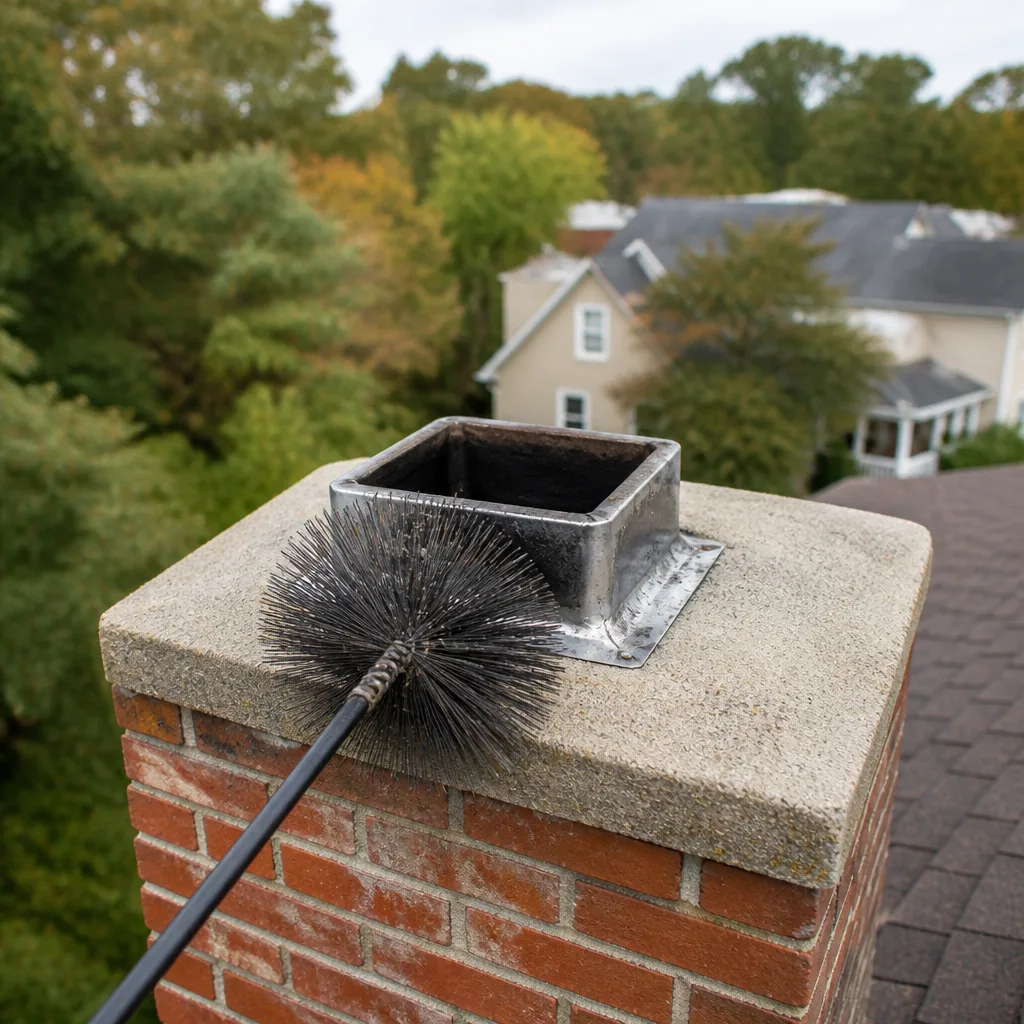 Sweep & inspection
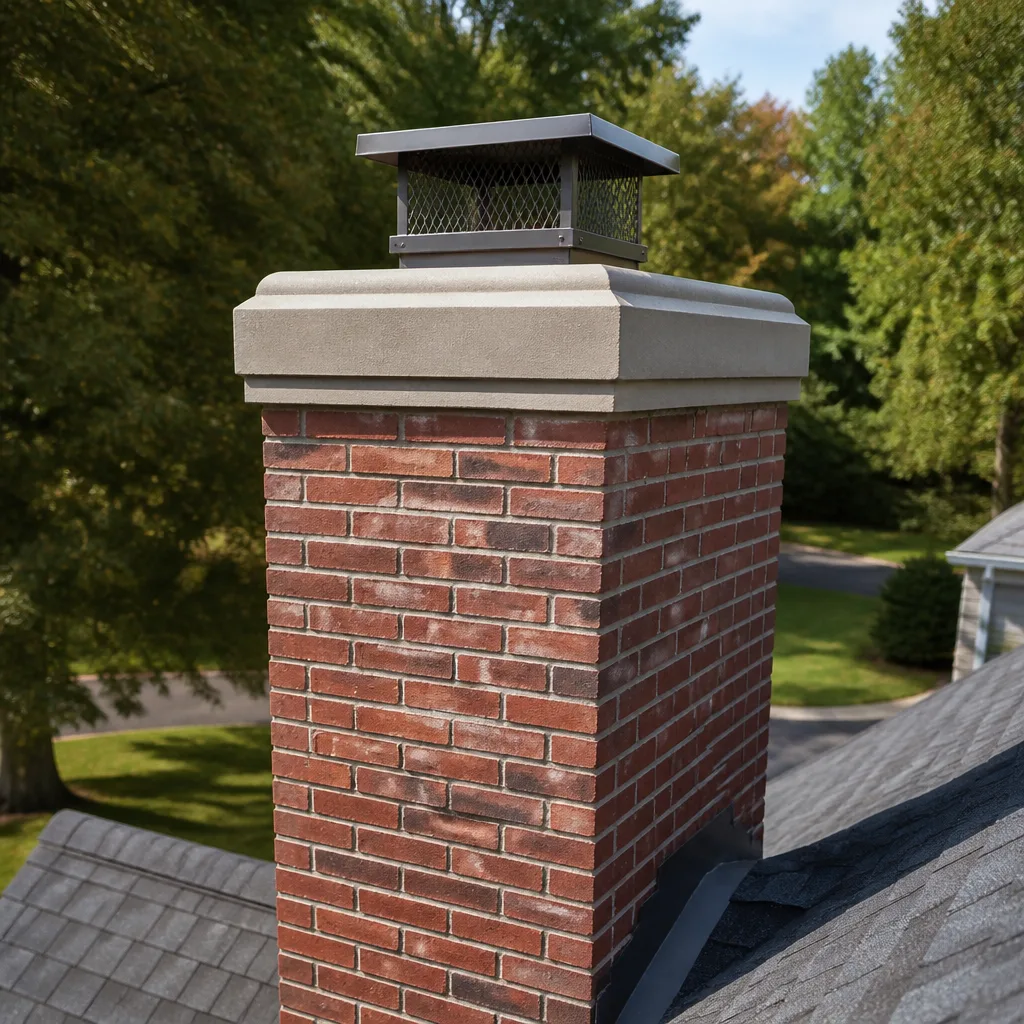 Caps & crowns
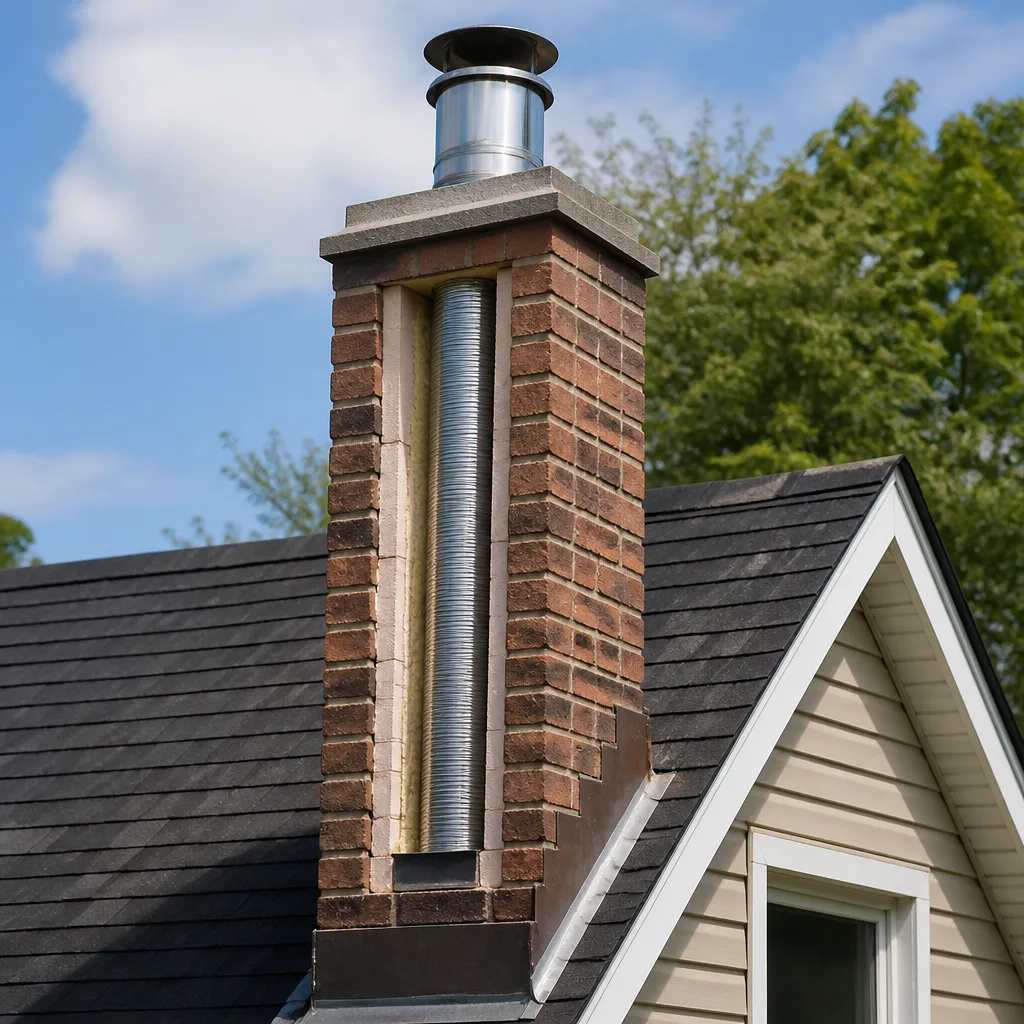 Flue relining
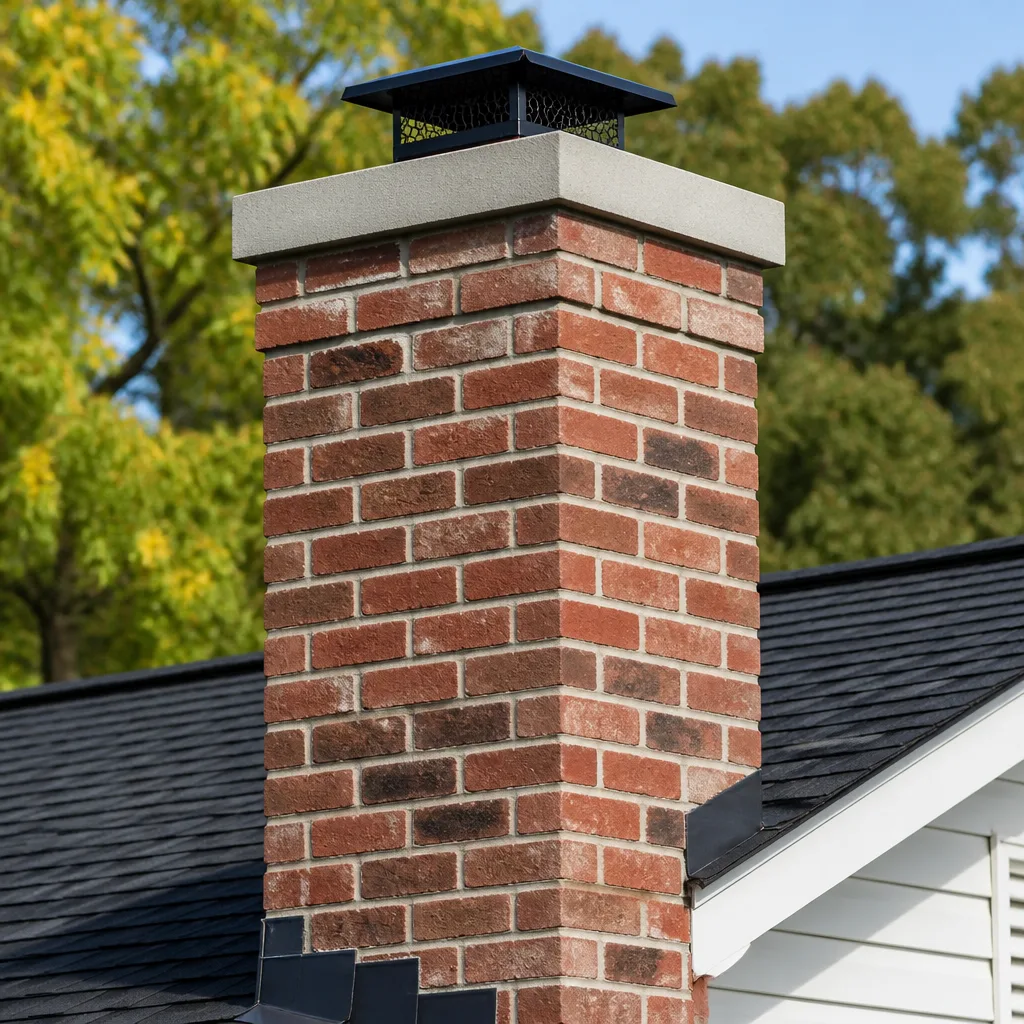 Masonry repair
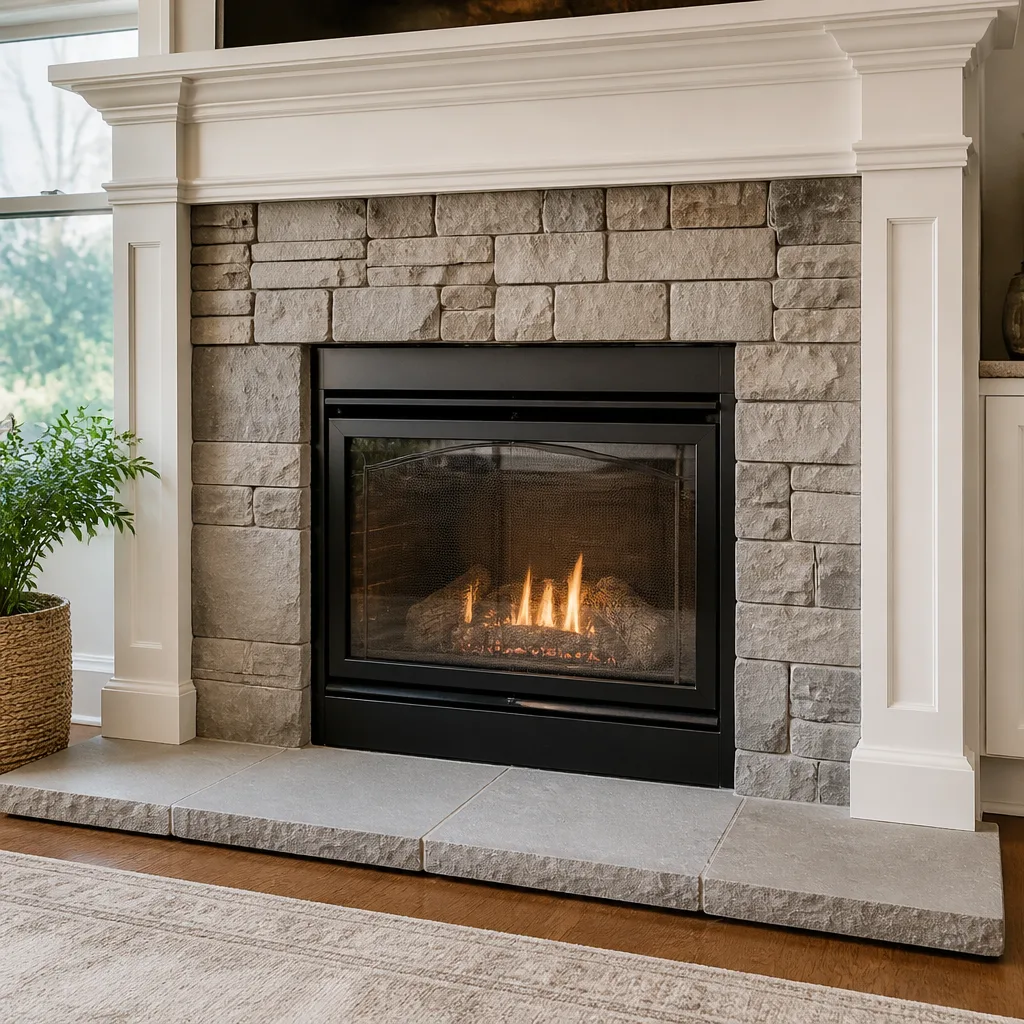 Gas fireplace service
Level 1 sweep and inspection to the NFPA 211 annual standard - flue, crown, cap, and flashing checked and photographed
Chimney sweep logs do not sweep chimneys. They loosen some creosote - which then falls where a brush and vacuum still have to collect it.
How to Hire a Chimney Cleaning Contractor in Irving Park: A Step-by-Step Guide
Most homeowners think they’ve vetted a chimney contractor when they confirm the company is CSIA-certified. That’s the wrong stopping point. The CSIA exam is a single test, and passing it doesn’t require a single hour of documented field experience. A contractor can hold the credential and still send an untrained helper up your flue. What separates a genuinely qualified sweep in Irving Park from a general handyman with a brush isn’t a badge, it’s the answers you get to five technical questions before anything is booked. This guide gives you the exact vetting process: which credentials actually mean something, what to ask, how to read a scope of work, and how to spot the red flags that show up after the invoice.
Quick Answer
Hiring a chimney cleaning contractor in Irving Park means verifying three things before you book: the technician’s credential and its limits, whether the company offers camera inspection with a written report as standard, and whether the scope of work is documented in writing before the job starts. A legitimate contractor answers technical questions about flue type, liner condition, and draft without deflecting. A low-bid sweep who can’t describe how your chimney works is a risk, not a bargain.
Styles & brands we work with
- Sweep & inspection
- Caps & crowns
- Flue relining
- Masonry repair
- Gas fireplace service
Table of Contents
- Which Credentials Actually Matter in Irving Park
- Five Technical Questions to Ask Before Booking
- What a Legitimate Scope of Work Looks Like
- How to Evaluate Professional-Grade Materials
- Red Flags of Low-Bid Sweeps
- What Happens During a Real Inspection
- Why Irving Park Chimneys Need Specific Attention
- How to Make the Final Call
Which Credentials Actually Matter in Irving Park
Start by knowing what each credential does and does not guarantee. That’s the first step of the vetting process, and most homeowners skip it.
- CSIA (Chimney Safety Institute of America): A recognizable industry credential earned by passing a written exam. It signals a baseline of theoretical knowledge. It does not require documented field experience and does not guarantee the person in your home has ever worked a flue. Ask who specifically will do the work and how long they’ve been doing it. Our technicians have up to 8 years of experience, and we’ll tell you exactly who is coming.
- NFI (National Fireplace Institute): A credential specific to fireplace and venting installation and service. It goes deeper on gas, wood, and pellet systems than the CSIA exam. If you have a gas or pellet insert, this matters more than general certification.
- State licensing: In most states, chimney sweeping is not separately licensed, so a general contractor license may or may not cover the work. Homeowners should ask the contractor what licensing applies to chimney work in their state and confirm it in writing.
- Insurance: Ask for a certificate of insurance before any work on the roof or flue. A real contractor provides it without hesitation. A general handyman often can’t.
None of these credentials, individually or combined, replaces the questions below. What they do is screen out the completely unqualified. The rest is on you to verify through conversation and documentation.
Five Technical Questions to Ask Before Booking
These five questions separate a chimney professional from someone who owns a brush. The answers expose whether the contractor actually understands chimney systems or is just going through the motions.
- What type of flue do I have, and how does that change the cleaning method? A masonry flue, a factory-built metal flue, and a clay-tile liner each need different tools and technique. A contractor who can’t identify your flue type before arriving is guessing.
- Will you use a camera, and will I get the footage or photos? Camera inspection is the single clearest technical differentiator. A sweep who cleans without a camera has no way to see a cracked liner, hidden creosote, or a damaged crown. Insist on it and insist on seeing the images.
- What does a normal sweep include, and what’s an add-on? A fair contractor is transparent about the difference. Be wary of any company that quotes a low price and then adds mandatory line items once the brush is out.
- Do you assess the crown and cap while you’re up there? The cap and crown are where water intrusion and structural failure start. A contractor should be able to describe the condition of both in plain terms.
- What would make you recommend a liner, resurface, or repair, and can you show me why? The good answer references specific visible evidence: cracks, gaps, spalling, missing mortar joints. If the answer is “it looks bad,” push harder. We inspect before we recommend.
Ask these on the phone. A confident, technically detailed answer is the strongest signal you’ll get before the technician shows up.
What a Legitimate Scope of Work Looks Like
A real scope of work is a written document you receive before the job begins, not a verbal promise. It should list the address, the specific service being performed, the flue or firebox being addressed, and what is and isn’t included. Here’s the difference between a proper scope and a vague invoice:
- Proper scope: Names the flue, the method (brushing, camera inspection, cap removal and reinstallation), and whether a written report follows. States the flat price agreed before booking, not after.
- Vague invoice: Says “chimney cleaning” with a dollar figure and nothing else. Appears only after the work is done.
- Proper scope: Documents any recommended repair with reference to the photographic evidence you were shown. The recommendation is traceable to something you saw.
- Vague invoice: Says “recommended liner replacement” with no reference to what was found or why.
When you reach out to us at Chimney Sweep Irving Park, the flat price for a sweep is agreed before we book. That’s not a marketing line. It’s the basic standard any homeowner should expect. If a contractor in Irving Park won’t put the scope and the price in writing before the appointment, that’s the answer to your question.
How to Evaluate Professional-Grade Materials
Materials knowledge is where a certified specialist separates from a general handyman. Ask which brands the contractor installs and why. If the answer is “whatever the supplier has,” you’re dealing with generic hardware-store substitutions dressed up as professional work.
Professional-grade materials in this trade are recognizable by name and by function:
- DuraFlex flexible stainless liner systems are an industry-standard product trusted by professional chimney contractors. They’re used when a flue needs relining, and the installation method matters as much as the product.
- HeatShield is a repair-grade resurfacing product that isn’t available through DIY channels. Applying it correctly is a genuinely technical skill that sweep-only companies often can’t perform.
- Copperfield and Olympia Chimney components are two of the most widely distributed professional supply lines in the trade. If a contractor doesn’t know them by name, they’re not sourcing from professional channels.
- Caps: Gelco and Famco caps are fitted for the flue size and airflow, not one-size-fits-all. The right cap for your flue, not the nearest one in stock, matters for both safety and longevity.
Ask which of these products they actually install. A specialist will name them without prompting. A generalist will change the subject.
Red Flags of Low-Bid Sweeps
The lowest quote is the easiest thing to compare and the least informative. Here are the specific red flags that should make you walk away:
- No camera inspection. A sweep who cleans without inspecting can’t see the liner, the crown, or the flue joints. Skip it and you have no record of the condition of your system.
- No written report. If you don’t get documentation of what was found, you have no way to verify a recommendation or share it with your insurer or a buyer.
- Cash-only pricing. Legitimate contractors accept normal payment terms. Cash-only suggests the company doesn’t want a paper trail.
- Price quoted before seeing the flue. A price that appears on the phone before any information is gathered is a sales tactic, not a quote.
- Recommendations without evidence. “Your liner is shot” with no camera footage is not a recommendation. It’s a sales pitch.
- Scope creep after the brush is out. Add-ons that appear mid-job and weren’t in the written scope are a sign the low price was bait.
- No local accountability. A contractor who can’t give you a verifiable business location or documentation is hard to hold accountable.
In our experience, homeowners who get burned by a cheap sweep almost always had a red flag in hindsight. The red flags are visible. They’re just easy to talk yourself past when the price is low.
What Happens During a Real Inspection
A chimney inspection is not the same thing as a sweep, and it’s the part of the process most general handymen skip. A proper inspection follows a defined sequence and gives you a written record of the system’s condition.
- Exterior assessment: The crown, cap, flashing, and brickwork are examined from the roof or from ground level with a camera. Any water intrusion points are noted.
- Firebox and damper: The firebox walls, damper operation, and smoke shelf are checked for cracks, gaps, and buildup.
- Flue scan: A camera travels the flue from the firebox to the top, capturing the condition of the liner, joints, and any creosote or obstruction.
- Draft check: The technician verifies that the chimney actually pulls air as it should, which matters for smoke and carbon monoxide safety.
- Written report: You receive documentation of what was found, with photos, so you can decide what to do without pressure.
We offer chimney inspection as a standalone service. That matters for homeowners in real estate transactions or insurance reviews who need documentation without a sweep on the invoice. A standalone inspection should always include the photo report and a plain-language explanation of what was found. Nothing gets recommended without camera evidence you can see for yourself, and when work can safely wait, we say so.
Why Irving Park Chimneys Need Specific Attention
Irving Park’s seasonal swings are hard on masonry. The freeze-thaw cycle in the colder months works on any moisture that has found its way into brick or mortar, and the humid summers accelerate deterioration once the damage has started. That’s why the crown and the cap aren’t cosmetic details, they’re the first line of defense against the two failure modes that cost the most to repair.
A well-fitted cap keeps rain, animals, and debris out of the flue. A sound crown sheds water away from the chimney’s shoulders. When either fails, water enters the masonry and the damage spreads over seasons, not weeks. This is why a sweep who assesses only the firebox and never looks at the cap or crown is leaving the most consequential part of the system unchecked. When you’re looking at a chimney contractor in Irving Park, ask how the cap and crown fit into the visit. From the firebox to the crown is the only scope that covers both combustion safety and structural integrity.
How to Make the Final Call
By this point, you have the answers to the questions that matter. The rest is a simple comparison:
- Do they assess the crown and cap, or only the firebox?
- Do they offer the full scope of chimney work, or refer out anything beyond a sweep?
- Do they name professional-grade materials, or deflect?
- Do they put the scope and price in writing before booking?
- Do they provide camera evidence with a written report, every time?
One contractor for the sweep, the repair, and the inspection means accountability stays in one place. When a general handyman sweeps your flue and a separate roofer handles a cap and a third party does the liner, nobody owns the outcome. When one contractor covers the firebox-to-crown scope, you have a single point of accountability for the entire system.
Common Mistakes to Avoid
- Treating CSIA certification alone as sufficient vetting. It’s a baseline test, not a guarantee of field experience. Ask who is actually doing the work and how long they’ve been doing it.
- Booking a sweep without a camera inspection. Cleaning without looking gives you no record of your chimney’s condition. You can’t verify a recommendation you never saw evidence for.
- Accepting a phone quote before any information is gathered. A real contractor asks about the flue, the fireplace, and the last cleaning before naming a price.
- Assuming a low price means a good deal. Low-bid sweeps often add line items after the brush is out. The written scope and flat price agreed before booking is the only comparison that matters.
- Ignoring the cap and crown. Water intrusion from a failed cap or crown causes structural damage that costs far more than the repair. Irving Park’s seasonal swings make this the highest-value check in the whole visit.
- Skipping the written report. Documentation is what makes a recommendation verifiable, shareable with an insurer, and useful in a real estate transaction.
- Letting a general handyman perform liner or resurfacing work. Liner installation and HeatShield resurfacing require specific training and professional-grade materials. Handymen who offer to do it cheaply are a liability, not a shortcut.
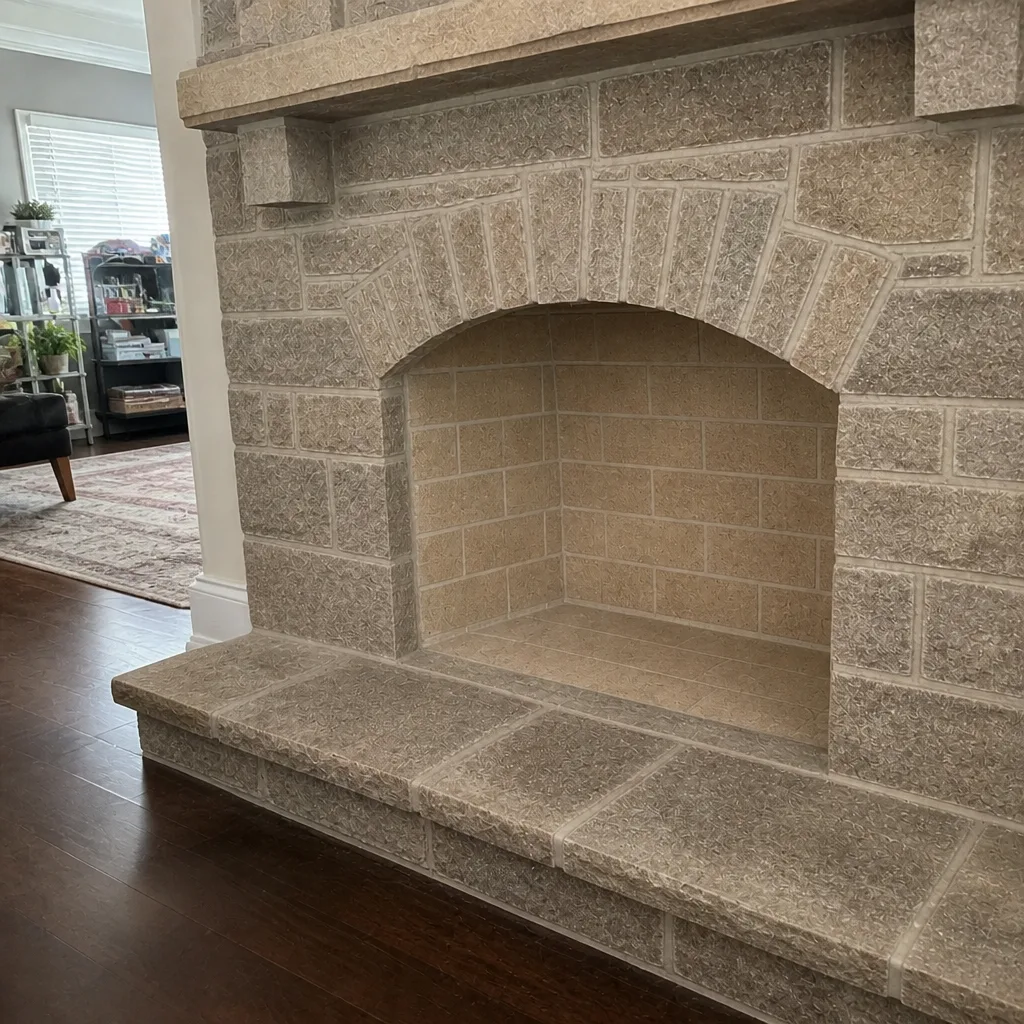
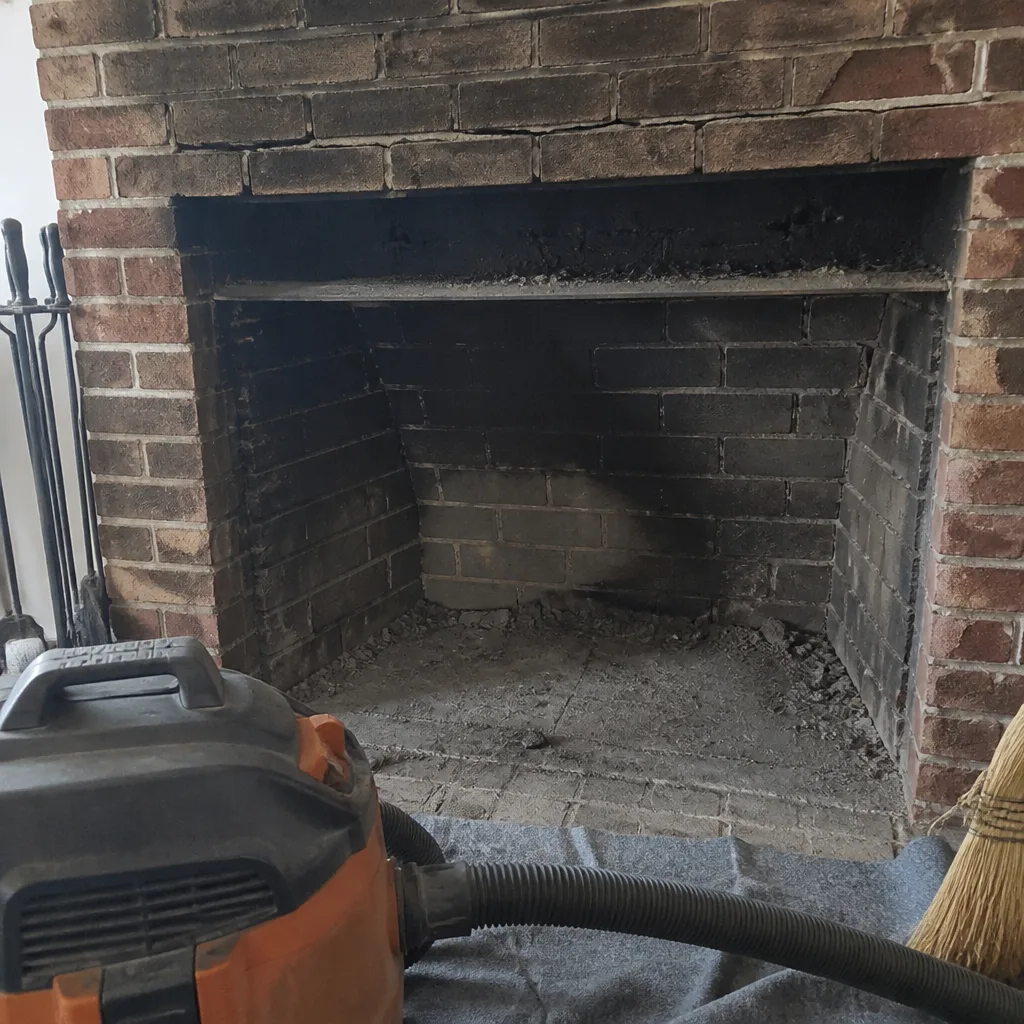
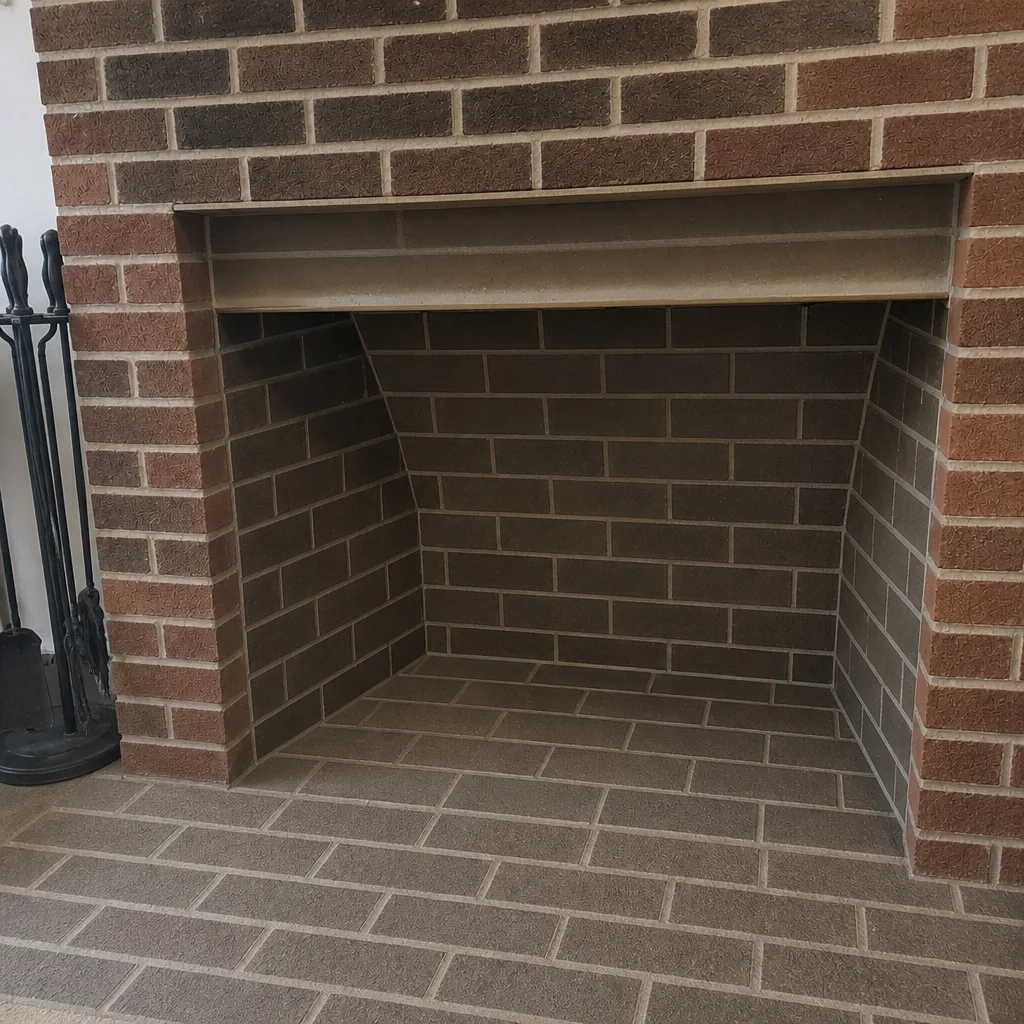
See the difference
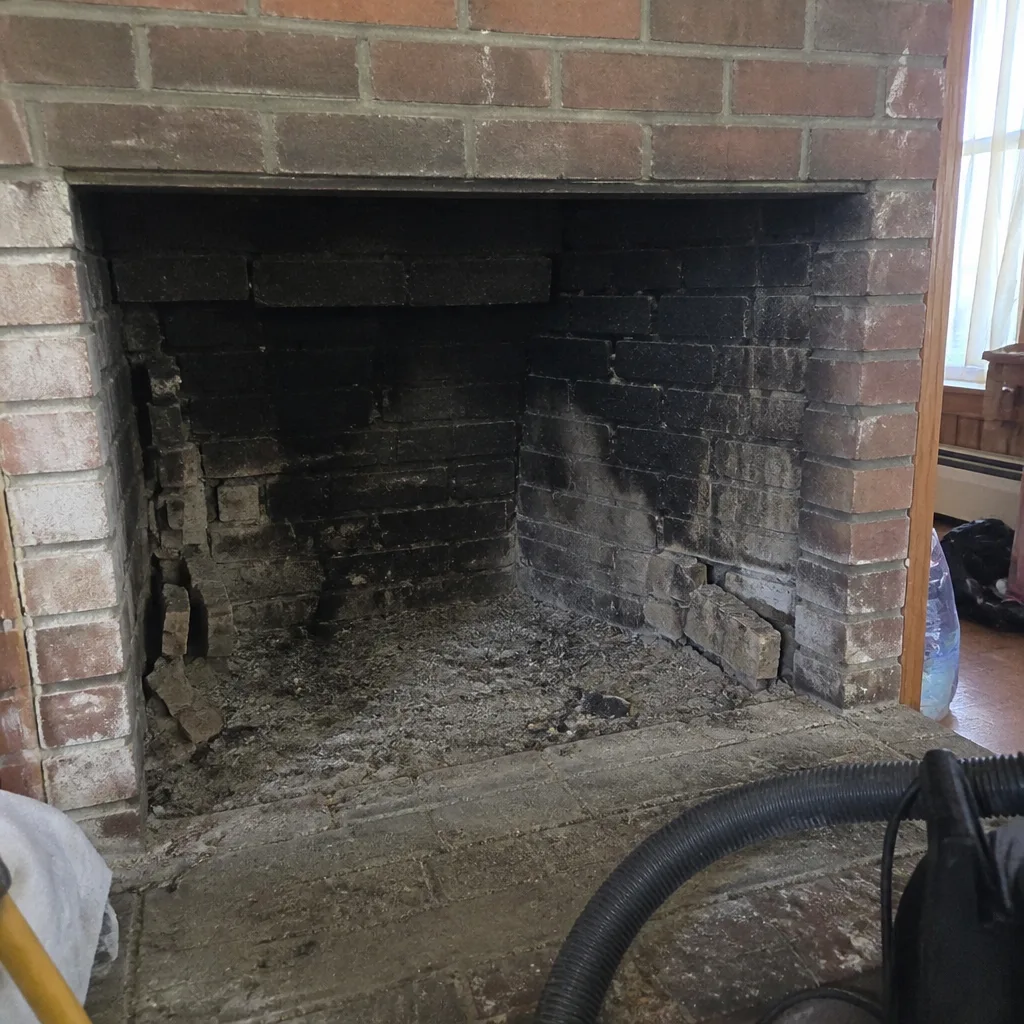 Before
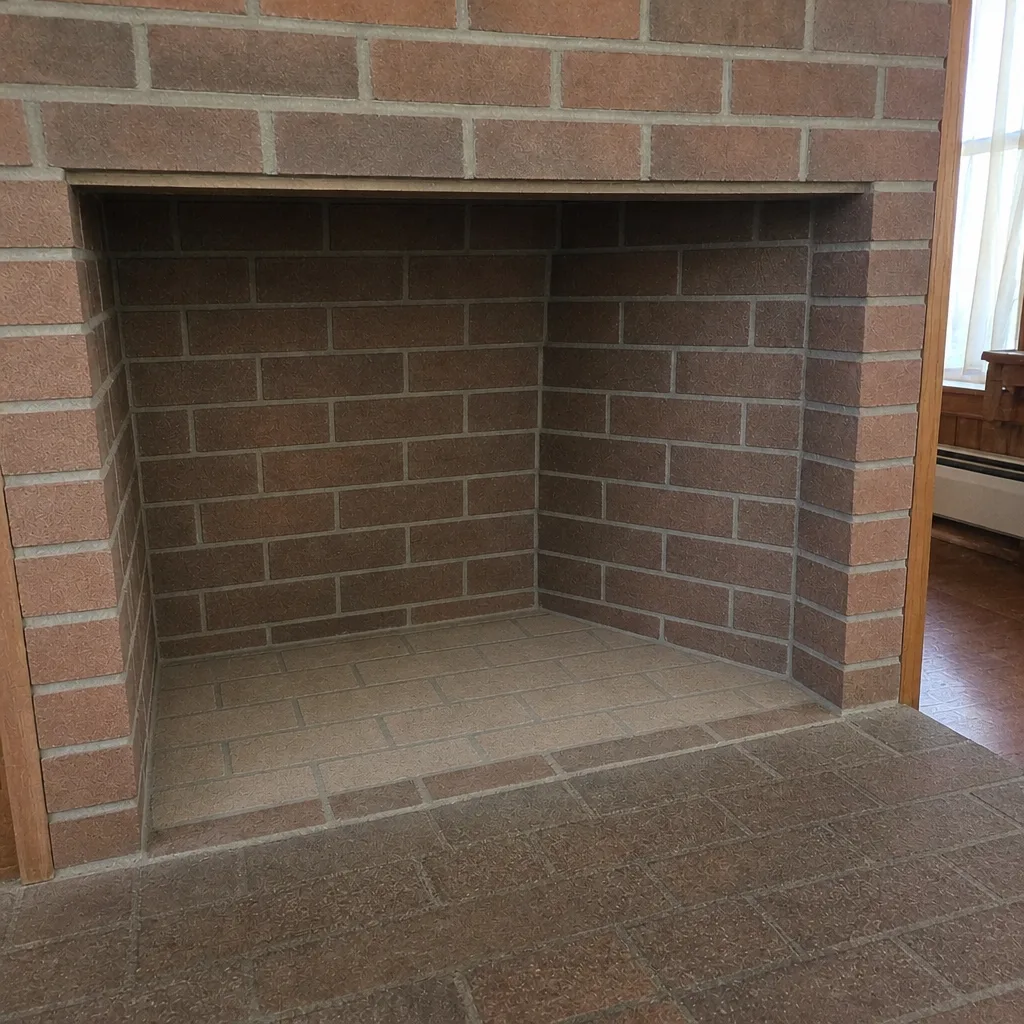 After
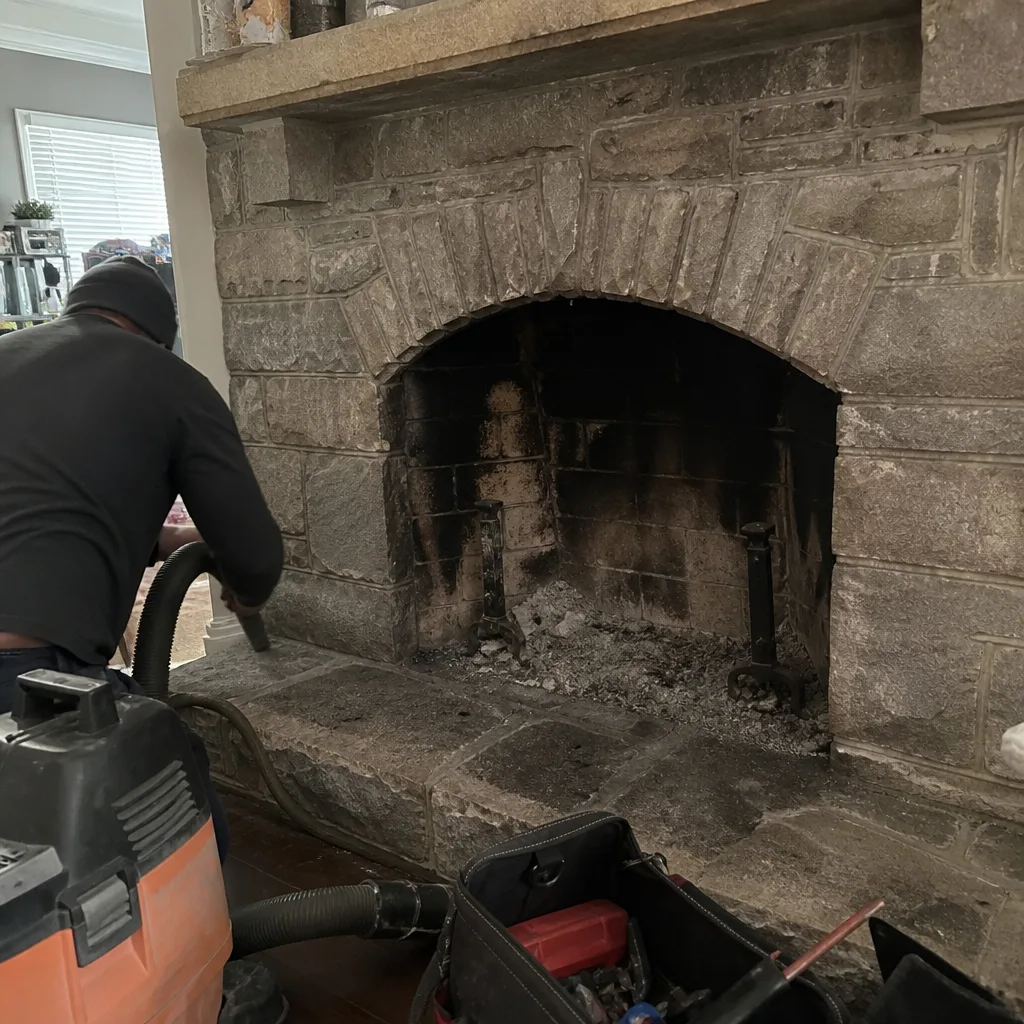 Before
 After
 Before
 After
When to Call a Professional
Call a professional contractor for any of the following: an annual sweep or inspection before the heating season, a persistent smoky smell or draft issue, visible cracks in the firebox or a sagging damper, water stains on the ceiling near the chimney, a missing or loose cap, or a recommendation from a home inspector that needs verification with camera footage. Call us if you smell gas, see soot falling back into the firebox, or notice creosote buildup you can see from the firebox opening. Those are gas line and creosote fire risks, not DIY projects.
Chimney Sweep Irving Park offers free estimates in Irving Park. Call (844) 625-7370. We answer 24/7. Fast dispatch from 7am to 7pm, Sunday through Friday.
Frequently Asked Questions
A standard sweep in Irving Park is priced per job by a written estimate agreed before booking, so the figure depends on the flue type, the condition of the firebox, and whether a camera inspection is included. The written estimate sets the final price. Call (844) 625-7370 for an exact quote. Estimates are free.
Only if the camera inspection shows a documented failure: a cracked flue tile, gaps at the joints, or a deteriorated liner. We won’t recommend a liner without camera evidence you can review yourself. If the liner is sound, we say so. Call (844) 625-7370 to schedule an inspection and see the footage before you decide.
The general industry guidance is at least once a year for a chimney in regular use, and more often if you burn frequently or burn green or unseasoned wood. The inspection matters as much as the sweep, since it’s the only way to catch a developing problem before it becomes structural. Call (844) 625-7370 to book a sweep and inspection together.
Creosote accumulates in the flue and becomes flammable, which raises the risk of a chimney fire, and an obstructed flue can allow carbon monoxide to back up into the home instead of venting outside. Both risks are well established in the trade. A sweep is the low-cost way to catch problems before they cause a fire or CO exposure. Call (844) 625-7370 to schedule.
Not always. Some low-bid sweeps clean the flue without ever running a camera, which means no record of the liner, crown, or cap condition. A proper visit includes a camera inspection and a written report with photos. Ask specifically before booking. We include the inspection as part of the standard service at chimney sweep pricing, agreed before we arrive.
No. HeatShield is a repair-grade resurfacing product applied to an existing flue to restore integrity, and it’s not available through DIY channels. A new liner uses a system like a chimney cap & crown replacement may also be part of the repair if water intrusion has damaged the cap or crown above the flue. An inspection determines which repair actually applies. Call (844) 625-7370 to schedule an inspection and get a written recommendation.
You can, but you shouldn’t. Handymen typically lack camera inspection equipment, don’t know professional-grade materials like DuraFlex or HeatShield, and won’t provide a written scope or report. The sweep itself is a small part of what you’re paying for; the inspection and documentation are what protect you. Reach out to fireplace repair only with a contractor who documents what they find.
The Bottom Line
Hiring a chimney contractor in Irving Park isn’t about finding the cheapest quote. It’s about finding one who answers the five technical questions, offers camera inspection as standard, puts the scope and price in writing before booking, and knows professional-grade materials by name. If any of those is missing, the low price is hiding the risk. Our technicians have up to 8 years of experience. We work with DuraFlex, HeatShield, Gelco, Copperfield, and Olympia Chimney components. We inspect before we recommend, and we tell you when a repair can safely wait.
Ready to schedule a sweep, an inspection, or a fireplace repair in Irving Park? Call (844) 625-7370 for a free estimate. We answer 24/7. Fast dispatch from 7am to 7pm, Sunday through Friday. Visit Chimney Sweep Irving Park to learn more about our service.
Written by the team at Chimney Sweep Irving Park.