
Last updated November 24, 2026
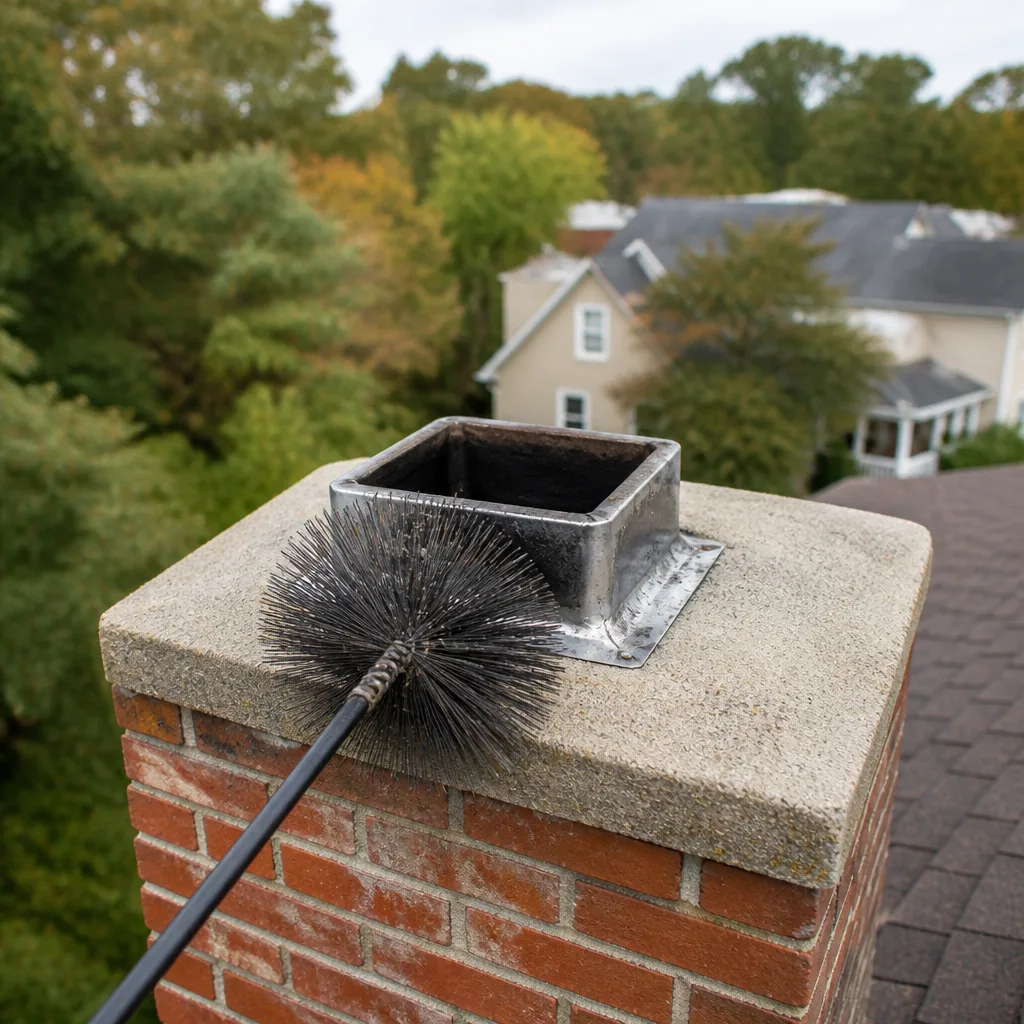 Sweep & inspection
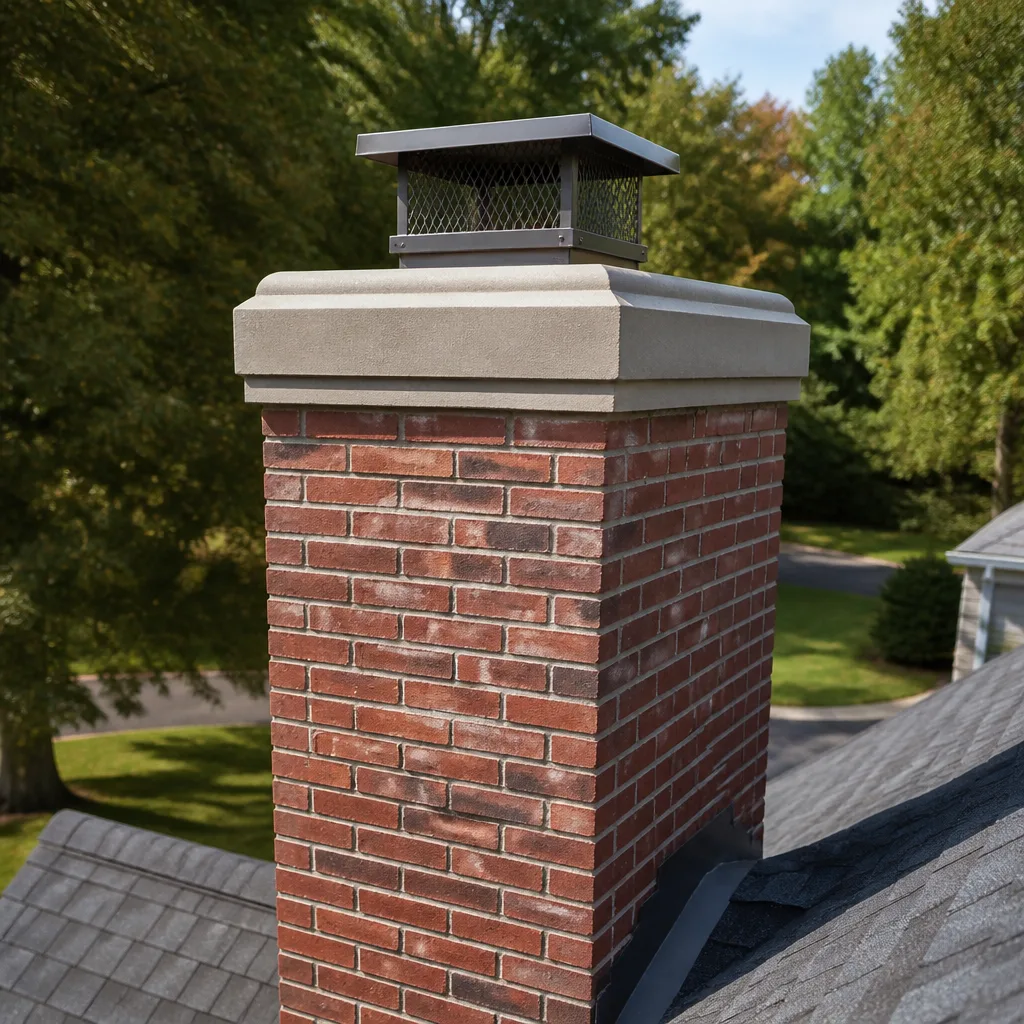 Caps & crowns
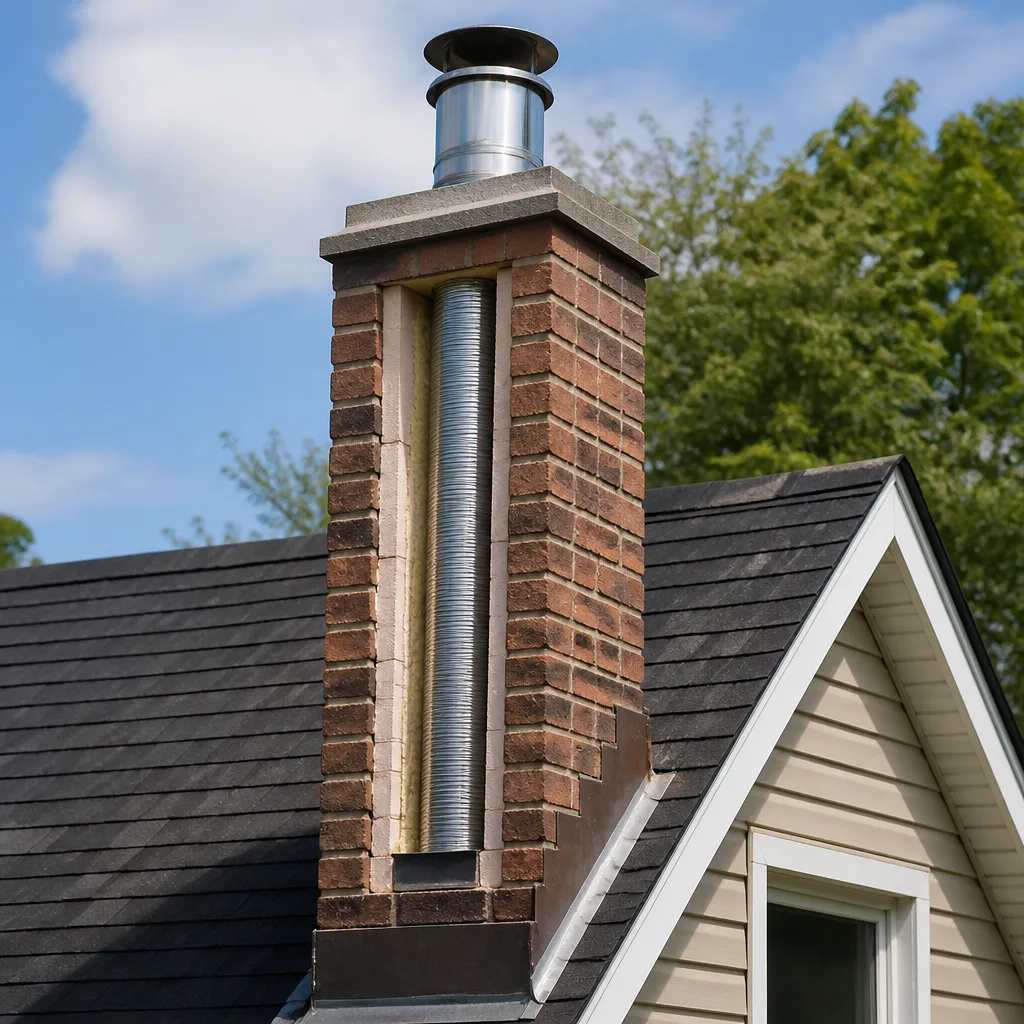 Flue relining
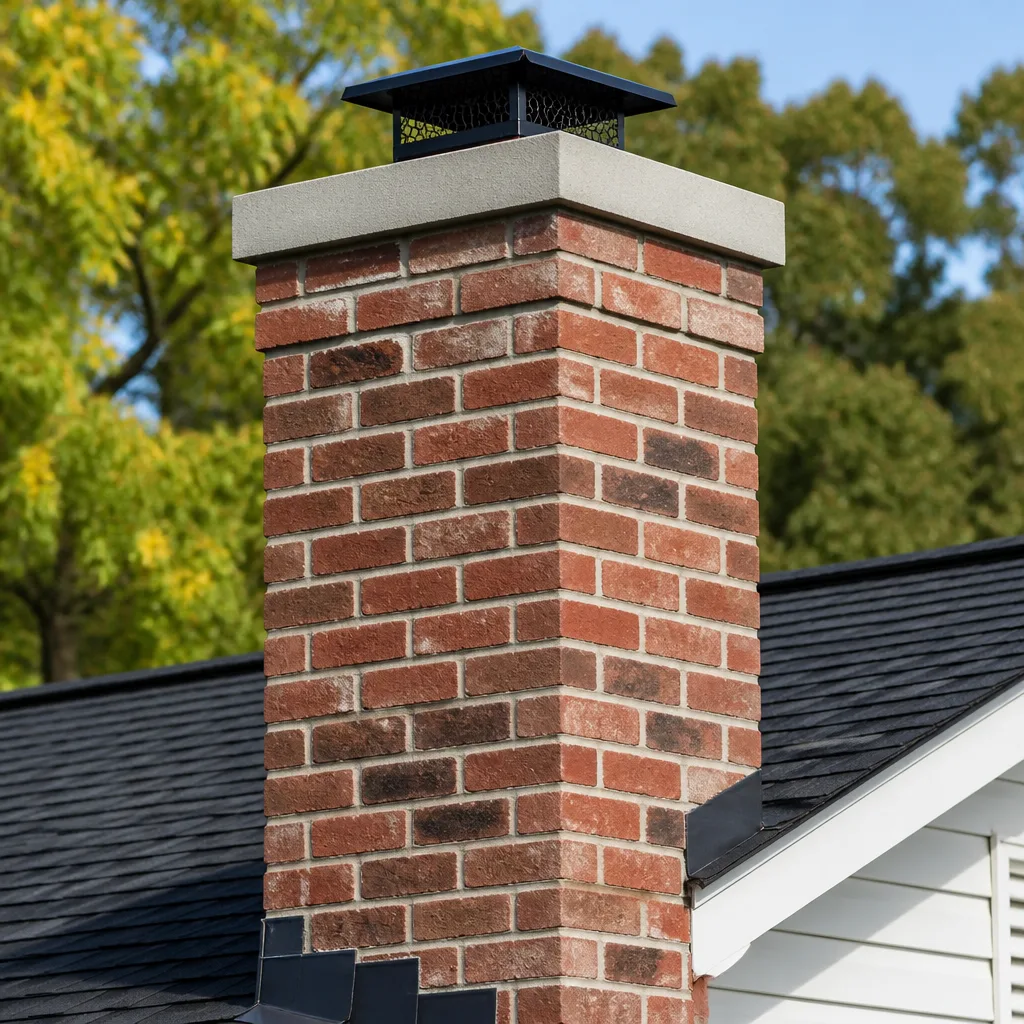 Masonry repair
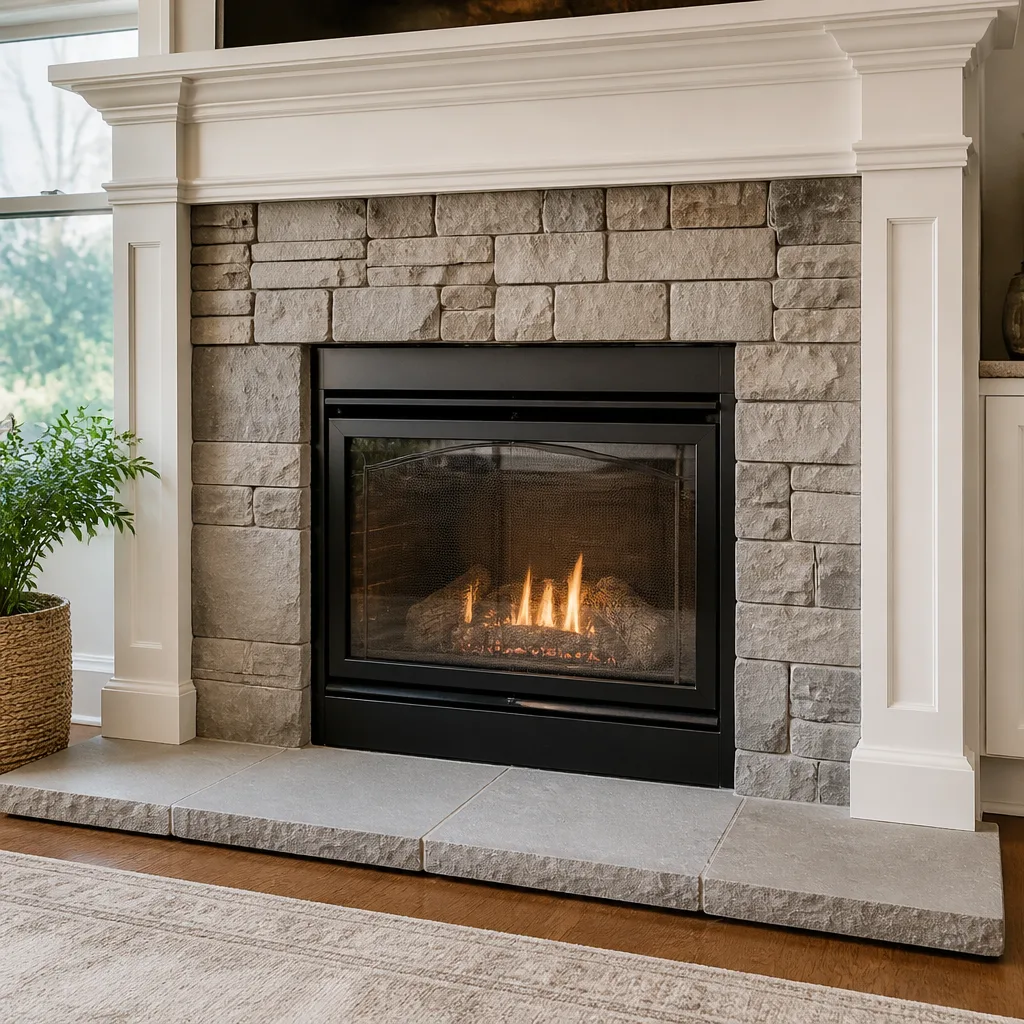 Gas fireplace service
Level 1 sweep and inspection to the NFPA 211 annual standard - flue, crown, cap, and flashing checked and photographed
Chimney sweep logs do not sweep chimneys. They loosen some creosote - which then falls where a brush and vacuum still have to collect it.
The Complete Guide to Chimney Cleaning in Irving Park
Most homeowners think of chimney cleaning as one job: someone comes out, runs a brush up the flue, and leaves. That picture is wrong, and it costs people money. The condition of the flue liner, the crown, and the cap decides whether a cleaning is a simple sweep or the start of a repair conversation. In Irving Park’s humid Piedmont climate, creosote and masonry don’t behave the way they do in drier parts of the country, and a sweep who ignores that is only doing part of the job. This guide covers the full scope: what cleaning really includes, how inspections break down, and how to read a report so you know what was found, not just what was cleaned.
Quick Answer
Chimney cleaning in Irving Park is a full-system service, not a brush-and-go. A proper cleaning means sweeping the flue, checking the liner for cracks and gaps, inspecting the cap and crown, and documenting what was found so you can make an informed decision about repairs. The exact price depends on your chimney’s condition, and the written estimate sets the final number before any work starts.
Styles & brands we work with
- Sweep & inspection
- Caps & crowns
- Flue relining
- Masonry repair
- Gas fireplace service
Table of Contents
- Why Irving Park’s Climate Changes the Cleaning Conversation
- What a Full-Service Chimney Cleaning Actually Includes
- Level 1, Level 2, and Level 3 Inspections: When Each Applies
- How Flue Liner Condition Decides Whether Cleaning Is Enough
- What a Low-Bid Sweep Skips
- How to Read a Sweep’s Report
- How Often Should You Schedule Cleaning?
- What Does Chimney Cleaning Cost in Irving Park?
Why Irving Park’s Climate Changes the Cleaning Conversation
Irving Park sits in the North Carolina Piedmont, and the Piedmont is humid. Summers push moisture into the air for months, and that moisture works its way into masonry, mortar joints, and flue surfaces. This matters for chimney cleaning more than most people realize, because creosote doesn’t form in a vacuum. It forms in response to how a fire burns and how the flue behaves afterward.
When a chimney cools down after a fire, residual moisture in the masonry and in the flue can combine with the creosote residue left behind. In drier climates, that residue tends to stay brittle and flaky, which makes it easier to brush away. In a humid climate like Irving Park’s, the same residue can soften, re-form, and harden into a denser glaze over repeated heating and cooling cycles. Glaze creosote is the hard, shiny, tar-like layer that doesn’t come off with a standard brush. It’s also the layer most associated with chimney fire risk, because it burns hot once it ignites.
That’s the core issue. A homeowner in Irving Park who burns regularly can end up with glaze creosote faster than someone in a dry climate with the same burning habits. Humidity also attacks the masonry itself. Mortar joints absorb moisture, freeze and thaw through Piedmont winters, and slowly crumble. Water that gets into a cracked crown or a missing cap accelerates all of it.
So cleaning in Irving Park is never just about creosote. It’s about reading the whole system: how the fire burns, what the flue looks like, whether the cap is keeping water out, and whether the crown is shedding water the way it should. That’s why we inspect before we recommend anything. Cleaning a flue that has a cracked liner or a failing crown doesn’t fix the problem, it just removes one symptom.
What a Full-Service Chimney Cleaning Actually Includes
A full-service cleaning covers the chimney from the firebox to the crown. That phrase is deliberate. A sweep who only brushes the flue from the top and leaves is doing partial work. Here’s what a proper cleaning involves, step by step:
- Protect the living space first. Drop cloths and a sealed work area keep soot and dust out of your home. This is a preparation step most people never see, but it’s the difference between a professional job and a mess.
- Inspect the firebox and damper. Before any sweeping, we look at the firebox for cracked brick, damaged mortar, and gaps. The damper gets checked for smooth operation. These findings shape what happens next.
- Sweep the flue. The brush size matches the flue’s shape and material. A liner that’s oval or has offsets needs a different approach than a straight rectangular clay tile flue. Rushing this step is how liners get damaged.
- Remove and contain the creosote. Everything swept down gets collected with a HEPA vacuum and bagged. Nothing gets left in the firebox for you to deal with later.
- Check the cap and crown. The cap keeps water, animals, and debris out of the flue. The crown is the concrete surface at the top that sheds water away from the masonry. Both get inspected for cracks, gaps, and fit.
- Document findings with photos. You get a report of what was found, with photos so you can see it yourself. Nothing gets recommended that isn’t visible in the documentation.
The difference between this and a low-bid sweep is scope. A cheap sweep may run a brush and leave, with no firebox inspection, no cap check, and no photos. You pay less and learn nothing about your chimney’s actual condition. For an Irving Park homeowner with an older house, that’s a bad trade.
Level 1, Level 2, and Level 3 Inspections: When Each Applies
NFPA 211 sets out three levels of chimney inspection, and the difference isn’t academic. Each level is triggered by a different situation, and choosing the wrong one means missing something important.
Level 1 Inspection
A Level 1 inspection covers the readily accessible portions of the chimney: the firebox, damper, flue from the appliance connection up, and the visible exterior. It’s the standard inspection that comes with a routine cleaning, and it applies when the appliance hasn’t changed, the chimney hasn’t been modified, and there’s no reason to suspect a problem. For an Irving Park homeowner who burns regularly and maintains the chimney, a Level 1 is usually the right starting point.
Level 2 Inspection
A Level 2 inspection goes further, using a camera to examine the interior of the flue that a Level 1 can’t reach visually. It applies when there’s been a change: a new appliance, a switch in fuel type, a chimney that’s been through a fire or a seismic event, or a property transaction. If you’ve just bought an older home in Irving Park, this is the inspection you want before you rely on the fireplace. A camera sees what a visual inspection misses: cracked tiles, gaps in the liner, and offsets that affect draft.
Level 3 Inspection
A Level 3 inspection is the most involved. It applies when a Level 1 or Level 2 reveals a problem that needs investigation in areas that aren’t accessible without removing parts of the chimney or building. That could mean removing a section of wall or opening up masonry. A Level 3 isn’t routine. It’s reserved for cases where a serious problem is suspected and the only way to find out is to look.
In our experience, the most common mistake is skipping to the cheapest option: a Level 1 inspection on a house with an unknown history. If you’ve never had the chimney inspected and you don’t know when it was last cleaned, a Level 2 gives you real information. Standalone inspection is a service we offer for exactly this reason, and the report is useful for insurance reviews and real estate transactions.
How Flue Liner Condition Decides Whether Cleaning Is Enough
Here’s the part most cleaning guides skip: cleaning only works if the liner is intact. The liner is the barrier between the flue gases and the masonry. If it’s cracked, broken, or missing entirely, sweeping the flue doesn’t make the chimney safe. It just removes the creosote while the underlying path for heat and gases into the structure remains.
Older homes in Irving Park often have clay tile liners that have served well but have aged. Clay tile cracks under thermal stress over time, and mortar joints between tiles can fail. Once that happens, gases and moisture reach the masonry, and the damage accelerates. Some older homes have no liner at all. In that case, cleaning alone isn’t sufficient, and a liner become the next conversation. That’s where professional-grade materials matter.
DuraFlex flexible liner systems are an industry standard for relining, because they’re engineered for the job rather than improvised. HeatShield is a resurfacing product that can restore a damaged flue in certain conditions, and it’s a repair-grade material not available through DIY channels. We’re certified to work with HeatShield, and that matters because applying it correctly takes training, not a YouTube video. If the flue’s condition allows resurfacing, that’s often a better route than a full reline. If it doesn’t, a DuraFlex liner is the alternative.
The point is this: nobody should quote you a liner or a resurfacing before the liner condition has been documented. Cleaning first, then evidence, then a recommendation. Anything else is a guess. We work with Copperfield and Olympia Chimney components as well, so the parts that go into the repair are the kind professional contractors rely on, not whatever’s cheapest on a shelf.
One safety note: if the liner or crown is compromised, or if you smell gas, have visible damage, or suspect a chimney fire has already happened, get a trained professional involved before you burn again. This is not a job for a homeowner with a brush.
What a Low-Bid Sweep Skips
A low-bid sweep usually means one of two things: a brush-and-go cleaning, or a general handyman who takes on chimney work without the product knowledge to do the repairs that come up. Both leave gaps. Here’s what gets skipped, and why it matters for an Irving Park home:
- The camera inspection. Without one, there’s no way to know the liner’s condition. A sweep who doesn’t look inside the flue can’t tell you whether cleaning is enough.
- The cap and crown check. In a humid climate, water intrusion does more damage than creosote in some cases. A missing or damaged cap is a slow leak into the masonry.
- The documentation. No photos means no way to verify what was found. You’re taking someone’s word for it.
- The repair scope. A sweep-only company has to refer out the moment a repair is needed. That means waiting for a second contractor and paying two visits.
- The right materials. A one-size-fits-all cap from a hardware store doesn’t match the flue’s dimensions or airflow needs. A cap that’s too small or blocks draft causes problems that cost more than the cap did.
- The liner conversation. If cleaning reveals a damaged liner, a low-bid sweep can’t do the relining. You find out later, from someone else, that the cleaning didn’t solve the underlying issue.
For a homeowner in Irving Park with a house old enough to have a clay tile liner, the difference between a genuine full-service cleaning and a low-bid sweep shows up over years. The cheap sweep costs less per visit and more per decade.
How to Read a Sweep’s Report
A cleaning report is worth reading closely because it tells you what was actually found, not just that the chimney was swept. Here’s how to read one so you know what you’re looking at:
- Check what was inspected. The report should say whether the firebox, damper, flue, cap, and crown were checked. If any area is missing, ask why.
- Look for photos of the findings. Photos from inside the flue and of the crown and cap show you what the sweep saw. If the report has no photos, ask for them.
- Read the liner condition entry. The report should state whether the liner is intact, cracked, or missing, and where. This is the entry that determines whether cleaning was the end of it or the start of a repair conversation.
- Look at the creosote level. The report should say how much creosote was found and its degree. Third-degree glaze is the hard, shiny layer that requires more than brushing.
- Note the recommendation and its basis. A recommendation should point back to a specific finding, not appear out of nowhere. If a report recommends a liner or a crown repair, find the photo or inspection entry that shows why.
- Keep the report. It’s useful for insurance reviews, real estate transactions, and your own maintenance record.
If a report says the chimney needs thousands of dollars of work and you can’t see why, ask. We won’t recommend anything that isn’t backed by camera evidence you can see for yourself, and if the work can safely wait, we’ll say so.
How Often Should You Schedule Cleaning?
For a chimney that’s used regularly, the standard guidance is an annual inspection and a cleaning as needed based on what’s found. The annual inspection is what catches changes early, and it’s what tells you whether a cleaning is necessary this year or whether the flue is still clear from last season.
Frequency depends on how you burn. A homeowner who burns regularly through the heating season, uses well-seasoned hardwood, and has a properly sized flue may go a full season between cleanings. A homeowner who burns green or unseasoned wood, or who burns often with a smoldering fire, will build creosote faster. In Irving Park’s humidity, the build-up can be denser and harder to remove, which argues for staying on an annual inspection even in years when the flue looks clear from below.
If you’ve just bought a home in Irving Park, don’t assume the last owner’s schedule. Get a Level 2 inspection first. If you’ve had a chimney fire, a change in appliance, or a change in fuel type, get a Level 2 before you burn again. If it’s been several years since anyone looked, the inspection is the starting point, and the cleaning follows the findings.
What Does Chimney Cleaning Cost in Irving Park?
Chimney cleaning in Irving Park is priced per job by written estimate, which means the number you’re quoted should reflect your chimney, not a flat rate. A standard cleaning on a straightforward flue sits at the lower end. A flue that needs more work, whether it’s heavier creosote, an offset, or a liner that needs attention, sits higher. The estimate is free, and the written estimate sets the final price before any work begins.
What drives the price:
- The flue’s condition and configuration. A straight flue is different from one with offsets or an oval liner.
- The amount and degree of creosote. Glaze creosote takes more time and technique than flaky residue.
- What the inspection finds. A cleaning that turns up a cracked liner or a failing crown changes the scope.
- Access. A roof that’s steep or hard to reach changes the job for the technician.
What we won’t do is quote a cleaning and then surprise you with a repair bill. We inspect before we recommend. If the cleaning is all that’s needed, that’s what we’ll say. If the liner or crown needs work, you’ll see the evidence before you make a decision. Call (844) 625-7370 for a free estimate and a written scope before any work starts.
Common Mistakes to Avoid
- Assuming a cheap sweep is the same job. The low bid usually means no camera inspection, no cap or crown check, and no documentation. You get a swept flue and no information about the rest.
- Skipping the inspection on a new-to-you home. In Irving Park, older homes often have clay tile liners with an unknown history. A Level 2 inspection before you burn is the only way to know what you have.
- Burning unseasoned wood to save money. Green wood burns cooler and creates more creosote, and in a humid climate that creosote glazes faster. Seasoned hardwood costs more and burns cleaner.
- Ignoring the crown and cap. Water intrusion through a cracked crown or a missing cap damages masonry slowly and expensively. It’s usually invisible from the ground.
- Treating a liner recommendation as an upsell without asking for evidence. A legitimate recommendation points to a photo or an inspection entry. Ask to see it, and if the report doesn’t explain the recommendation, ask again.
- Delaying after a chimney fire. Even a small fire can crack a liner. Burning again without an inspection risks a bigger problem.
- Hiring a general handyman for liner work. Relining and resurfacing take product-specific training. The right materials, properly installed, are the difference between a repair that lasts and one that doesn’t.
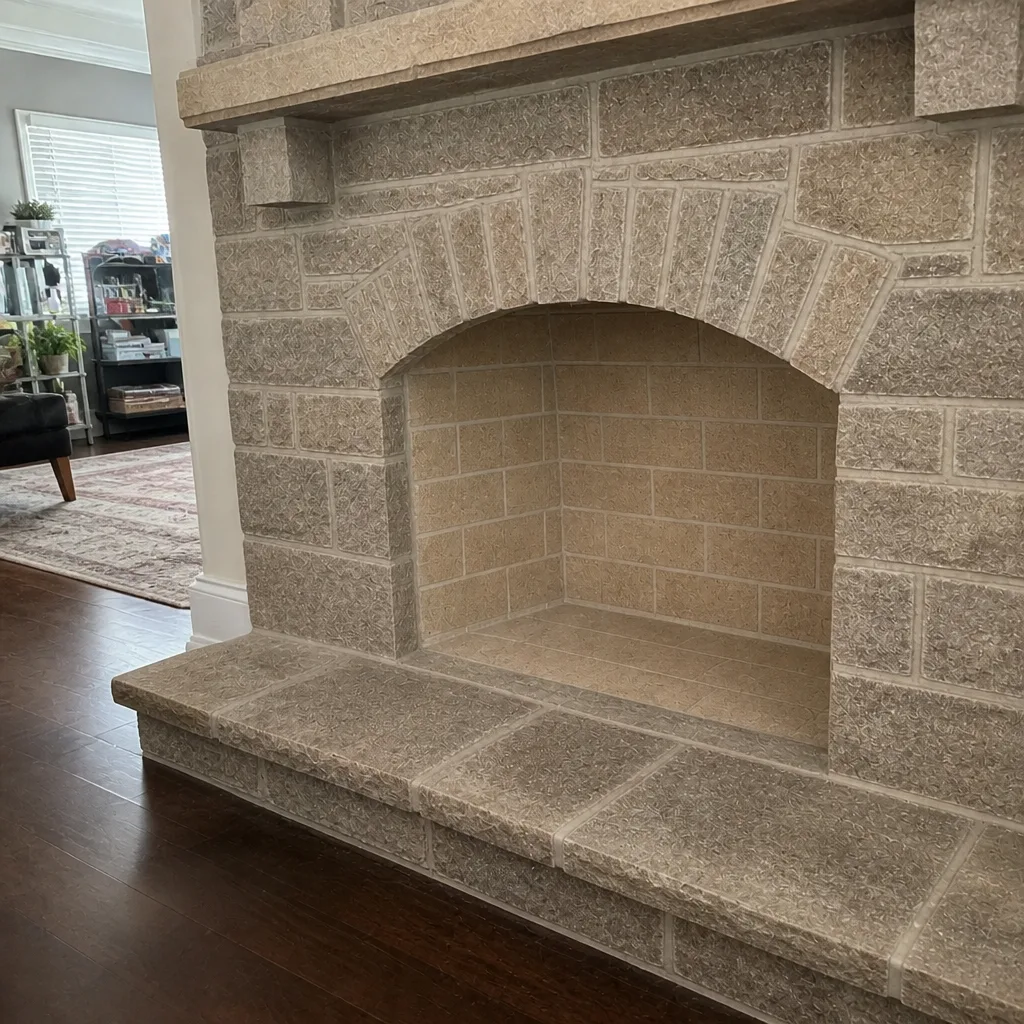
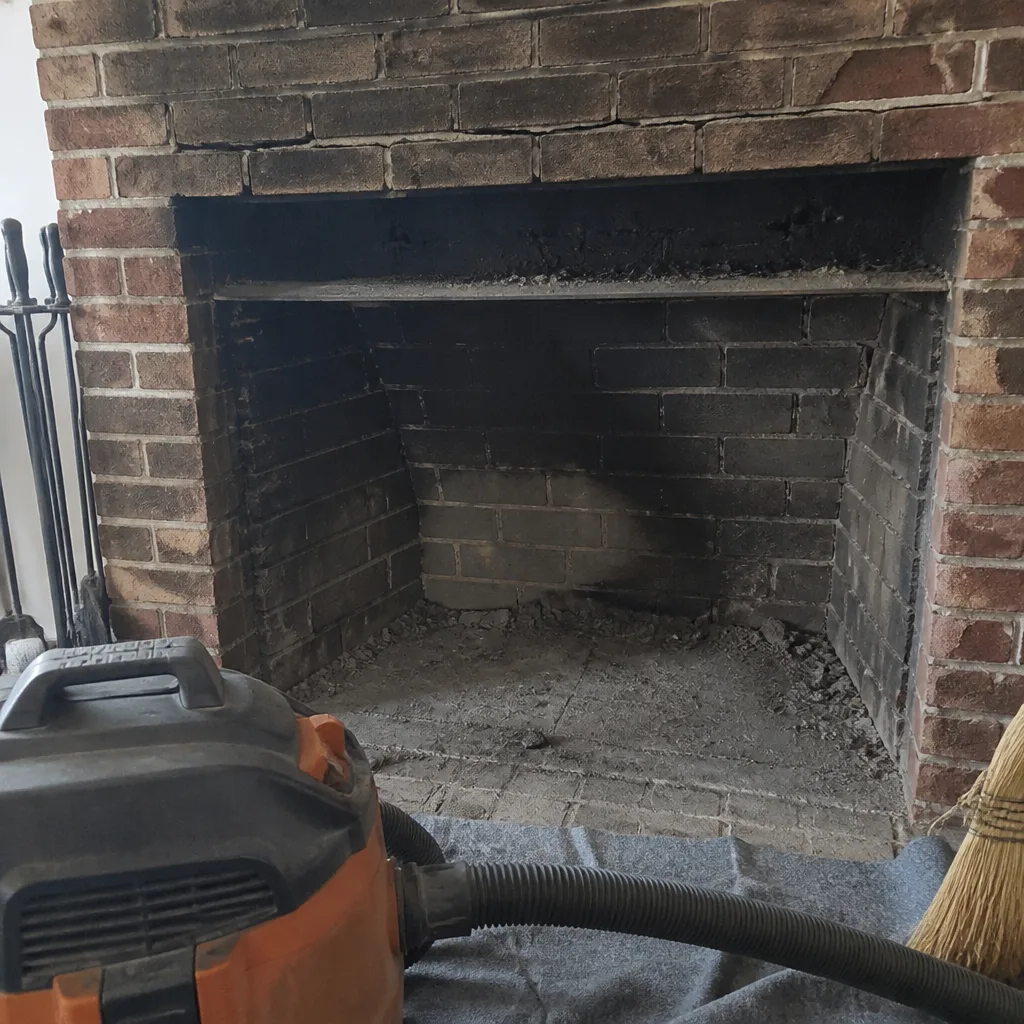
See the difference
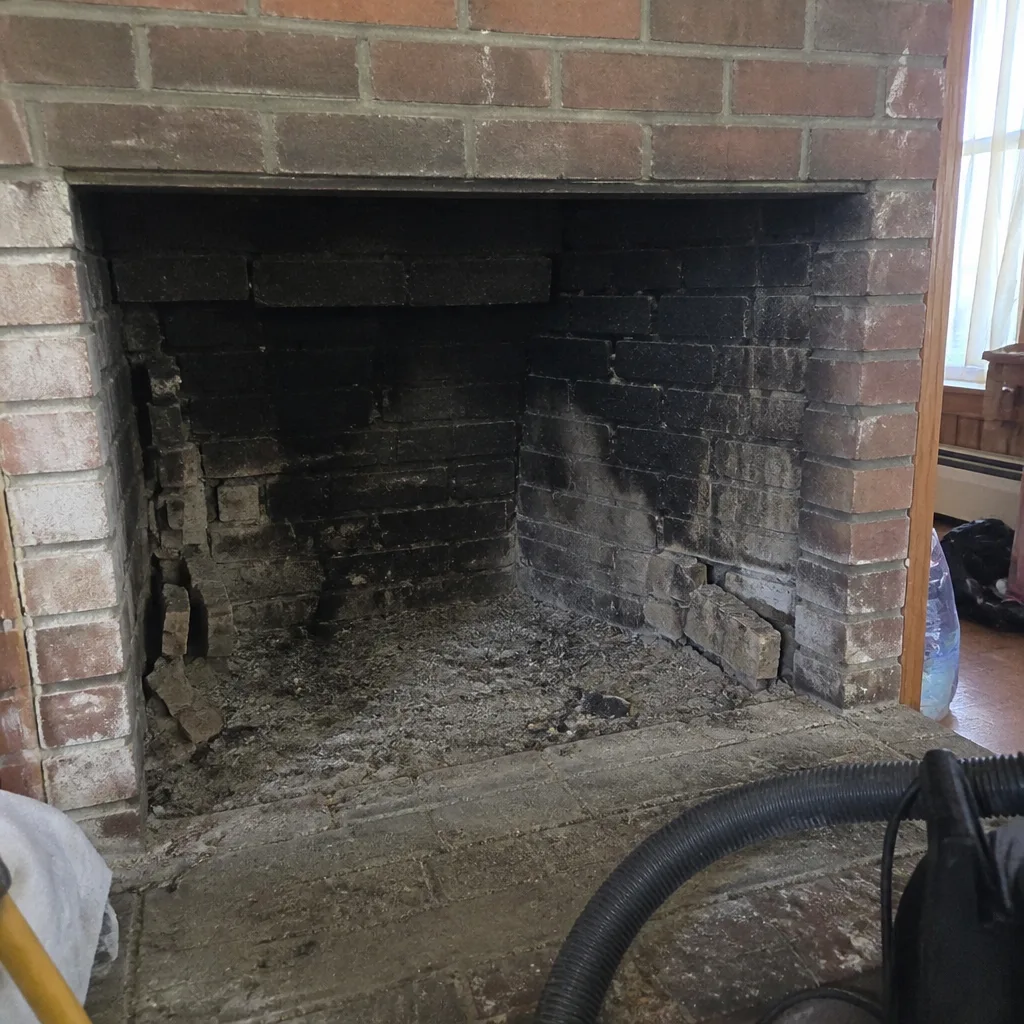 Before
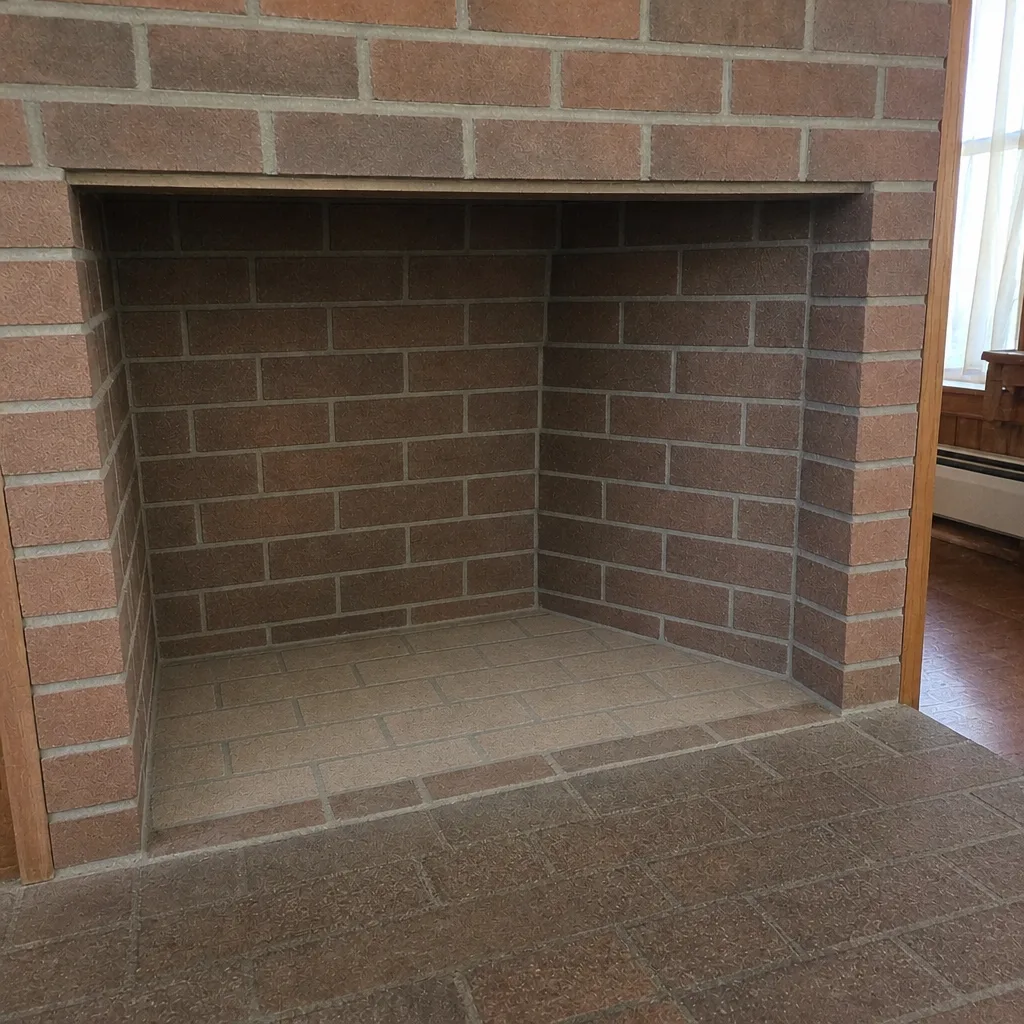 After
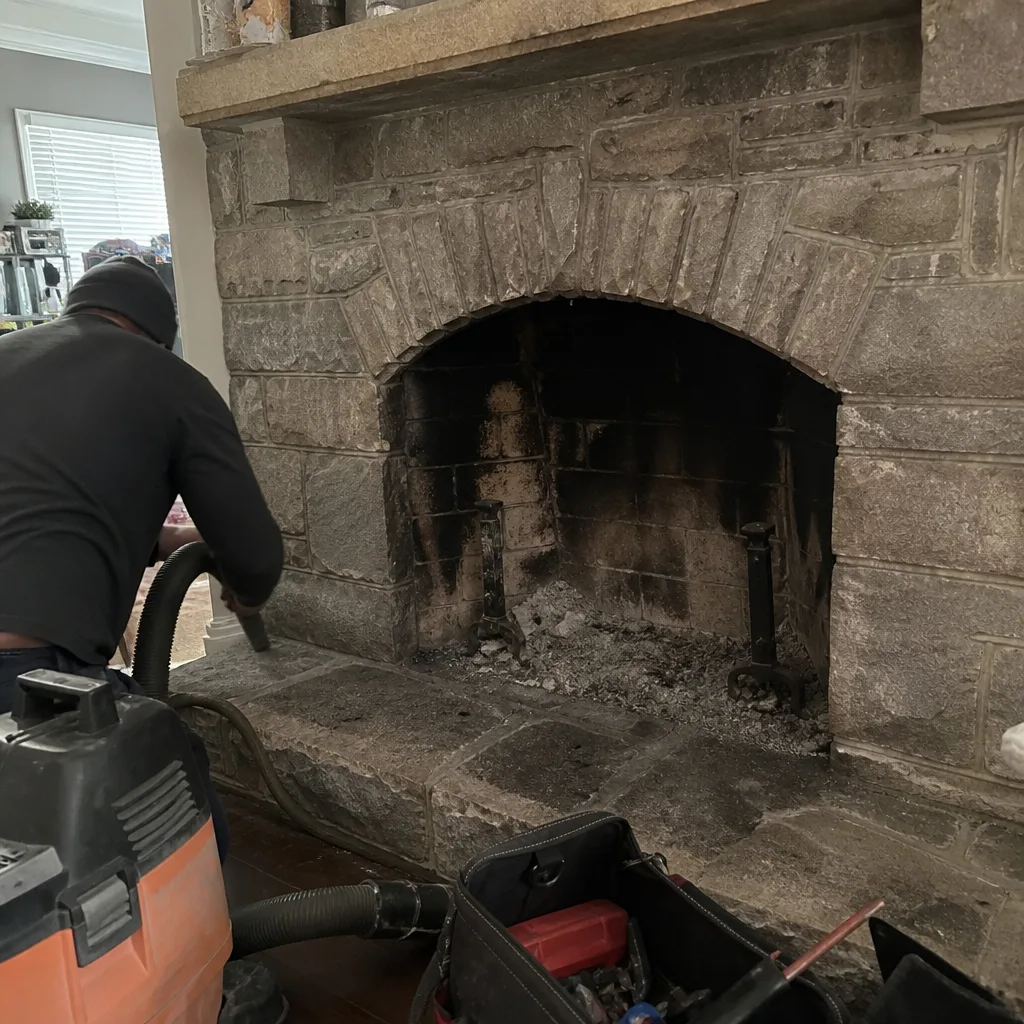 Before
 After
 Before
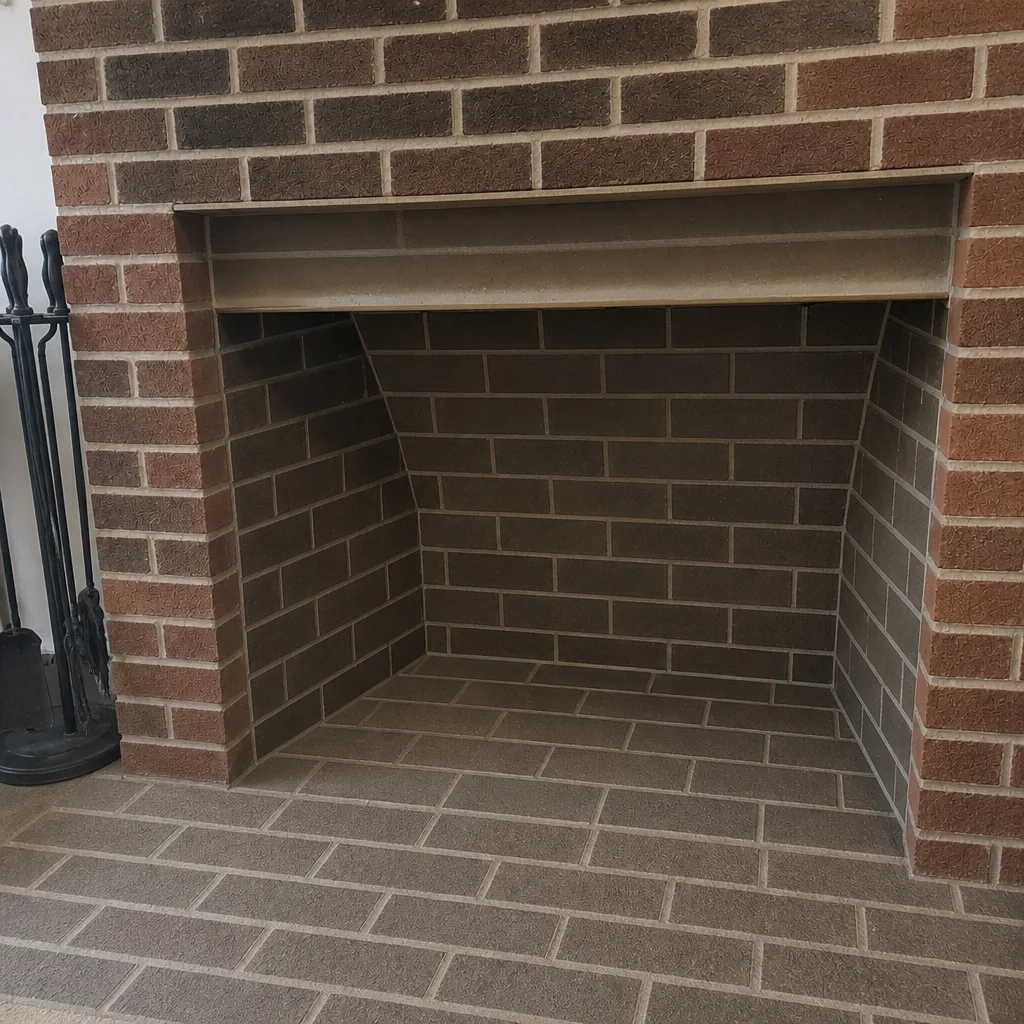 After
When to Call a Professional
Call a professional when it’s been more than a year since the last inspection, when you’ve had a chimney fire no matter how small, when you’ve changed appliances or fuel type, or when you’ve bought a home and don’t know the chimney’s history. Call when you see cracked masonry, spalling brick, or a crown that’s visibly damaged from the ground. Call when the fireplace smells of creosote on warm days, when smoke backs into the room, or when a carbon monoxide alarm has gone off and you need the chimney and venting checked. The urgency here is seasonal, not hourly: before burning season begins is the right time to get on the schedule, not the night the first cold snap arrives. Chimney Sweep Irving Park offers free estimates in Irving Park. Call (844) 625-7370. We answer 24/7. Fast dispatch from 7am to 7pm, Sunday through Friday.
Frequently Asked Questions
It depends on your chimney’s condition and what the inspection finds, and the written estimate sets the final price. A straightforward cleaning costs less than a job that turns up a cracked liner or a damaged crown. Call (844) 625-7370 for an exact quote. Estimates are free.
Only if the inspection shows the existing liner is cracked, missing, or unable to vent safely, and that should be documented with camera evidence you can see. If the liner is intact, a cleaning may be all that’s needed. Ask to see the photos before you decide. Call (844) 625-7370 to schedule an inspection with a written report.
Plan on an annual inspection, with cleaning as the findings dictate. The humid Piedmont climate means creosote can glaze faster than in drier regions, so the annual inspection is the check that catches build-up early. Call (844) 625-7370 to get on the schedule before burning season.
Creosote builds up, and in a humid climate that build-up can harden into third-degree glaze that doesn’t brush off. That glaze is the fuel for a chimney fire, and a cracked or damaged liner can let gases and heat reach the masonry. The risk is real, but the fix is usually straightforward when it’s caught early. Call (844) 625-7370 for a free estimate and a clear picture of where your chimney stands.
Yes. Cleaning and the standard inspection happen together, and if the findings call for a deeper look, the camera inspection is the next step. chimney sweep service starts with the inspection, not the brush. Call (844) 625-7370 to schedule. We answer 24/7. Fast dispatch from 7am to 7pm, Sunday through Friday.
Warm, humid air moving back down the flue draws the creosote smell into the house, and it’s a sign that creosote is present and the flue may need cleaning. It’s common in Irving Park’s humid summers. A cleaning and inspection will tell you what’s there. Call (844) 625-7370 for a free estimate.
The Bottom Line
Chimney cleaning in Irving Park is a full-system service, not a brush-and-go. The humid Piedmont climate makes creosote glaze faster and masonry deteriorate sooner, which means the inspection matters as much as the cleaning. A proper job covers the firebox, the flue, the liner, the cap, and the crown, and it ends with a report you can read and photos you can see. Whether you need cleaning alone, fireplace repair, or chimney cap & crown work, the recommendation should follow the evidence, not the other way around. Professional-grade materials, properly installed, are what make a repair last.
Call (844) 625-7370 for a free estimate. We answer 24/7. Fast dispatch from 7am to 7pm, Sunday through Friday.
Written by the team at Chimney Sweep Irving Park.