
Last updated November 24, 2026
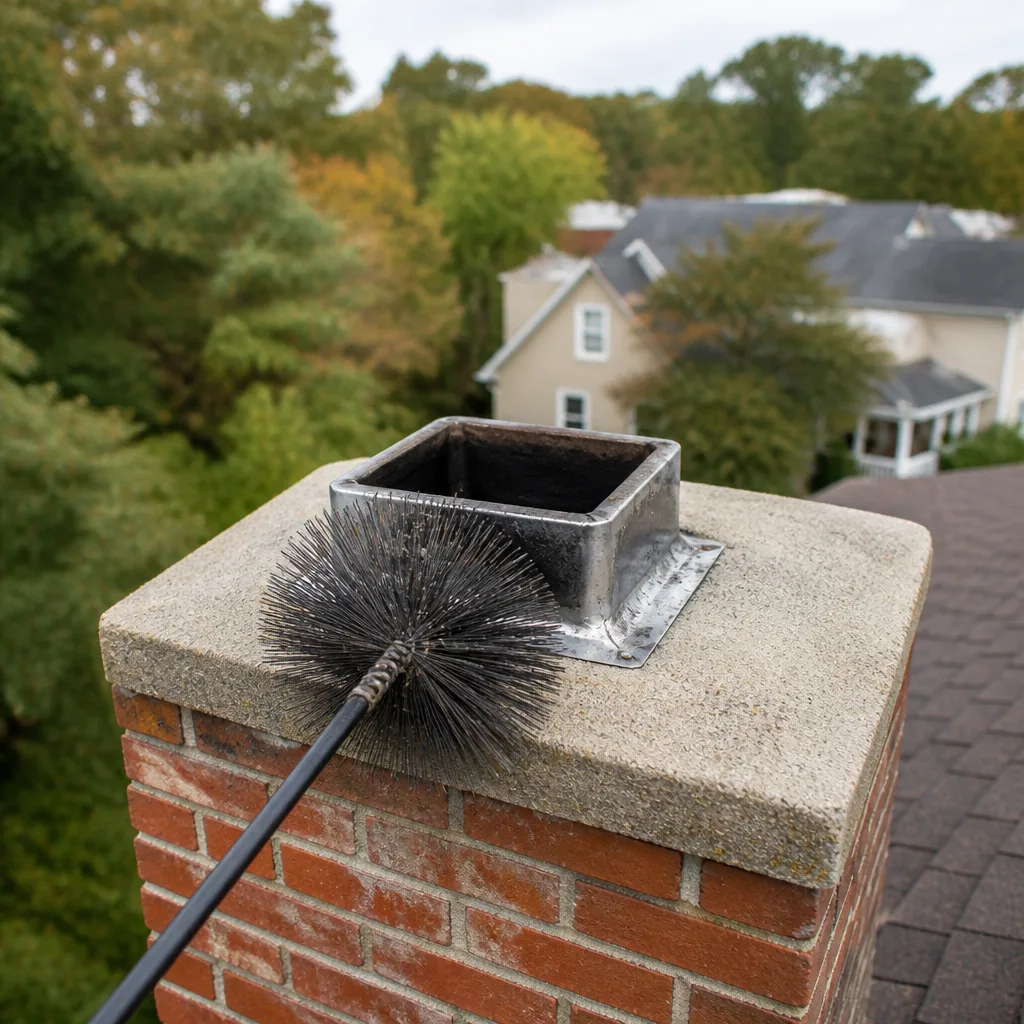 Sweep & inspection
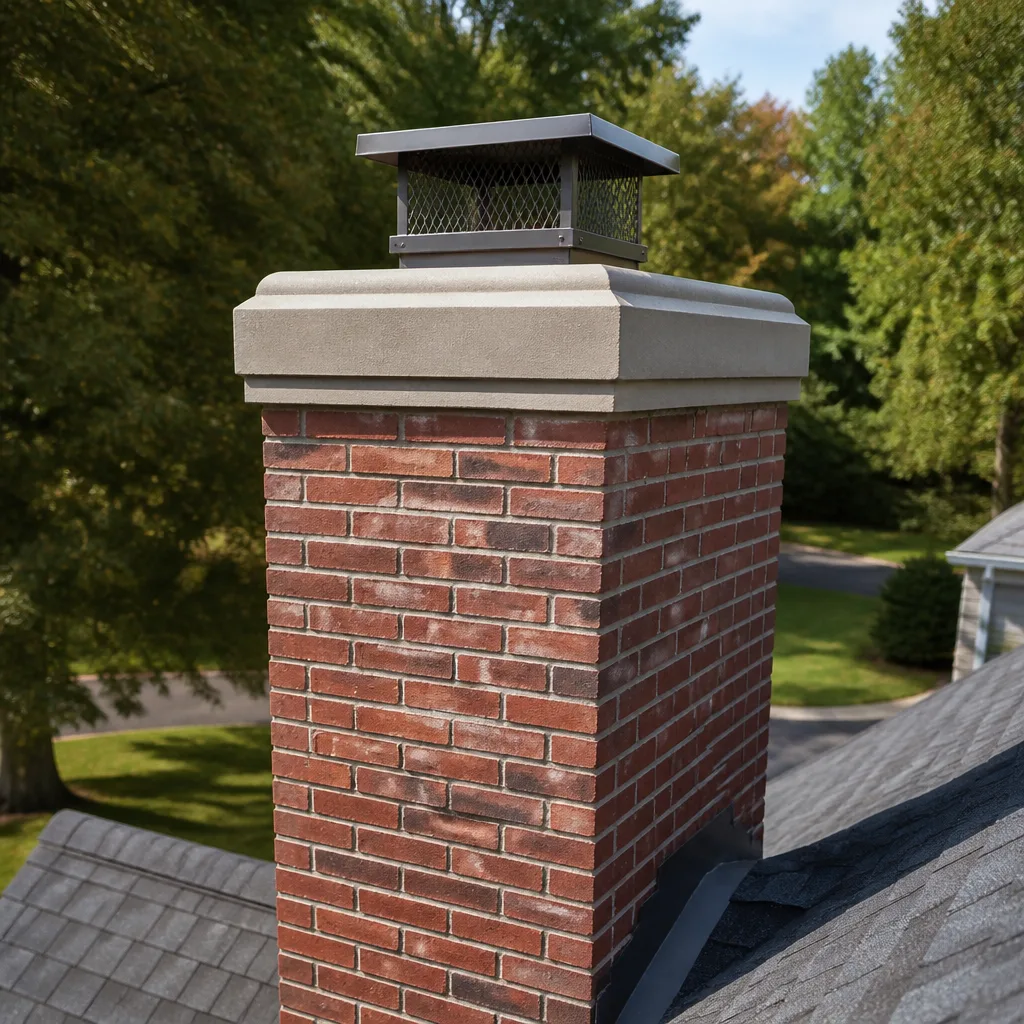 Caps & crowns
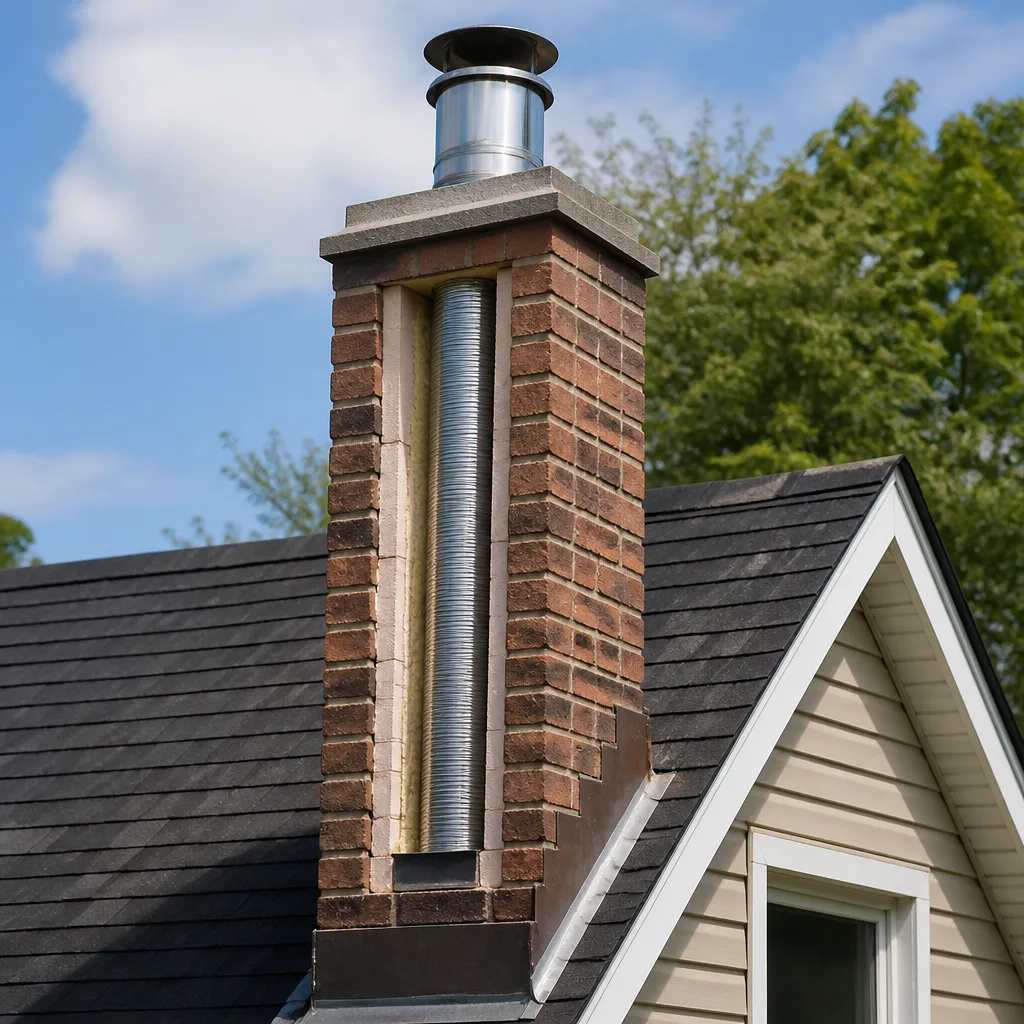 Flue relining
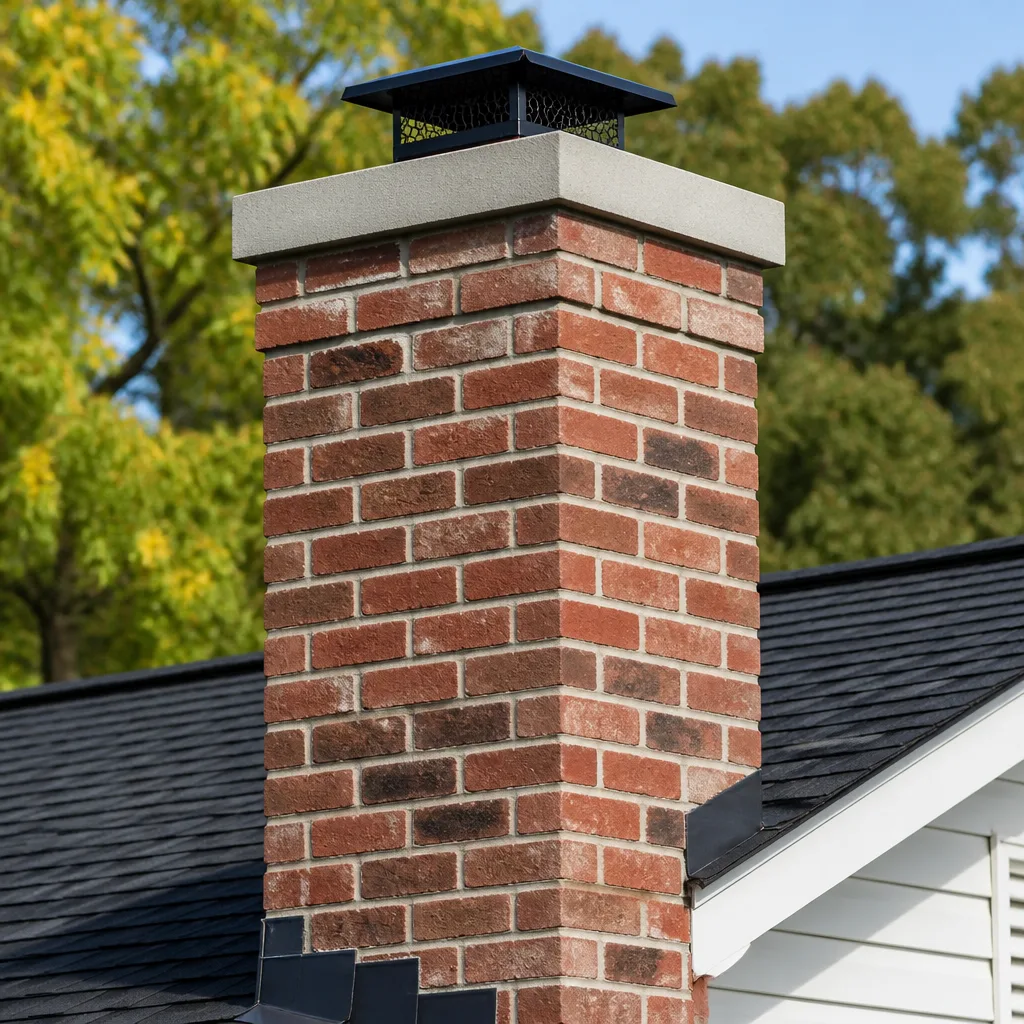 Masonry repair
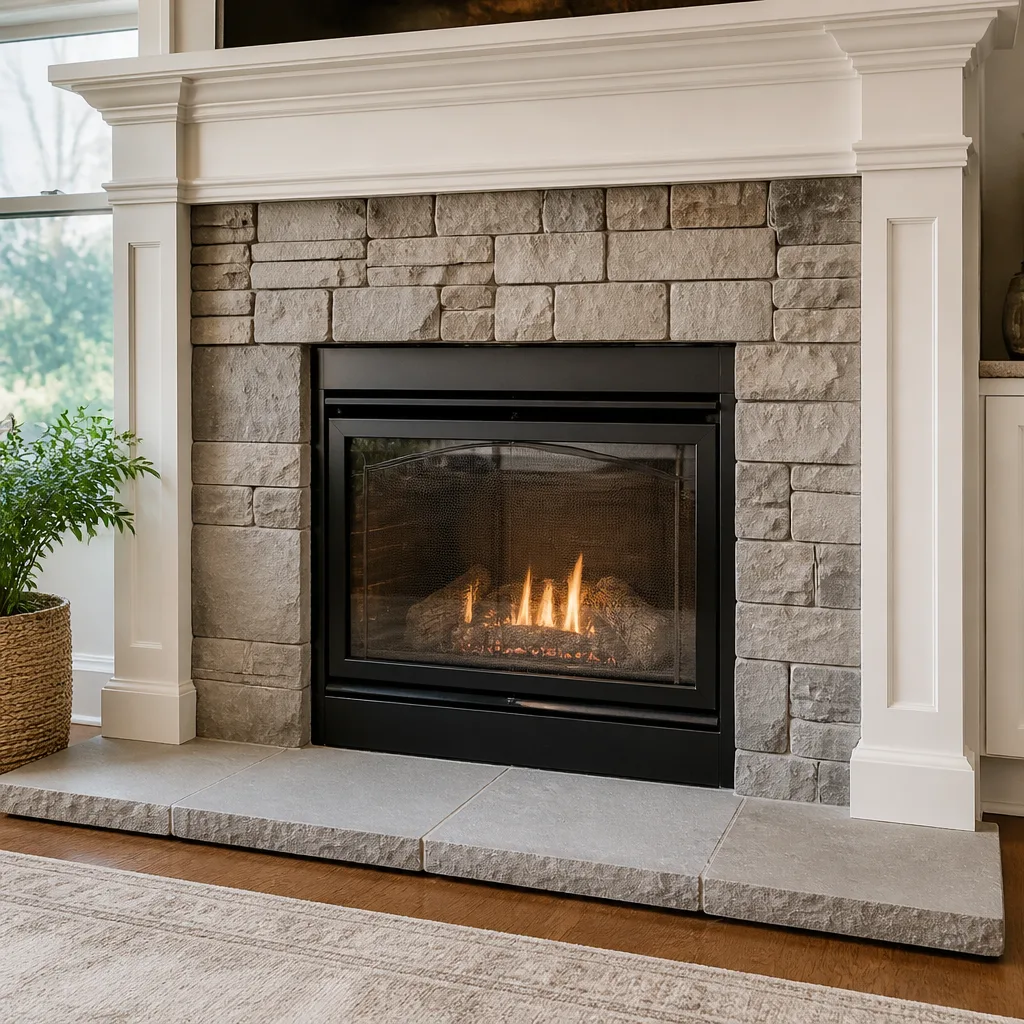 Gas fireplace service
Level 1 sweep and inspection to the NFPA 211 annual standard - flue, crown, cap, and flashing checked and photographed
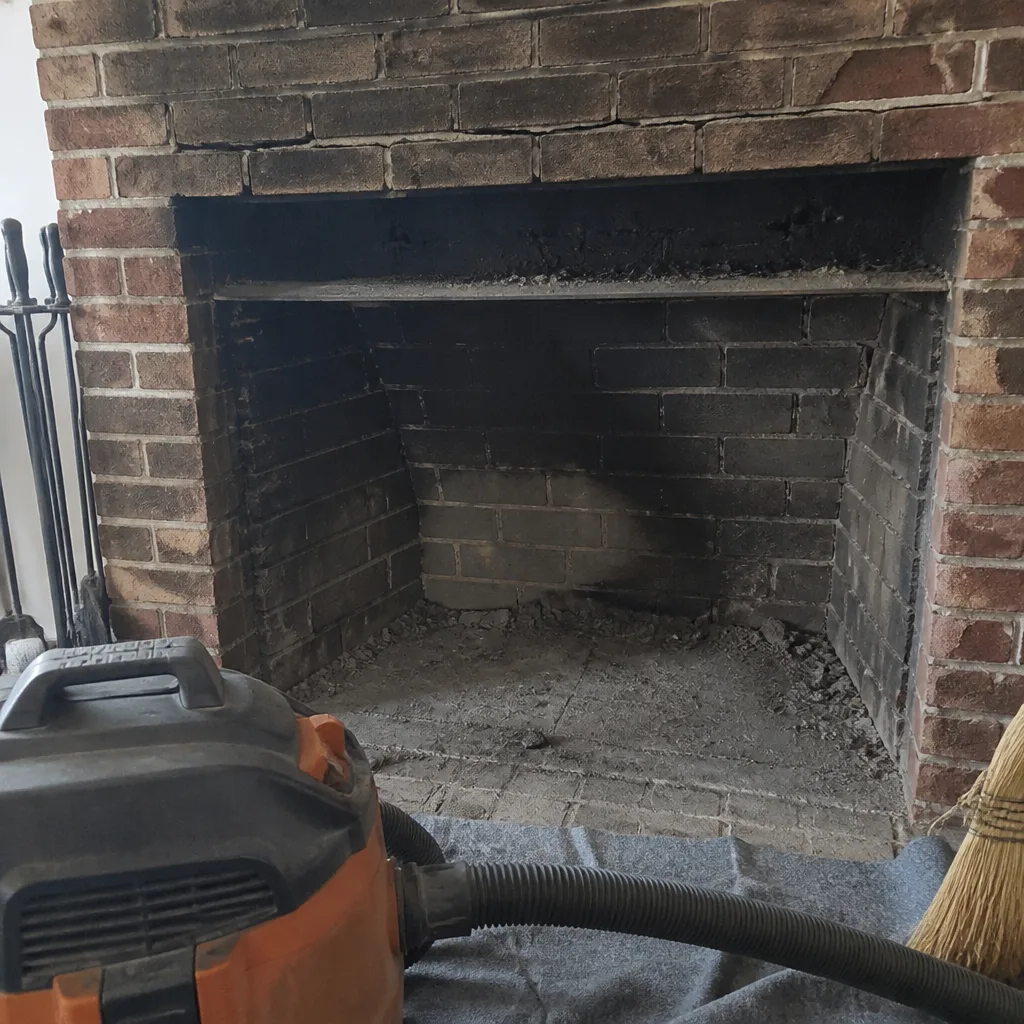
Chimney sweep logs do not sweep chimneys. They loosen some creosote - which then falls where a brush and vacuum still have to collect it.
Choosing the Right Chimney Cleaning Brand: A Buyer’s Guide for Irving Park
Most homeowners never think about the brand name inside their chimney until something goes wrong. The materials that line your flue, cap your crown, and seal your firebox are hidden behind brick and mortar, so the label on them feels like a detail nobody could possibly check. That is exactly backwards. The liner installed in your chimney today will outlast every other component if it’s installed correctly, or fail in five years if the product was low-grade and the installation cut corners. The brand name on the material is one of the few things you can verify before the job starts, and it tells you more about the contractor than any sales pitch. This guide explains the professional product lines used in serious chimney work in plain terms, so Irving Park homeowners can spot the difference between quality materials and cheap substitutes.
Quick Answer
The right chimney cleaning and repair brand is one that works with recognized professional-grade product lines like DuraFlex flexible liners, HeatShield resurfacing, and Copperfield caps, and that can show you the product data sheets before work begins. For Irving Park homes, ask any contractor which specific products they intend to install, request the manufacturer warranty paperwork, and treat a vague answer or a generic “we use the best stuff” reply as a red flag. Quality chimney materials are verifiable, and a contractor who uses them is never shy about naming them.
Styles & brands we work with
- Sweep & inspection
- Caps & crowns
- Flue relining
- Masonry repair
- Gas fireplace service
Table of Contents
- Why Chimney Brands Stay Invisible Until Something Fails
- What Each Major Professional Product Line Actually Does
- How to Ask a Contractor What Brand They’re Using
- What an Honest Answer Looks Like Versus a Deflection
- Why Professional-Grade Materials Cost More Upfront
- How Generic Materials Fail in North Carolina’s Climate
- What Materials Documentation You Should Expect
- Seeing the Whole System: Sweep, Repair, and Inspection Together
Why Chimney Brands Stay Invisible Until Something Fails
A chimney is a system that works because every part fits. The firebox holds the fire, the flue carries the smoke, the crown sheds water off the top of the brick, and the cap keeps rain and animals out. When the system is healthy, you never see it. That invisibility is why product brands stay out of homeowner conversations until a liner cracks, water stains the ceiling, or a contractor’s camera shows a wall of glazed creosote. By then, decisions get made under pressure.
In Irving Park and the surrounding neighborhoods, homes built in the mid-twentieth century are now old enough that their original clay tile flues are showing their age. Tiles crack and separate. Mortar joints erode. When that happens, a liner or resurfacing product goes inside the chimney, and the brand of that product determines how long the fix lasts.
Here’s the point most buyers miss. The cleaning, the inspection, and the materials decision are not separate events. A sweep who cleans your flue and then recommends a liner is making a product recommendation on the same visit. If that sweep only carries one brand, or worse, an unmarked generic, you have no way to compare. Understanding the major professional lines ahead of time puts you back in control of the conversation.
The stakes are real in two different categories. Combustion safety covers what goes up the flue: creosote, carbon monoxide, and smoke. Structural integrity covers what happens to the brick and mortar: water intrusion, crown failure, and cap damage. A serious chimney contractor handles both, because a beautiful firebox means nothing if the crown above it is crumbling. When you start reading about products, you’re really reading about which of those two failure categories each material is built to prevent.
What Each Major Professional Product Line Actually Does
Professional chimney suppliers exist in a smaller world than most trades. A handful of manufacturers make the products that serious contractors install, and each one fills a specific role. Knowing that role helps you understand what a fair proposal looks like.
DuraFlex: Flexible Relining
DuraFlex is a flexible stainless steel liner system. When an original clay flue has cracked, separated, or is simply too large to draw smoke properly, a flexible liner drops down the chimney and creates a new, smooth, correctly sized flue inside the old one. Flexibility matters because most chimneys in older Irving Park homes have offsets, bends, and irregularities that rigid pipe can’t navigate cleanly. A professional liner is sized to the appliance. A generic liner bought by the foot at a hardware store is not.
HeatShield: Resurfacing Rather Than Rebuilding
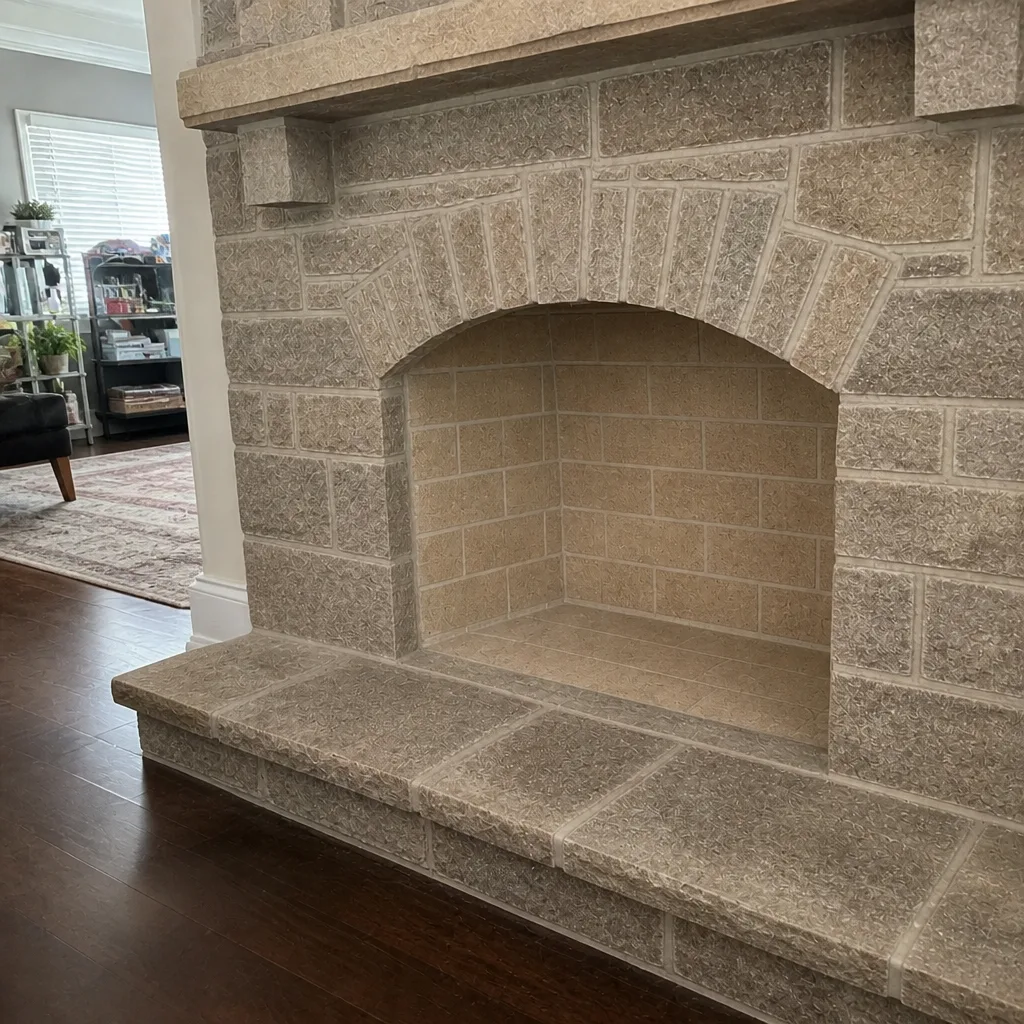
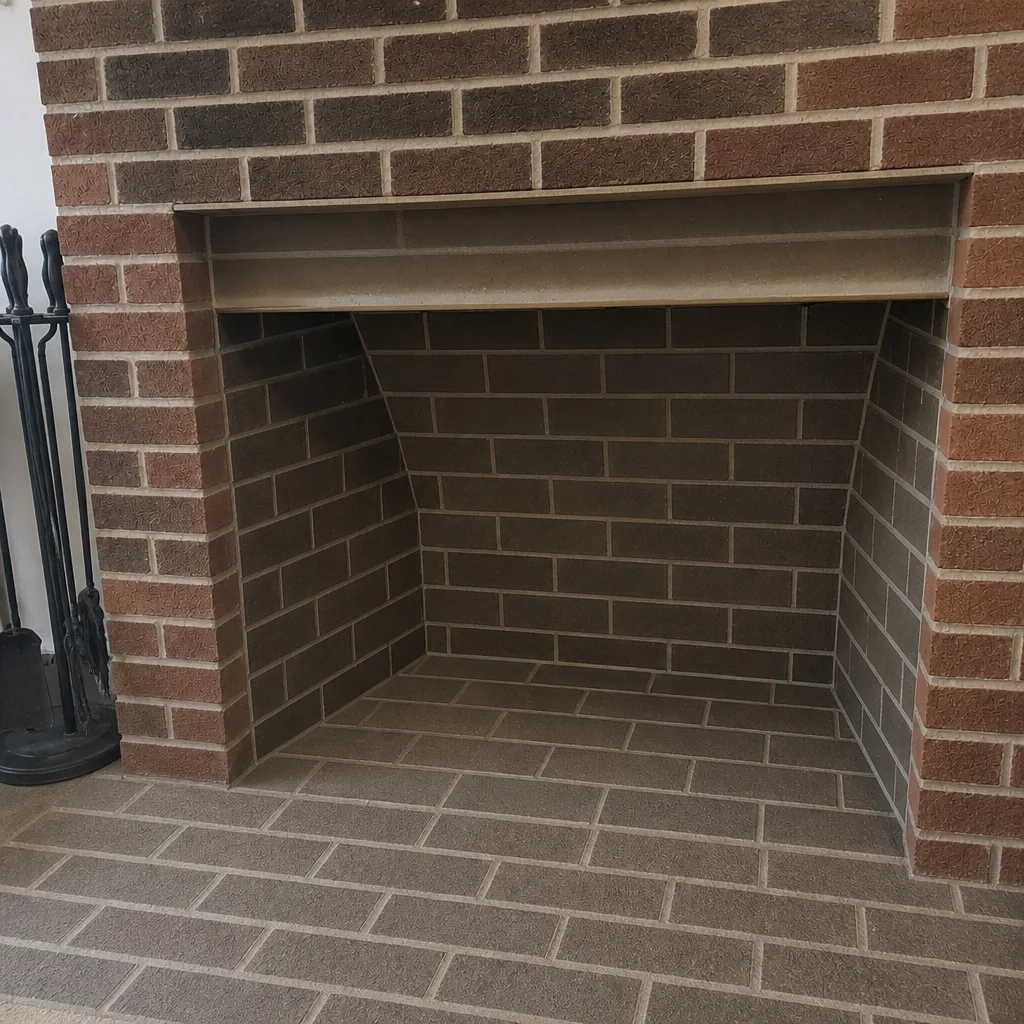
HeatShield is a repair-grade resurfacing product used for fireboxes and flue interiors. When the mortar joints between clay tiles have eroded but the tiles themselves are sound, HeatShield can restore the joint structure instead of tearing out and rebuilding. This is technically demanding work, and that’s the tell. Many sweep-only companies cannot apply it, which is why resurfacing capability signals a contractor who understands repair, not just cleaning. It’s also a product line you won’t find through DIY channels, so a homeowner cannot shortcut it.
Copperfield and Olympia Chimney: Caps and Venting Components
Copperfield and Olympia Chimney are two of the most widely distributed professional chimney supply lines in the trade. Copperfield is known for caps, and especially for copper caps that fit precisely and age well. Olympia provides venting and component systems that let a contractor match the right cap to the right flue. That last point matters more than it sounds. A cap chosen for looks alone can restrict draft, and a cap that’s too loose fits badly and lets water in. Professional-grade caps are selected for the flue they’ll sit on, not grabbed off the nearest shelf.
Gelco: Precise Cap Fit
Gelco caps round out the picture for custom and stock cap fits. A contractor who works across multiple cap manufacturers, including Gelco, has more options to match a cap to an unusual flue size or a crown that needs attention. Precision cap selection is a small detail and a big difference over the life of a chimney.
How These Fit Together
- Inspection identifies which parts of the system are failing: flue, firebox, crown, or cap.
- The flue may need lining (DuraFlex) or joint resurfacing (HeatShield).
- The top of the chimney may need a properly sized cap (Copperfield, Gelco, or Olympia components).
- The crown and brickwork may need repair to keep water out.
- The firebox may need repair if firebrick or mortar has deteriorated.
A contractor who works across those lines can address all five in one scope. One who handles only cleaning will hand you off, and handoffs create gaps where small problems grow.
How to Ask a Contractor What Brand They’re Using
You don’t need to be an expert to ask a good question. You need to know what a straight answer sounds like. These are the questions worth asking before any chimney work is scheduled in Irving Park.
- “Which liner system will you install, and who makes it?” A professional names the brand without hesitation. DuraFlex is a common answer. “A stainless liner” with no maker is not.
- “Will you be resurfacing or relining, and why?” The answer should reference what the camera showed you, not what the contractor prefers to sell.
- “What cap are you putting on, and how did you size it?” The correct answer includes the flue size and the cap’s purpose, not just the color.
- “Can I see the product data sheet?” Every professional-grade material has one. Ask for it.
- “What does the manufacturer warranty cover, and who holds it?” Serialized products and transferable warranties are the norm with major lines.
These questions take two minutes to ask and are hard to fake. A contractor who uses professional-grade materials has answers ready because the answers matter to them. Call Chimney Sweep Irving Park and we’ll walk you through exactly what we intend to install and why. We answer 24/7. Fast dispatch from 7am to 7pm, Sunday through Friday.
Our technicians have up to 8 years of experience, and they’ve learned that homeowners who ask the brand question tend to catch the small problems earlier. That’s not because they’re suspicious. It’s because knowing what’s going into the chimney makes it easier to trust the work.
What an Honest Answer Looks Like Versus a Deflection
The gap between a quality contractor and a low-bid one usually isn’t in what they say. It’s in whether they answer. Here’s how to tell them apart in Irving Park.
An honest answer sounds like this:
- “Your flue is 8 by 13 clay tile with two offsets. We’ll use a DuraFlex liner sized for the appliance, and here’s the data sheet.”
- “The joints in the upper section have eroded but the tiles are intact, so we’d recommend HeatShield resurfacing rather than a full reline. Here’s what the camera saw.”
- “Your cap is undersized for the flue. We’d fit a Copperfield cap that matches the opening, and here’s the sizing.”
- “Here’s the warranty paperwork. It’s registered to the address, and here’s how it transfers.”
A deflection sounds like this:
- “We use the best materials on the market.” Which ones? If they can’t name them, they don’t work with them consistently.
- “You don’t need to worry about the brand, we guarantee our work.” A guarantee without a product name is an empty promise.
- “Everybody uses the same stuff.” They don’t, and the difference shows up six or eight years from now.
- “We’ll figure the cap out on the day.” A cap that’s chosen on the day is usually a cap that was already on the truck.
- “The brand doesn’t matter, the installation does.” Both matter, and a professional will tell you so.
The signature of an honest answer is specificity. It names products, sizes, and documentation. A deflection is generic because there’s nothing specific to name. In our experience, the contractors who can answer the brand question are also the ones who take their time on the inspection and write clear reports. It’s the same habit of mind.
The reader’s real worry is being told they need thousands of dollars of work they have no way to verify. It’s a fair worry, and the answer is simple: nothing should be recommended without camera evidence you can see for yourself. If a chimney genuinely doesn’t need work yet, a professional will say so plainly and let you schedule the next inspection down the road.
Why Professional-Grade Materials Cost More Upfront
Professional-grade chimney materials cost more on the invoice. The gap is real, and it buys something specific: service life, warranty coverage, and a paper trail you can hand to a future buyer. A cheap liner saves money on the day and can cost more over the years, because the failure modes of low-grade materials happen sooner and often take surrounding masonry with them.
Here’s how to think about the difference in plain terms.
- Service life: A properly sized professional liner from a recognized maker is designed to last the life of the chimney when installed correctly. A generic liner may fit the flue poorly, creating turbulence, condensation, and premature corrosion.
- Warranty: Major product lines carry manufacturer warranties with serialized documentation. A generic material often has no meaningful warranty behind it, or one that is not transferable.
- Installation method: Professional systems come with install requirements, including insulation, clearances, and connection details. A contractor who follows those requirements produces a system that meets code. A contractor who skips them produces a liner that works for a while and then doesn’t.
- Resale value: A documented professional install is an asset at sale. An undocumented generic install can become a negotiation problem.
- Structural protection: HeatShield resurfacing and a properly sized cap prevent water and joint erosion from progressing. Generic patches don’t address the underlying cause.
None of that means you should spend more than the work requires. It means the materials decision should be made on facts, not on the size of the line item. The written estimate sets the final price, and the estimate should name the products, the sizes, and the warranty on the page. If it doesn’t, ask for a revised estimate before you sign anything.
When you’re ready to talk through options, chimney sweep service starts with an inspection that documents what’s there. Call (844) 625-7370 for a free estimate. We answer 24/7. Fast dispatch from 7am to 7pm, Sunday through Friday.
How Generic Materials Fail in North Carolina’s Climate
North Carolina’s climate is hard on chimneys in a way homeowners don’t always expect. Summers are humid. Winters cycle between freezing and thawing. Spring and fall bring heavy rain. That combination is a patient enemy of any material that wasn’t designed for it, and it exposes cheap substitutes faster than a dry climate would.
Here’s what happens to generic or hardware-store chimney materials in this climate.
Poorly fitted caps
A cap that doesn’t match the flue lets rain and snow in and lets animals and debris down. Water in the flue combines with creosote and accelerates corrosion. In Irving Park’s wet season, a badly fitted cap can turn a small problem into a structural one within a few years.
Generic crown patches
The crown is the concrete cap on top of the brick. A generic mortar patch over a failing crown cracks again the first winter because it doesn’t flex with the masonry. Each freeze pushes the crack wider. Water gets into the brick, and brick that stays wet through a North Carolina winter spalls and cracks.
Undersized or oversized liners
A liner sized for the wrong appliance draws poorly in warm months and can collect creosote faster. In a humid climate, the wrong-sized liner also condenses more, which rusts the steel from the inside.
Generic mortar in fireboxes
Firebox mortar sees high heat and must be rated for it. Ordinary mortar breaks down, and once joints open, water and heat work on the firebrick from two directions. Resurfacing products like HeatShield exist precisely because the firebox needs a repair-grade material, not a patch.
Cheap caps with no airflow design
A cap that blocks draft causes smoke to back up into the room and can exaggerate creosote formation. Professional caps are chosen with airflow in mind, which is why brand and sizing go together.
The common thread is that every one of these failures has an early, visible warning. Your chimney will usually tell you something is wrong before it becomes expensive. That’s one reason we always inspect before we recommend: it’s better to spend a few minutes catching a failing cap than to spend a season repairing brickwork below it.
What Materials Documentation You Should Expect
Documentation is the part of the conversation most homeowners skip. It’s also the part that separates a well-run chimney job from one that leaves you guessing. A serious proposal in Irving Park includes the following, and every item is easy to check.
- Product data sheets. Every professional-grade product has one. Ask for it before you approve the job. It lists the maker, the model, the rated application, and the installation requirements.
- Written warranty documentation. Manufacturer warranties should be described in the proposal, and you should get the paperwork at completion. Itemized coverage beats a verbal promise.
- Installation method described in the estimate. The estimate should say what will be installed, how, and why. “Install new liner” is not enough. “Install DuraFlex liner sized for the appliance, insulated per manufacturer requirements” is.
- Photo report from the inspection. Pictures of the flue, firebox, crown, and cap show what was found. You should be able to look at them and see the same thing the contractor saw.
- Serialized product numbers where the maker provides them. These make the warranty traceable and let a future inspector identify the material.
- A clean scope with no gaps. If the crown needs repair, the proposal should say so. If the cap is fine, the proposal should say that too.
We offer chimney inspection as a standalone service, and the report is yours. If you’re in the middle of a real estate transaction or an insurance review, the same documentation is useful to have on hand. The record protects you years from now and gives any future contractor a starting point.
When it’s time to schedule, chimney cap & crown work is one of the most common scopes we see, and a properly sized, professionally installed cap is one of the highest-value fixes in the trade. Call (844) 625-7370 for a free estimate. We answer 24/7. Fast dispatch from 7am to 7pm, Sunday through Friday.
Seeing the Whole System: Sweep, Repair, and Inspection Together
The brand question is the entry point. The deeper point is that a chimney is one system, and a contractor who can see the whole thing produces a better fix than a contractor who sees one slice of it.
We approach every chimney from the firebox to the crown. That means five categories of work in one scope: chimney sweeping, chimney inspection, fireplace repair, chimney cap and crown installation, and chimney repair. We work with DuraFlex, HeatShield, Gelco, Olympia Chimney, Famco, and Copperfield because those are the professional lines serious contractors already rely on.
There’s a practical reason for one contractor to hold the whole scope. When you need a reline, a fireplace repair, and a new cap on the same chimney, a handoff between three parties creates timing gaps and accountability gaps. Nobody owns the final result. One contractor for the sweep, the repair, and the inspection means the inspection report drives the repair plan, and the repair plan drives what goes into your chimney.
Safety belongs in this conversation too. Creosote buildup is the leading cause of chimney fires, carbon monoxide is a real hazard when a flue is blocked or damaged, and a liner or cap that isn’t installed correctly can make those risks worse. None of that is a reason to panic. It’s a reason to have the work done by someone working with materials that meet the spec.
If your chimney needs more than a sweep, fireplace repair is the next step for firebox and hearth concerns. In Irving Park, we see a lot of older homes where a firebox looks fine from the room but shows cracked joints when the camera goes in. That’s the case for working with careful materials and careful inspections at the same time.
Common Mistakes to Avoid
- Accepting “we use the best materials” as an answer. Every contractor says this. A professional names the brand, the model, and the warranty. If the answer is generic, ask again.
- Choosing the low bid without asking what’s inside it. A lower number often means a generic liner, a hardware-store cap, or a mortar patch that won’t survive an Irving Park winter. Compare the materials, not just the total.
- Skipping the cap. A cap is one of the cheapest parts of the system and one of the most important. Water intrusion through an uncapped flue is the most common cause of premature masonry failure in this climate.
- Treating the inspection as optional. A sweep without an inspection is a cleaning without a diagnosis. The inspection is what tells you whether the flue is sound or whether it needs a liner.
- Not asking for the product data sheet. If the contractor can’t produce one, you can’t verify the product. Data sheets are standard on professional-grade materials.
- Ignoring the crown. The crown sheds water off the chimney. When it’s failing, the water path is straight into the brick. Patching with generic mortar delays the problem and makes it worse.
- Using a handyman for a chimney. Chimney work spans combustion safety and structural masonry, and both demand the right materials. A general handyman may install a cap or a patch and leave the flue untouched.
See the difference
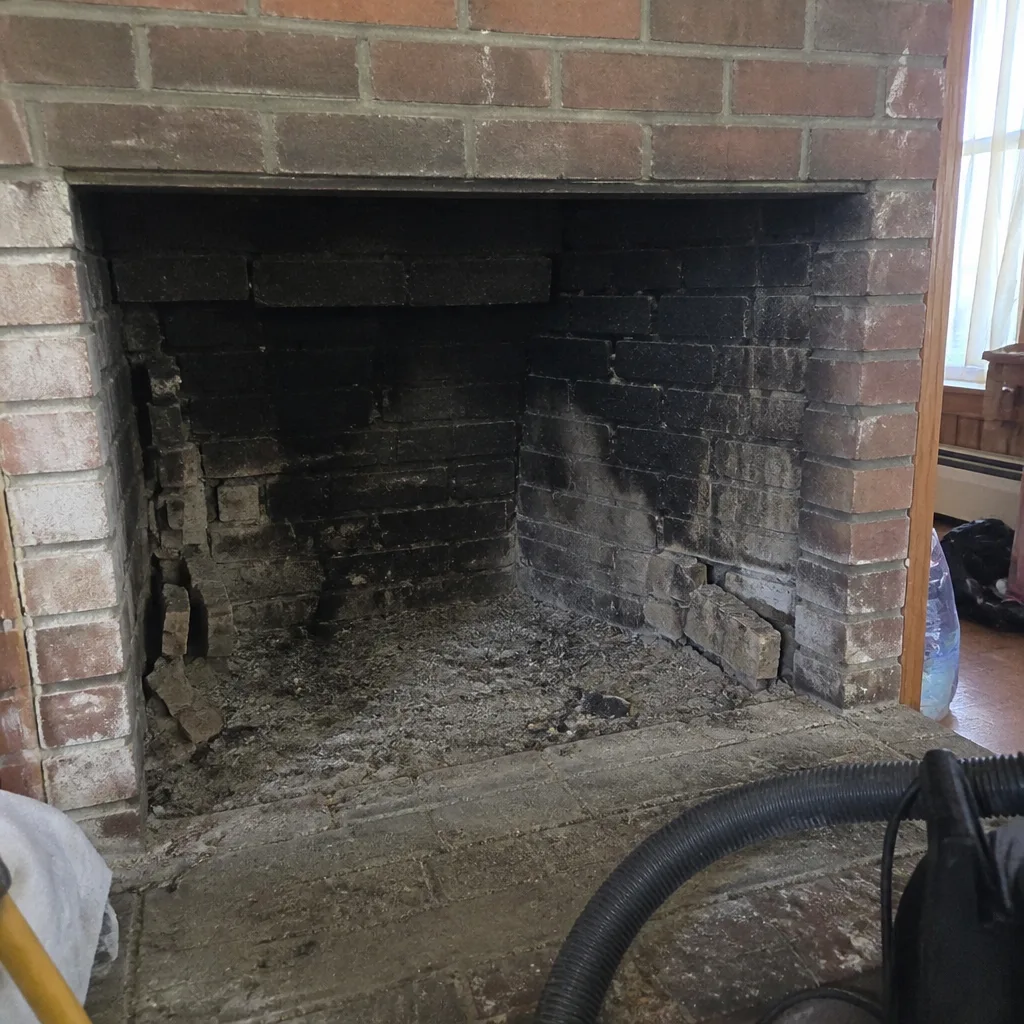 Before
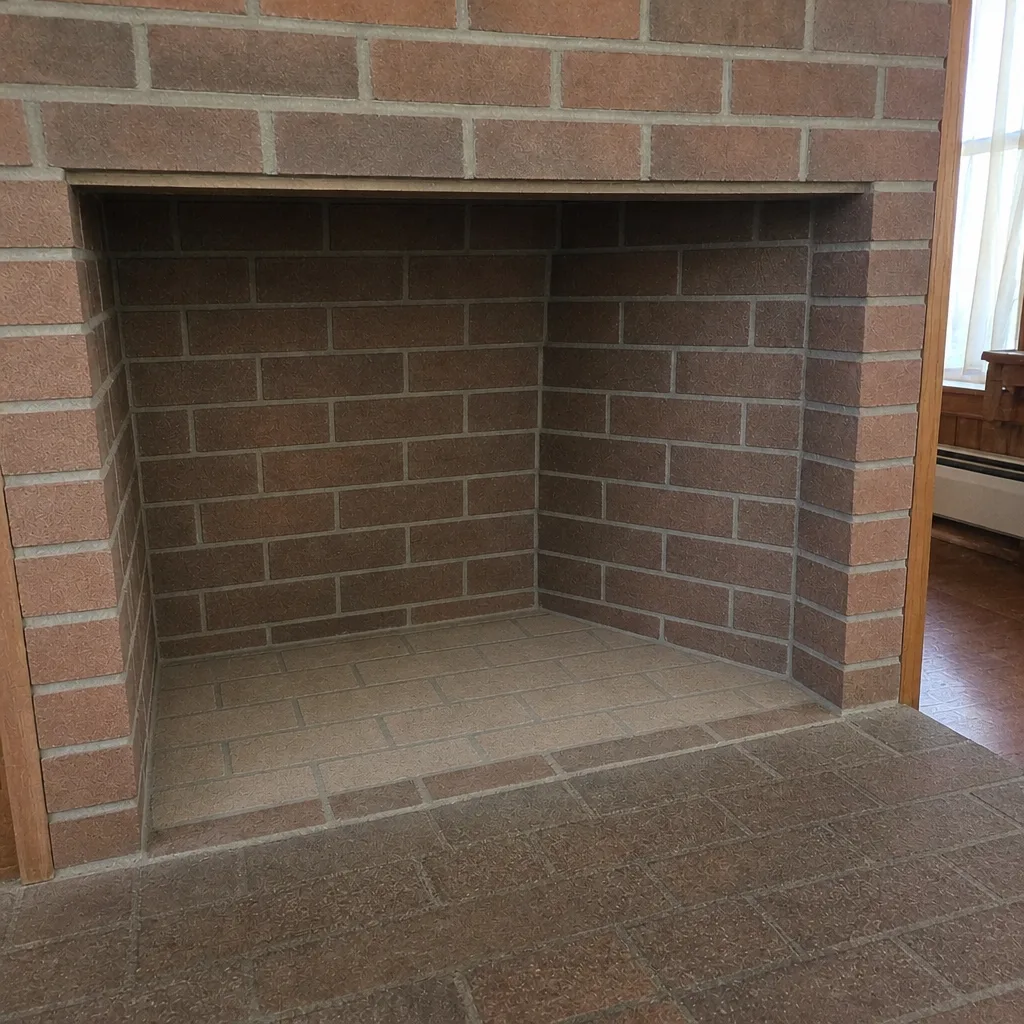 After
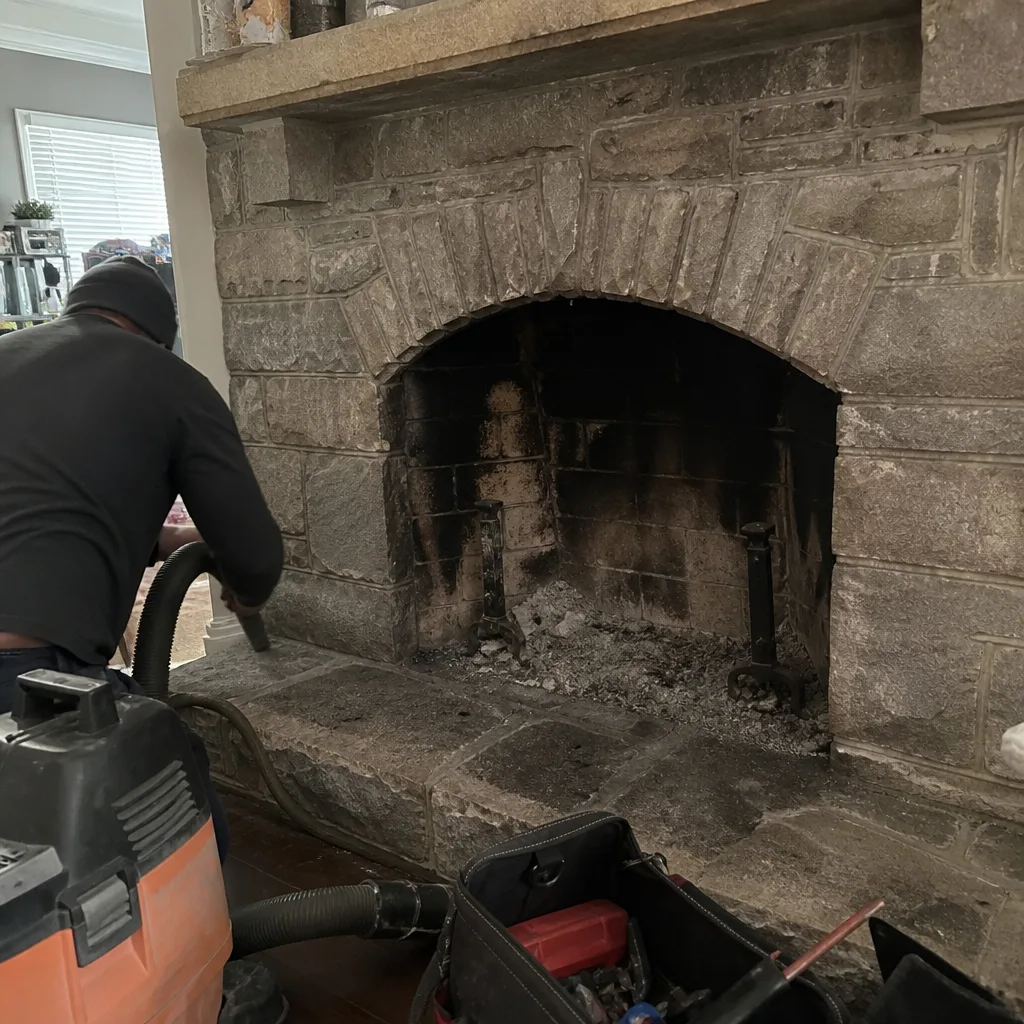 Before
 After
 Before
 After
When to Call a Professional
Call a professional for anything involving the flue, the firebox, the crown, or the cap. Those are the parts of the system where a small error becomes a large one. The specific triggers are easy to recognize: smoke coming back into the room when the fire is lit, a strong creosote smell even when the fireplace is cold, water stains on the ceiling or on the chimney breast, crumbling mortar at the crown, a cap that’s loose or missing, or a chimney that hasn’t been inspected since you bought the house.
We also get calls from Irving Park homeowners who are simply buying an older house and want to know what’s there. That’s the right instinct. An inspection before closing gives you a documented starting point and can change what the seller agrees to fix. Chimney Sweep Irving Park offers free estimates in Irving Park. Call (844) 625-7370. We answer 24/7, with fast dispatch from 7am to 7pm, Sunday through Friday.
Frequently Asked Questions
The most widely used professional lines include DuraFlex for flexible relining, HeatShield for firebox and flue resurfacing, and Copperfield, Gelco, and Olympia Chimney for caps and venting components. A professional contractor can name the specific products they intend to install and hand you the data sheets. If a contractor can’t name the brand, that’s your answer. Call (844) 625-7370 for an exact quote – estimates are free.
Yes. The brand of liner determines the rated service life, the warranty, and whether the installation follows a defined method. A generic liner may fit poorly, which causes condensation and premature corrosion in North Carolina’s humid climate. A professional liner from a recognized maker is sized for your appliance and documented. The written estimate sets the final price, so make sure it names the product.
Ask for the product data sheet, the manufacturer warranty description, and an installation method written into the estimate. At completion, ask for the serialized product numbers where the maker provides them. A professional contractor will have all of this ready. A contractor who deflects the question isn’t working with a professional supply line. Call (844) 625-7370 and we’ll walk you through what we intend to install.
It depends on what the inspection shows. If the clay tiles are cracked or separated, a flexible liner is usually the right fix. If the tiles are intact but the joints have eroded, HeatShield resurfacing can restore the joint structure without a full reline. Nothing should be recommended without camera evidence you can see. If the flue is sound, a sweep and an inspection may be all you need.
North Carolina’s climate cycles through humid summers, wet springs and falls, and freezing winters. That pattern puts water into brick and mortar repeatedly and cracks generic products that weren’t designed for it. A generic crown patch, a poorly fitted cap, or an undersized liner fails sooner here than it would in a drier climate. Professional-grade materials are engineered for this cycle.
An annual inspection is standard practice, and a sweep whenever creosote buildup warrants it. Homes that burn regularly will often need a sweep every year. Homes that burn occasionally may need it less often, but the inspection still matters because structural problems develop on their own timeline. If you’re buying a home, get an inspection before closing. Call (844) 625-7370 for an exact quote – estimates are free.
The Bottom Line
The brand on your chimney materials is one of the few things you can verify before the work begins. Ask which liner, which resurfacing product, and which cap are being proposed. Expect named products like DuraFlex, HeatShield, Copperfield, Gelco, or Olympia Chimney components, and expect the data sheets and warranty paperwork without being asked twice. In Irving Park, the difference between a professional install and a generic one shows up in service life, water resistance, and what happens at resale. We inspect before we recommend, we work with professional-grade materials, and we handle the sweep, the repair, and the inspection as one scope. Call (844) 625-7370 for a free estimate. We answer 24/7. Fast dispatch from 7am to 7pm, Sunday through Friday.
Written by the team at Chimney Sweep Irving Park.