
Last updated November 24, 2026
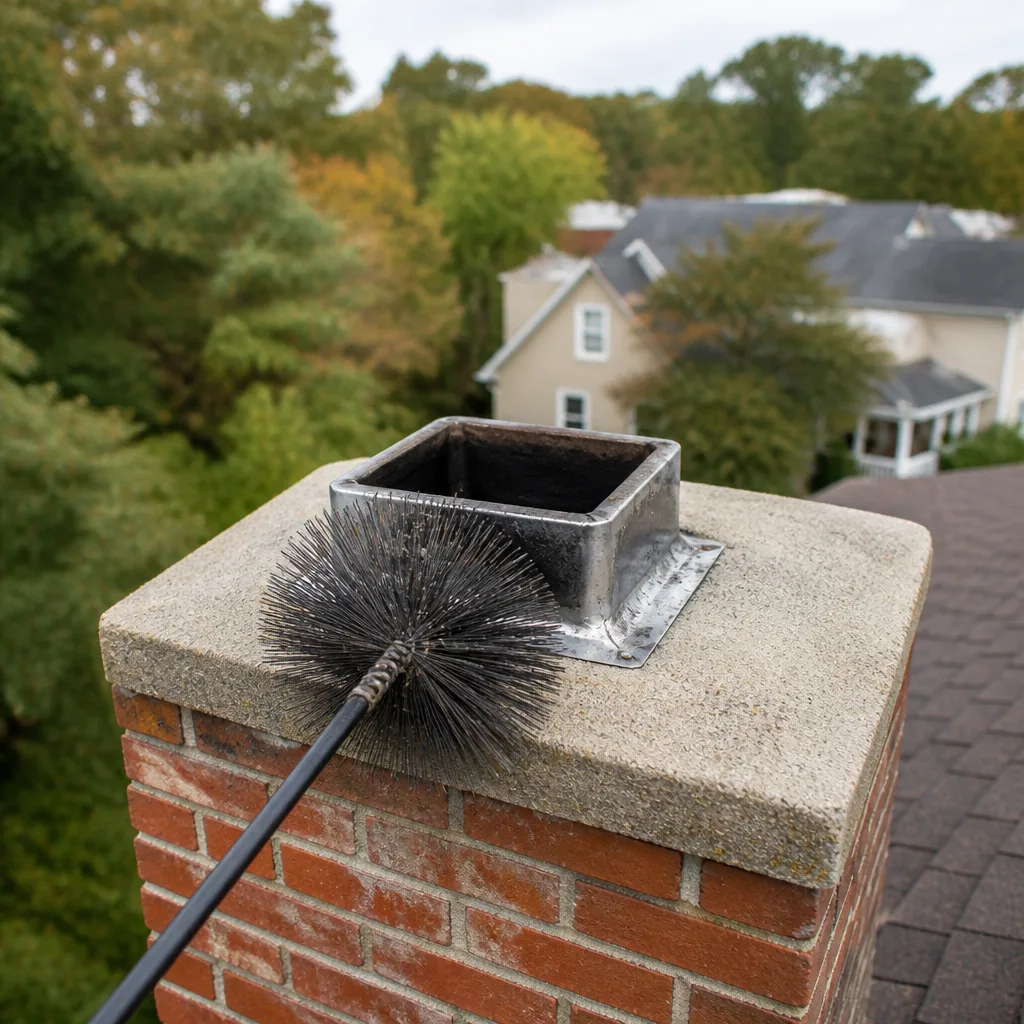 Sweep & inspection
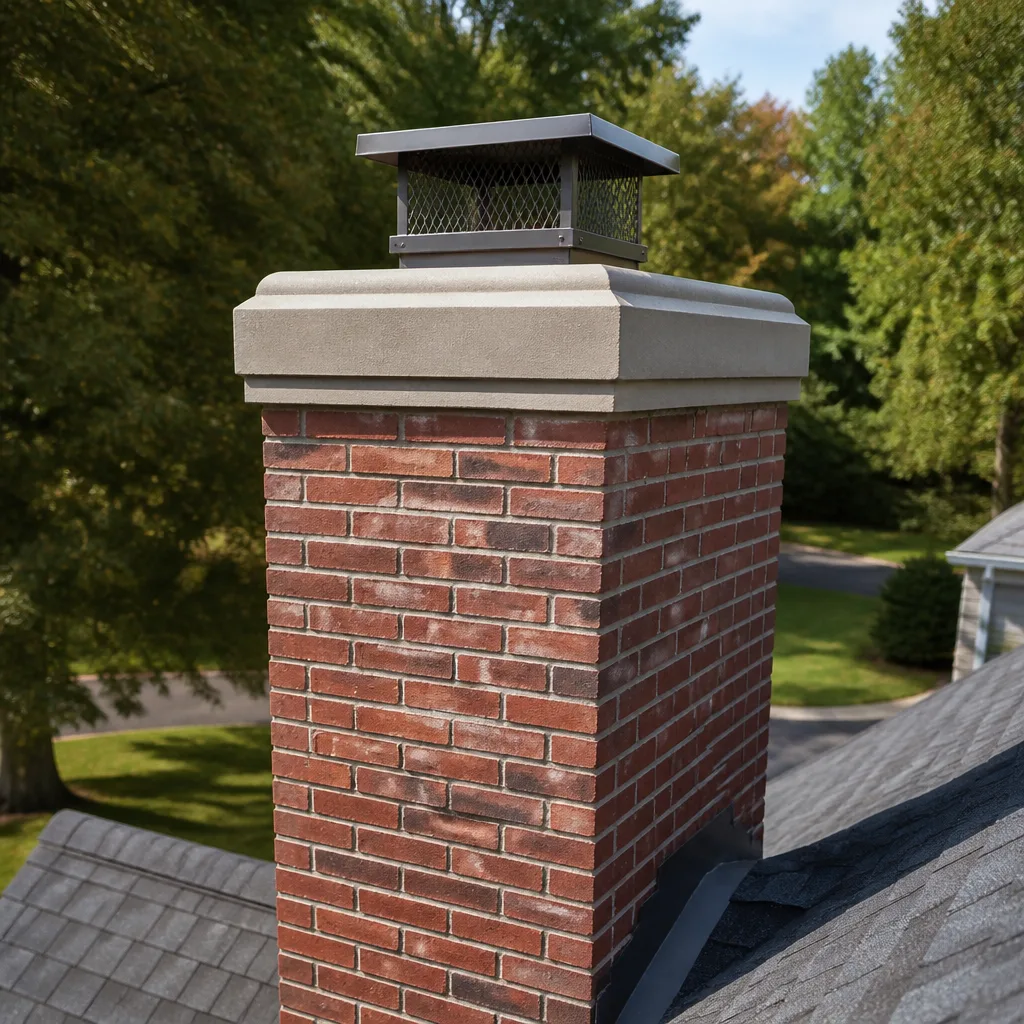 Caps & crowns
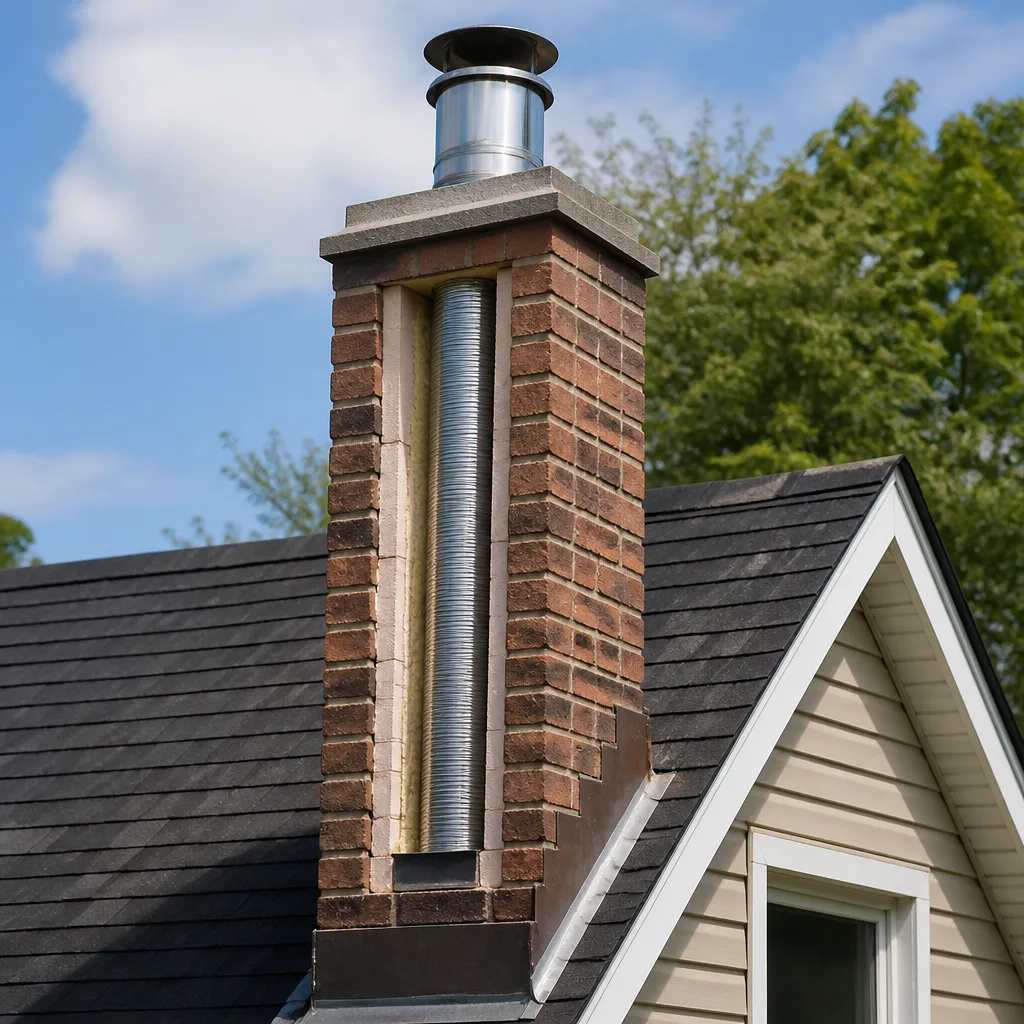 Flue relining
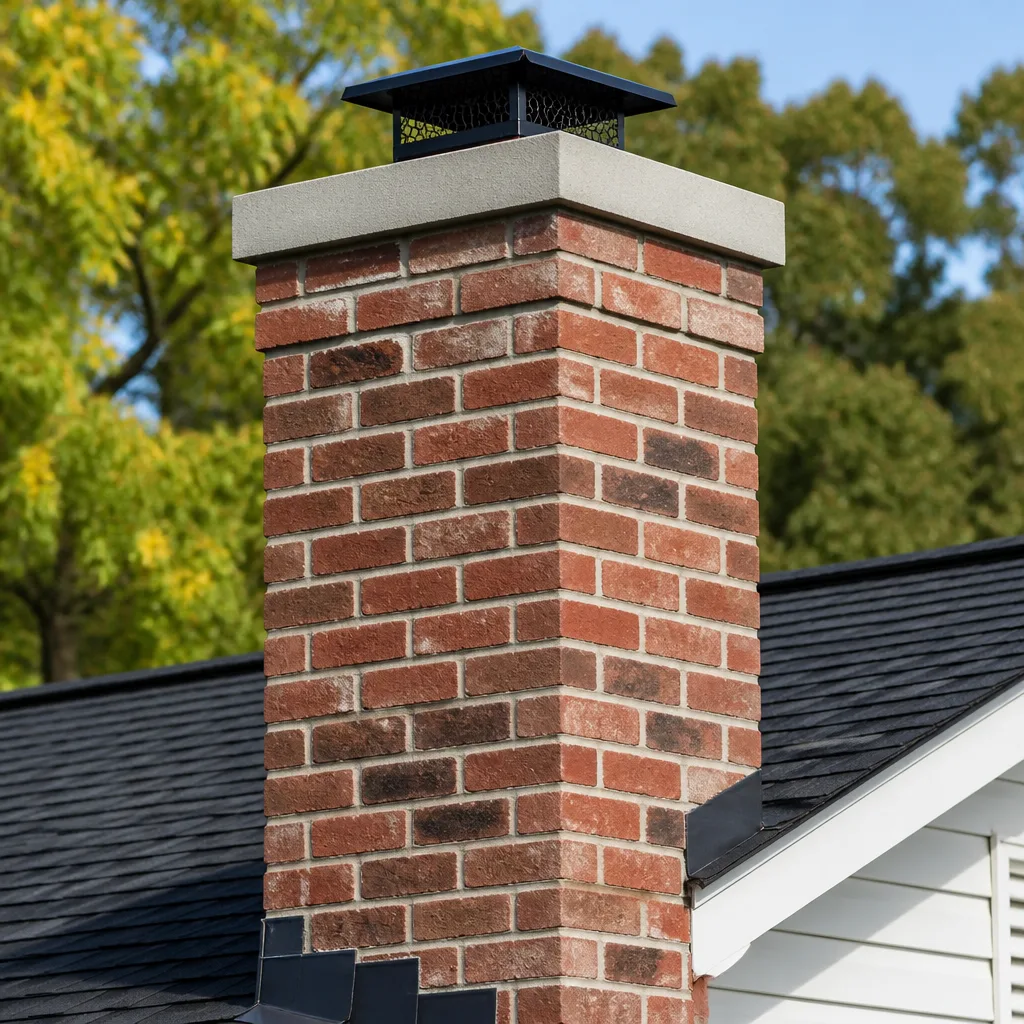 Masonry repair
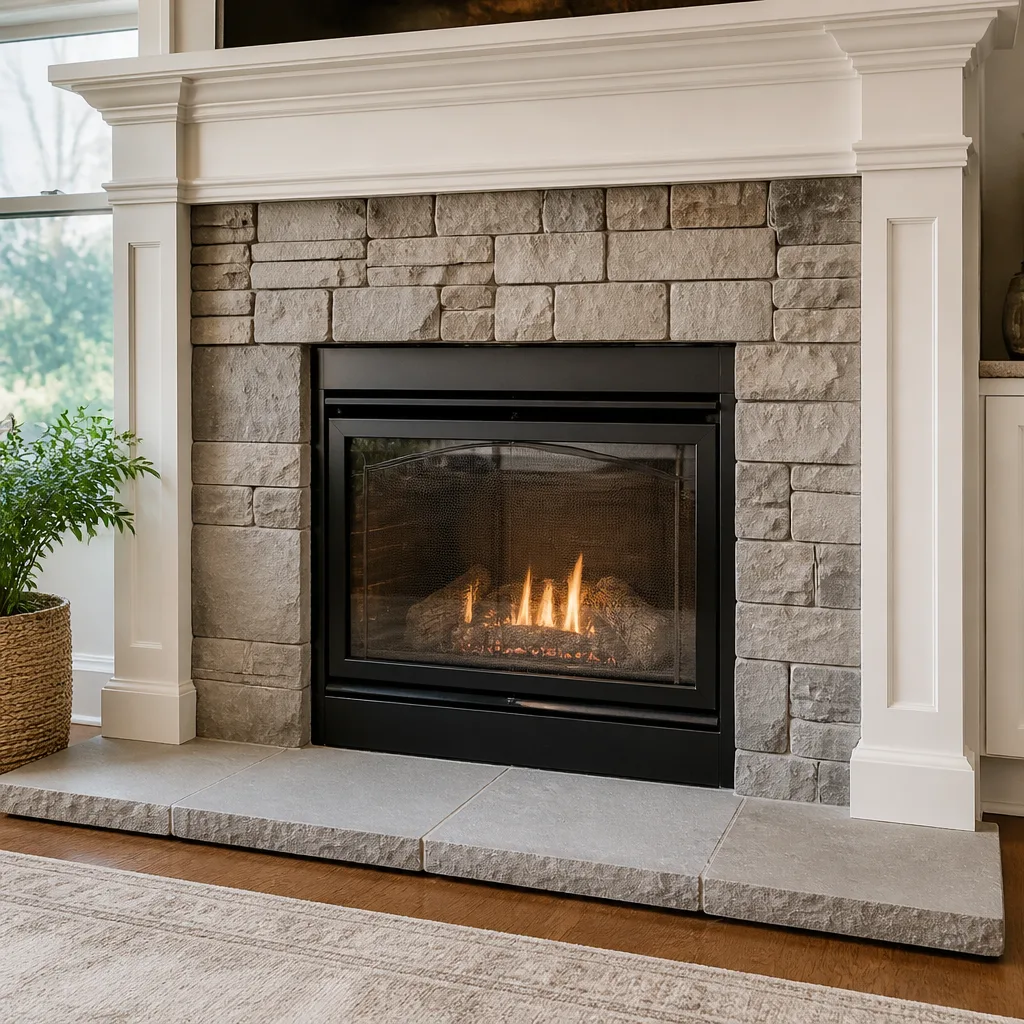 Gas fireplace service
Level 1 sweep and inspection to the NFPA 211 annual standard - flue, crown, cap, and flashing checked and photographed
Chimney sweep logs do not sweep chimneys. They loosen some creosote - which then falls where a brush and vacuum still have to collect it.
Chimney Cleaning Warning Signs: An Irving Park Homeowner’s Reference Guide
A white stain running down your chimney’s exterior isn’t a cosmetic issue. It’s efflorescence, and it means water has been moving through your masonry for a while. Most warning-sign guides point you toward the obvious stuff: smoke rolling into the room, visible cracks, a chimney that leans. Those matter. But the conditions that cost Irving Park homeowners the most are the quiet ones that show up years before the dramatic symptoms. This guide is about catching those early indicators, understanding what’s actually failing inside the system, and documenting what you see so you’re not depending on someone else’s description of your own chimney.
Quick Answer
The most overlooked chimney warning signs in Irving Park are white efflorescence staining on the exterior, a crown with hairline cracks or a crumbling edge, rust on the damper or firebox, musty or acrid smells that appear when the fireplace is cold, and dark glaze inside the firebox. Any one of these points to a specific failure (moisture intrusion, crown breakdown, or advanced creosote) that gets more expensive the longer it sits. A fireplace can draft perfectly and still have a warning-level condition.
Styles & brands we work with
- Sweep & inspection
- Caps & crowns
- Flue relining
- Masonry repair
- Gas fireplace service
Table of Contents
- What You Can Read From the Ground: Exterior Warning Signs
- Smell Patterns and What Each One Tells You
- Firebox and Damper Signs That Point to Liner Damage
- Why a Working Fireplace Can Still Be a Warning Case
- Creosote Stages: What Dark Glaze Actually Means
- How to Photograph and Document What You See
- Irving Park Seasonal Patterns That Accelerate Wear
- What a Proper Inspection Covers
What You Can Read From the Ground: Exterior Warning Signs
You don’t need a ladder to spot most of the serious warning signs. Walk to the end of your driveway and look up at the chimney with a pair of binoculars. What you’re looking for falls into a few categories, and each one maps to a specific failure inside the system.
White or gray staining on the brick. That’s efflorescence, mineral salts pushed to the surface as water moves through the masonry. It doesn’t mean your chimney is falling down. It means water is getting in somewhere and finding its way out through the brick. The source is usually a failed crown, failed flashing at the roofline, or missing mortar joints. Left alone, that same water freezes and expands through Irving Park winters, and brick spalling follows.
Cracks in the crown. The crown is the concrete cap on top of the chimney that sheds water away from the masonry. Hairline cracks are the earliest stage and the easiest to miss from the ground. A crumbling or separated edge is later stage. A crown that’s no longer shedding water is the single most common entry point for the moisture that causes everything else on this list.
Rust streaks or a rusted cap. Rust on the chase cover or cap top means water is pooling where it shouldn’t. On a Gelco or Famco cap, rust at the seams or fasteners usually signals a fit problem or a cap that’s past its service life. The cap is doing its job of keeping animals and rain out of the flue, but it’s no longer keeping water off the structure.
Missing or spalling brick and deteriorating mortar joints. Step back and compare the chimney’s brick to the rest of the house. If the chimney face is shedding brick faces or the mortar is recessed and sandy, water has been working through the wall for a while.
Smell Patterns and What Each One Tells You
Your nose is a diagnostic tool, and most homeowners don’t realize how specific the information is. Three smell patterns point to three different problems, and each one is worth writing down before you call anyone.
- Musty, damp, or earthy smell. This is moisture. It usually shows up when the fireplace is cold or when the weather turns humid, and it’s the smell of water sitting in the masonry, the smoke chamber, or the flue. It often pairs with the efflorescence you saw outside. The fix is identifying and stopping the water source, then letting the system dry before any resurfacing.
- Acrid, sharp, or burnt-rubber smell. This is creosote. A light, ashy smell after a fire is normal. A sharp, pungent smell that lingers for days and gets stronger in warm weather means creosote has built up to a stage that needs attention. Stage 3 creosote, the glazed, hardened kind, is what you’re smelling when it’s this strong.
- Sulfur or rotten-egg smell. This is not a wood-burning issue. It points to a gas appliance, either a gas log set, a gas fireplace insert, or a gas water heater or furnace vented into the same chimney. A sulfur smell is a call-now condition because it can indicate a gas leak or incomplete combustion. Don’t wait to schedule this one.
Keep a simple log. Note the smell, the weather, whether the fireplace was recently used, and roughly when it started. That log is more useful to whoever inspects your chimney than a vague memory of “it smelled funny last winter.”
Firebox and Damper Signs That Point to Liner Damage
The firebox is where you can see the most without a camera, and it’s where the earliest signs of liner damage show up. Look inside with a flashlight after the firebox has fully cooled, ideally the next morning.
What you’re looking for:
- Cracks in the firebox brick or mortar joints, especially at the back wall and the smoke shelf.
- White or chalky deposits on the firebox walls, which often indicate moisture or heat-cycling.
- Rust on the damper blade, the damper frame, or the firebox grate. Rust means water has been present when it shouldn’t be.
- A damper that sticks, doesn’t close flush, or won’t stay open.
- Loose or missing pieces of the firebrick liner.
What you can’t see from inside the firebox is the flue itself, and this is the key point. The firebox and the flue are two parts of one system, and damage in one often mirrors damage in the other. A cracked firebox wall doesn’t guarantee a cracked flue liner, but it’s a warning sign that the whole assembly has been subjected to the same heat and moisture cycles. The only way to know for sure is a camera inspection, which shows the interior of the flue from the smoke chamber to the top of the termination.
On the repair side, a firebox with widespread spalling and deteriorated mortar can be a candidate for HeatShield resurfacing rather than a rebuild. HeatShield is a repair-grade material applied to resurface the firebox or the flue, and it’s not something available through DIY channels. It’s a good example of why the inspection matters: the right answer for a given firebox depends on what the camera shows, not what the outside looks like.
Why a Working Fireplace Can Still Be a Warning Case
This is the part of the guide most people need. A fireplace can draw beautifully, burn clean, produce no smoke in the room, and still have a warning-level condition. The two aren’t the same thing.
Draft is about pressure and temperature. A flue that’s sized right, warm enough, and under the right pressure will pull smoke up and out, even when creosote is building up, even when a liner has minor damage, even when the smoke chamber is full of soot. The fire “works” because the physics still allow it to. What the fire can’t tell you is whether the liner behind it is still intact, whether the creosote in the flue is at a stage where the next hot fire could ignite it, or whether the masonry behind the firebox is crumbling.
That’s why the phrase “if it drafts, it’s fine” is one of the most expensive assumptions in chimney maintenance. In our experience, the chimneys that get swept on a schedule are rarely the ones with big surprises. The ones that get attention only when something goes wrong tend to be the ones where a small, fixable condition has had years to develop.
Irving Park’s older housing stock makes this more relevant than it might be elsewhere. Brick chimneys that have been through many decades of freeze-thaw cycles, roof repairs, and interior remodels accumulate conditions that aren’t visible from the living room. A Chimney Sweep Irving Park inspection is a way to check the system rather than the performance of the system, and the gap between those two can be years wide.
Creosote Stages: What Dark Glaze Actually Means
Creosote forms in three recognizable stages, and each stage calls for a different response. Knowing the difference helps you understand what a sweep is actually doing, and why “I’ll get it swept next year” stops being a safe answer at stage 3.
- Stage 1: soot and light flaky deposit. This is the normal byproduct of the first several fires of the season. It brushes away easily. If your flue only ever accumulated stage 1, an annual or biennial chimney sweep would be plenty.
- Stage 2: hard, crusty deposits. This is where the flue starts needing real mechanical effort to clean. It forms when the fire is burning cool or the wood is not fully seasoned. You may smell it, and it may start to affect draft on windy days.
- Stage 3: glazed, hardened creosote. Stage 3 creosote has the appearance of dark, shiny, brittle glaze on the flue walls. It’s not something a brush is going to remove easily, and it’s the stage that gets the most attention from chimney fires. This is a condition that goes past cleaning and may require resurfacing with something like HeatShield, depending on what the inspection finds.
Two things drive creosote buildup faster than homeowners expect. First, wood that isn’t fully seasoned produces more of it. Second, and this is the one that gets overlooked, is a chimney that’s running too cool because the fire is small and smoldering rather than hot. An efficient, hot fire actually produces less creosote than a low, smoky one. So a homeowner who only burns small fires to “save wood” can end up in the same creosote stage as someone burning wet wood.
For a DuraFlex liner system, the creosote question works the same way: it’s a flexible liner, and the deposit forms on its interior walls, which is why a camera inspection is the only reliable way to see the actual condition.
How to Photograph and Document What You See
This step is worth more than it sounds. When you photograph and note what you’ve observed before anyone else is in the house, you have your own record of the chimney’s condition, and any contractor’s description of what’s wrong has to meet your own observations. That’s a much more useful starting point than a verbal summary from someone you’ve just met.
Here’s how to do it in a way that’s actually useful:
- Shoot from the ground. Use a phone or camera with zoom from the driveway or yard. Get the chimney straight on and get it from two angles if you can. Avoid shooting into direct sun; early morning or overcast light shows staining and cracks best.
- Shoot the roofline. If you can safely see the flashing where the chimney meets the roof, photograph it. Don’t climb anything. If you can’t see the flashing from the ground, note that and let the inspection cover it.
- Shoot the firebox interior. After the firebox is fully cool, use a flashlight held off to one side so shadows show cracks. Photograph the back wall, the side walls, the damper, and the smoke shelf.
- Photograph the cap and crown. From the ground with zoom, get the cap and crown separately. Note anything that looks like a broken edge, a gap, or rust.
- Log the smells. Write down the smell, roughly when it started, and the weather at the time. A plain note is enough.
- Note what’s changed. Anything new since last year? A stain that’s gotten bigger? A smell that wasn’t there before? Write it down.
Keep the photos in one folder on your phone or computer, and label them with the date. If you ever sell the house, an inspection report plus your own dated photo set is a useful record, and a standalone inspection gives you exactly that. When we inspect, we review the camera findings with you so you can see what’s actually in the flue, not just take our word for it.
Irving Park Seasonal Patterns That Accelerate Wear
Chimneys in this part of North Carolina deal with a specific combination of weather that matters for how quickly warning signs turn into real damage. The freeze-thaw cycle is the big one. Water gets into masonry through a failed crown or flashing, freezes overnight, expands, and opens the brick a little more. A dozen of those cycles over a winter is what turns a hairline crack into a chunk of missing brick.
Humidity the rest of the year works the other direction. A chimney that stays damp through the summer is a chimney that’s slowly breaking down its own masonry. That’s why the musty smell shows up in July, not just January, and why a sweep scheduled before the burning season makes more sense than one in the middle of it. Fine cracks you can’t see in the cold dry months can open up once the humidity climbs.
Our technicians have up to 8 years of experience, and the pattern we’ve seen most in Irving Park is that the warning signs cluster on older chimneys that have been through multiple decades without a crown repair. The crown is small and cheap relative to the damage it prevents, and it’s the first thing we look at from the ground because it’s the first failure that starts the chain.
What a Proper Inspection Covers
A chimney inspection is more than a look up the flue with a flashlight. A proper inspection covers the entire system from the firebox to the chimney top, and the camera is what makes the difference.
- Firebox and damper. Brick and mortar joints, damper operation, and evidence of water.
- Smoke chamber. The cavity above the damper, which is a common creosote collection point and often out of sight without a camera.
- Flue. Camera scope from the smoke chamber to the top. This is where liner condition shows up: cracks, gaps at joints, and the actual creosote stage.
- Crown and cap. Condition, fit, and whether either is shedding water as designed. This is where a properly fit Gelco or Famco cap is worth its cost; the cap should match the flue’s actual dimensions and airflow requirements, not just be the closest size on the shelf.
- Exterior and roofline. Flashing, masonry, and the visible brickwork. Photos from the ground plus views from the roof where accessible.
An inspection is also the point where structural work and combustion safety work sit side by side. Fixing the chimney cap & crown is structural. Cleaning the flue is combustion safety. A chimney that has a failing crown and a stage 3 flue needs both addressed, and it’s more practical to have one contractor do the sweep, the inspection, and the repair than to coordinate three.
Common Mistakes to Avoid
- Treating a clean-looking chimney as a safe one. A flue that’s clean at the top can hide creosote or a damaged liner further down. Only the camera tells you the truth, which is why we inspect before we recommend.
- Assuming a working draft means a safe system. Draft depends on pressure and flue sizing, not on the liner’s condition. A fireplace that burns well can still be at a warning-level creosote stage.
- Letting the crown go untreated for another winter. In Irving Park, another freeze-thaw season on a cracked crown is the cheapest way to turn a small repair into masonry replacement.
- Buying a cap from the hardware store without matching the flue. The right cap for your flue is not the nearest one in stock. Too small restricts the exhaust; too large lets water in at the edges. Gelco and Famco caps come in dimensions that need to match your flue and the way it draws.
- Burning unseasoned wood because it’s cheap. Wet wood produces more creosote and less heat, and the flue pays for the savings.
- Ignoring the smell. A musty smell in July or an acrid smell that lingers after the fire is out is a diagnostic signal, not just an inconvenience.
- Relaying on a contractor’s verbal description without any findings you can see. Ask for camera evidence and photos. If the sweep can’t show you what they’re describing, the description is not something you can act on.
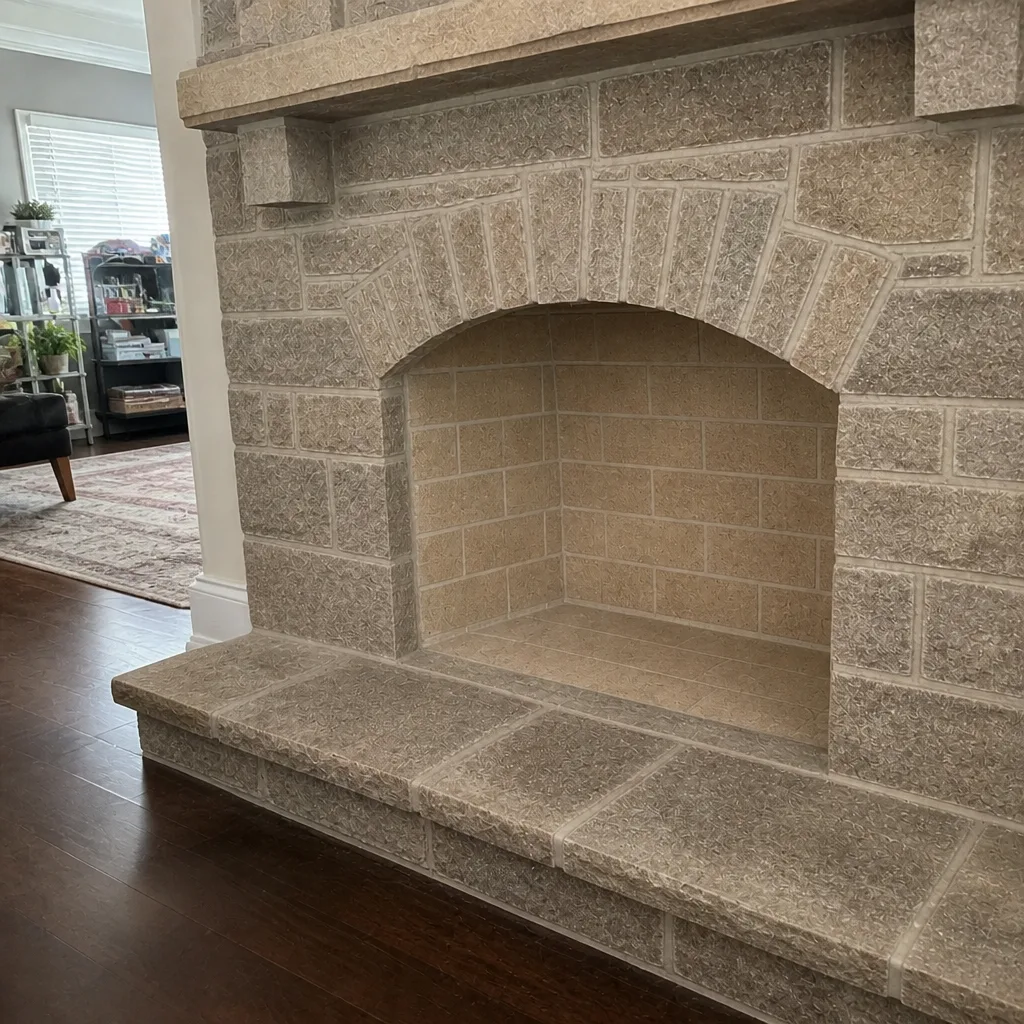
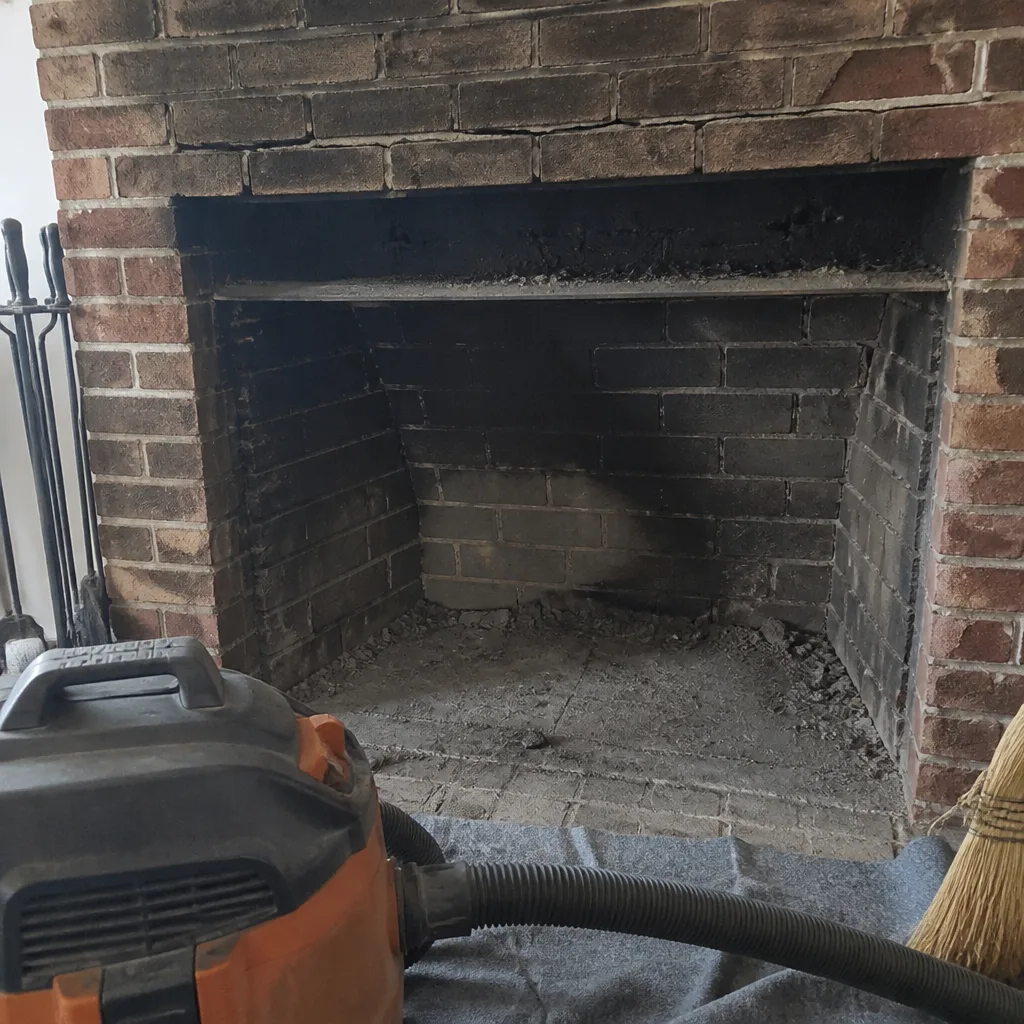
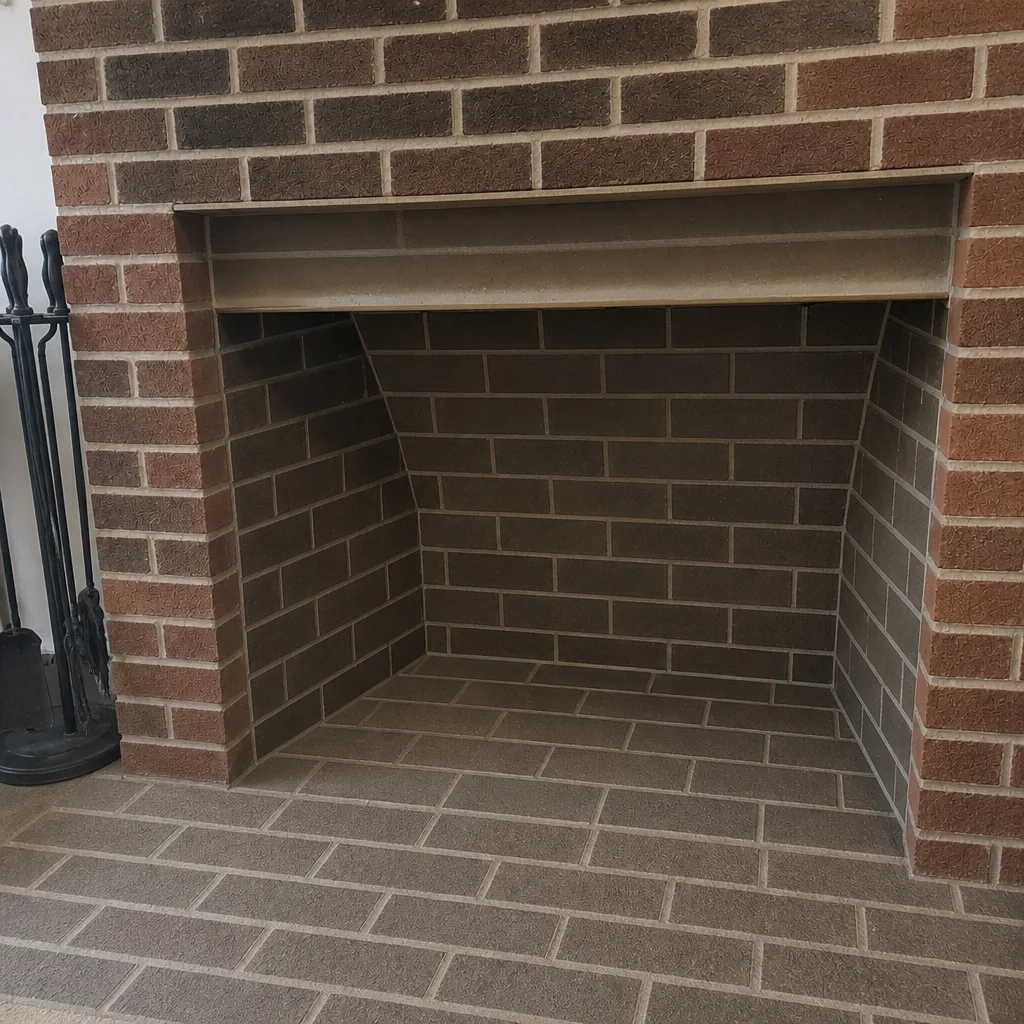
See the difference
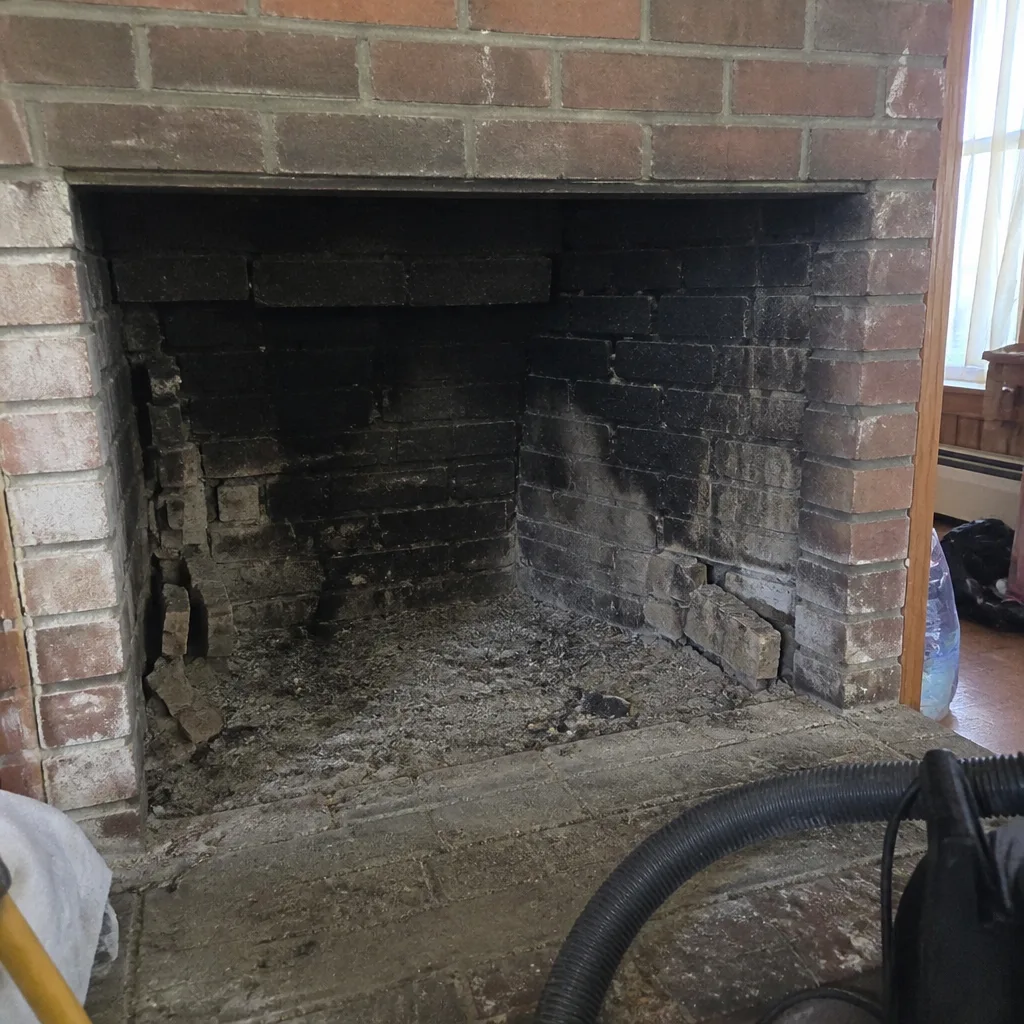 Before
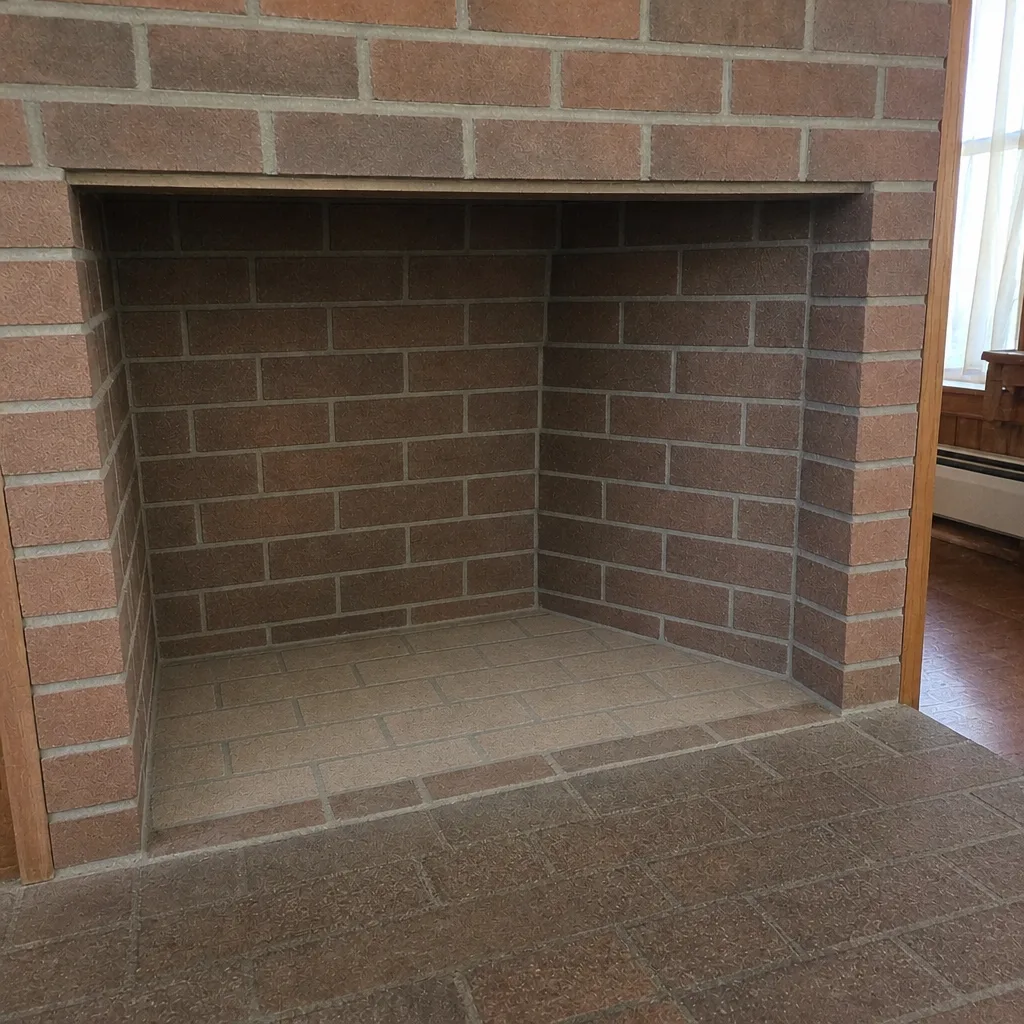 After
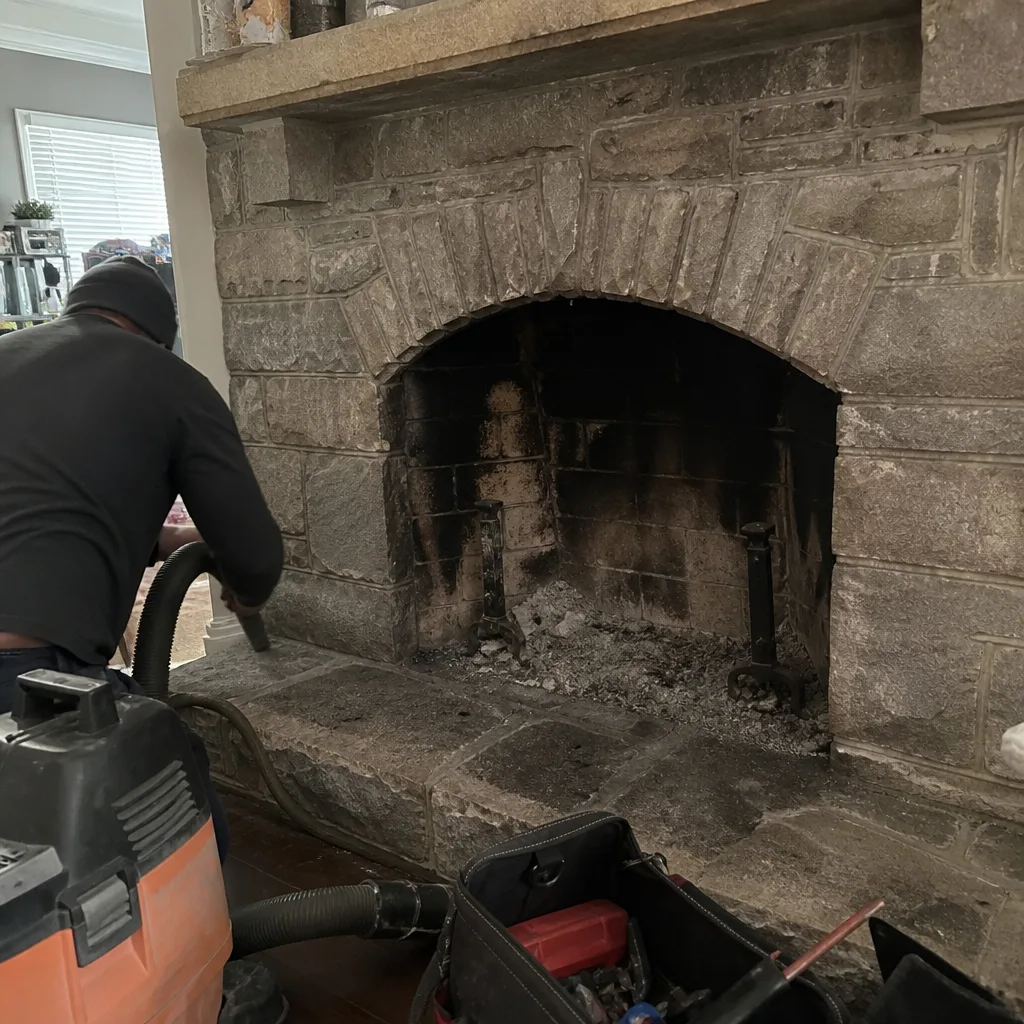 Before
 After
 Before
 After
When to Call a Professional
Call a professional the moment you see a white stain spreading on the chimney’s exterior, a crown that has visibly cracked or crumbled, or dark glazed creosote inside the firebox. Call sooner if you’ve noticed a sulfur or rotten-egg smell; that points to a gas appliance, and it’s the one warning sign that can’t be looked at later. If you’ve had a chimney fire, even a small one you managed to put out with a fire extinguisher, that’s a call-now situation because the flue needs a camera inspection to see whether heat exposure has compromised the liner.
If you’re buying a house in Irving Park and the fireplace hasn’t been used in years, an inspection before closing gives you documentation you can rely on, and it’s useful for insurance reviews on the new policy. If you’re a long-term homeowner and you’ve been meaning to schedule a sweep, scheduling it before the burning season rather than after is the practical move.
Chimney Sweep Irving Park offers free estimates in Irving Park. Call (844) 625-7370 for an exact quote. We answer 24/7. Fast dispatch from 7am to 7pm, Sunday through Friday.
Frequently Asked Questions
That white staining is called efflorescence, and it means water has been moving through the masonry. It isn’t a cosmetic problem. It usually points to a failed crown or failed flashing, and the moisture behind it will keep damaging the brick through freeze-thaw cycles until the source is stopped. Call (844) 625-7370 for an exact quote. Estimates are free.
Yes, if you haven’t had one in a season or two. A fireplace that drafts well can still have warning-level creosote or a damaged liner. Draft is about pressure and flue temperature, not the condition of the flue walls. A camera inspection is the only way to know. Call (844) 625-7370 for an exact quote. Estimates are free.
A musty smell is moisture. It’s coming from water that’s gotten into the masonry, the smoke chamber, or the flue and hasn’t been able to dry out. Finding and fixing the water source is the first step; resurfacing before it dries is a mistake. Call (844) 625-7370 for an exact quote. Estimates are free.
Stage 3 creosote, the glazed, hardened kind, is the point where a normal brush sweep is no longer enough, and the flue may need resurfacing with a repair-grade material like HeatShield. The camera inspection tells you which stage you’re at. If you’re not sure, call (844) 625-7370 for an exact quote. Estimates are free.
The cap needs to match your flue’s dimensions and how it draws, which is why we don’t move toward generic one-size caps. A poorly fit cap restricts exhaust or allows water in at the edges. A properly fit Gelco or Famco cap is the right starting point, not the nearest one on the shelf. Call (844) 625-7370 for an exact quote. Estimates are free.
Photograph the chimney from the ground with zoom, from two angles if possible, in early morning or overcast light. Photograph the firebox interior with a flashlight held to one side, and note any smells along with the weather at the time. Keep the photos in one dated folder. Call (844) 625-7370 for an exact quote. Estimates are free.
The Bottom Line
The expensive chimney problems in Irving Park almost never start with a dramatic warning. They start with a stain on the brick, a cracked crown, a smell in July, or a stage 3 glaze in the firebox that nobody noticed. A fireplace that drafts well is not proof of a safe system, and a smooth exterior is not proof of a sound interior. The system that performs on the surface and the system that’s actually sound are two different questions. If you can document what you see and get a camera inspection that shows you the actual condition, you’re in a position to make an informed decision rather than be told one. That’s the approach we take: inspect before we recommend, and show you the findings so you’re not relying on our description alone.
Chimney Sweep Irving Park covers the sweep, the inspection, and the repair, from the firebox to the crown, with professional-grade materials including DuraFlex and HeatShield. Fireplace repair is part of the same scope. Call (844) 625-7370. We answer 24/7. Fast dispatch from 7am to 7pm, Sunday through Friday.
Written by the team at Chimney Sweep Irving Park.