
Last updated November 24, 2026
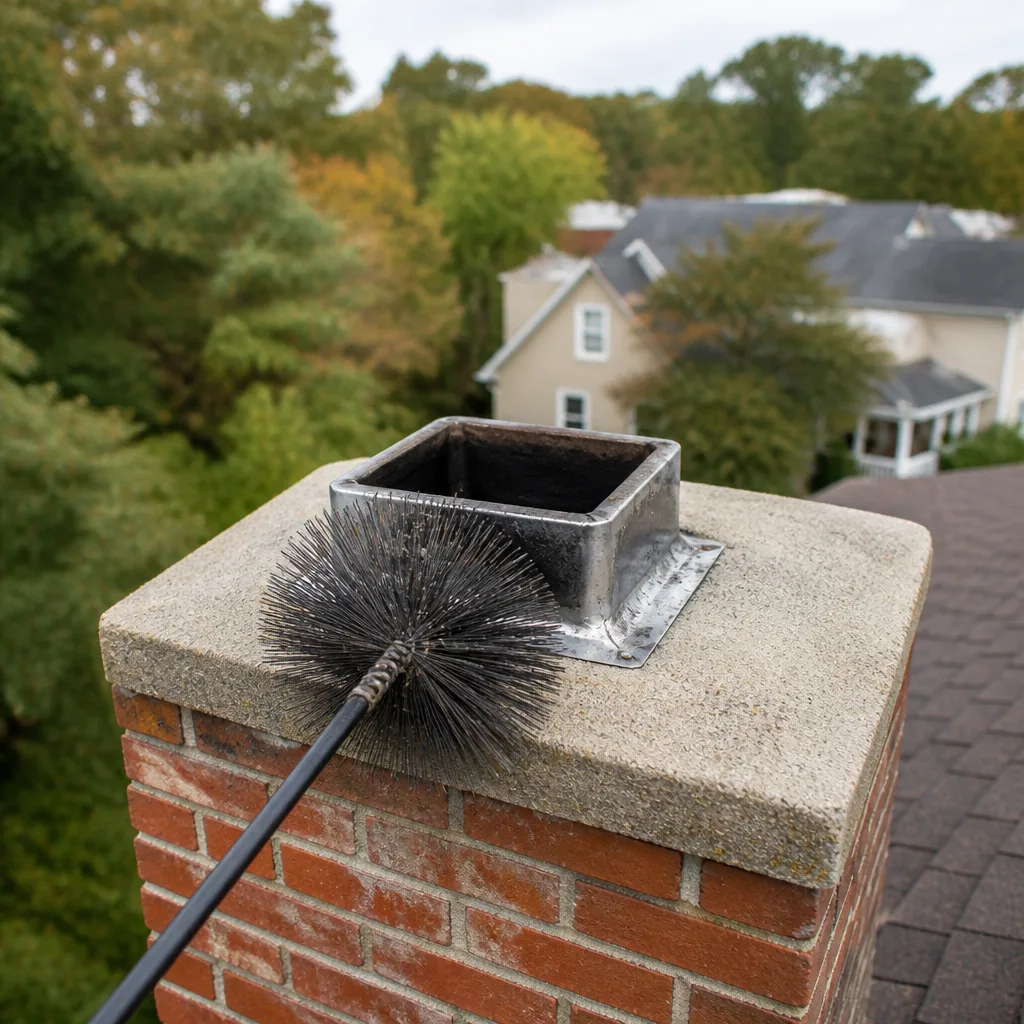 Sweep & inspection
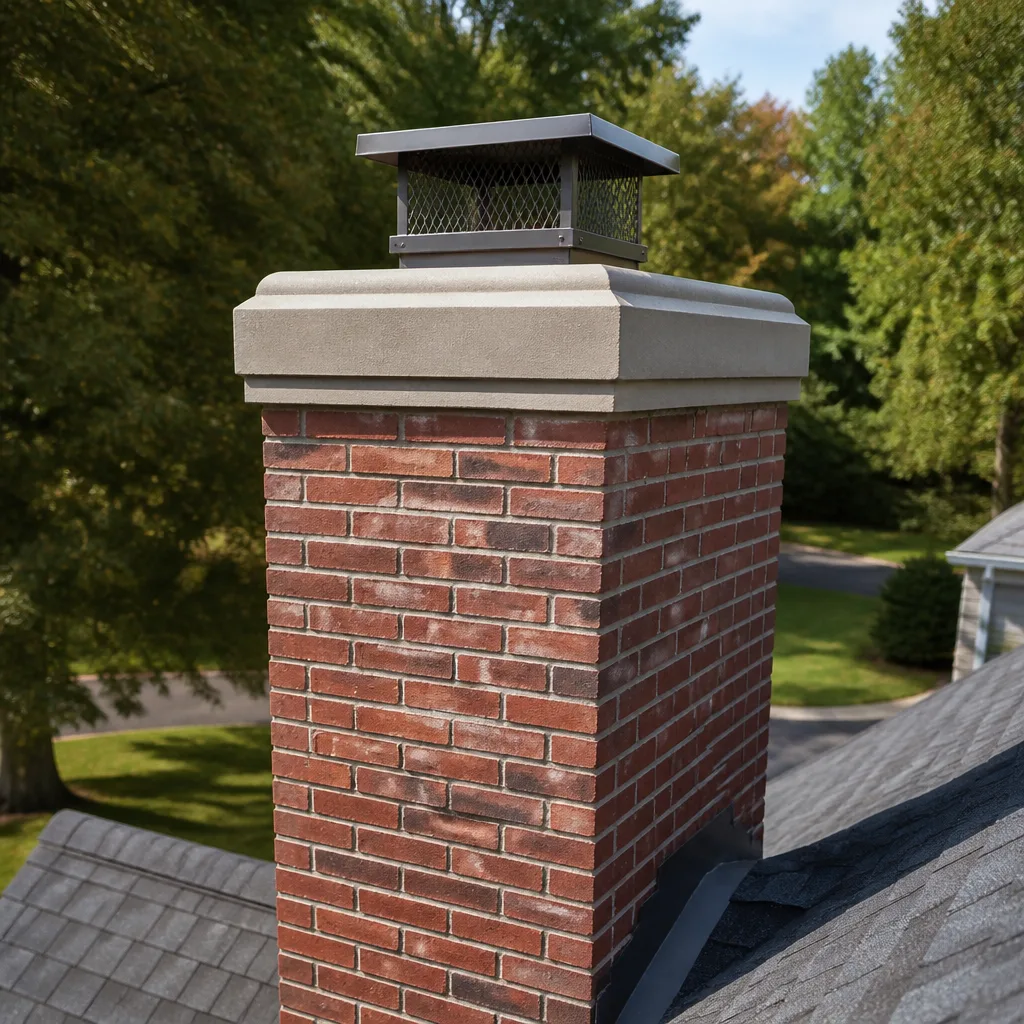 Caps & crowns
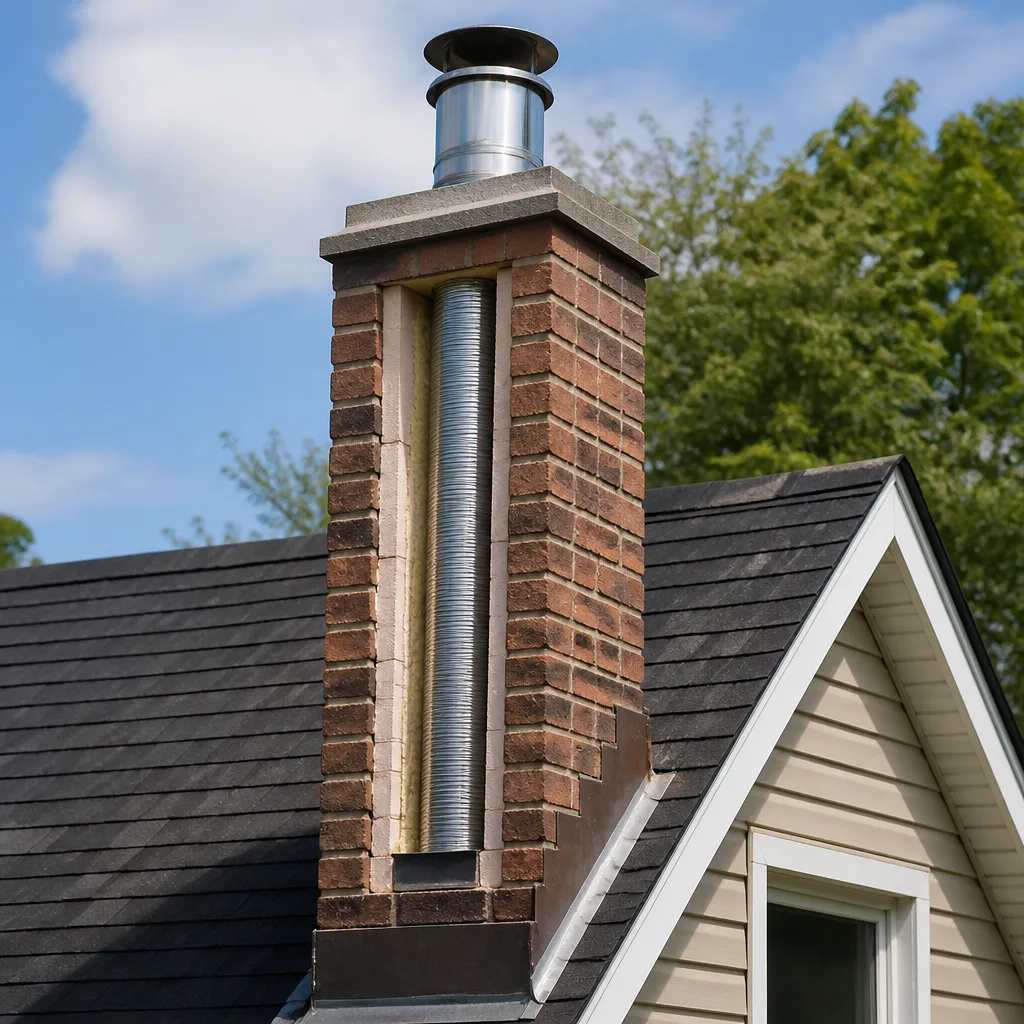 Flue relining
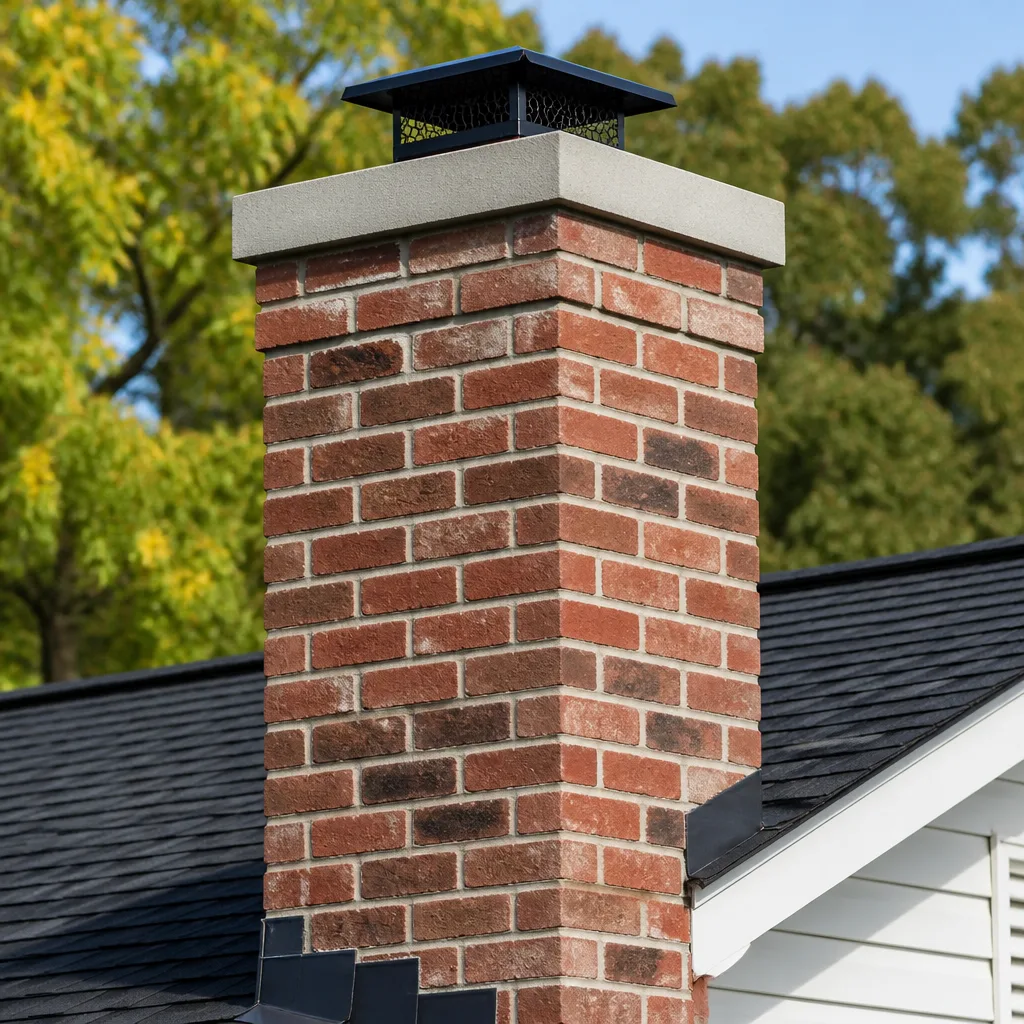 Masonry repair
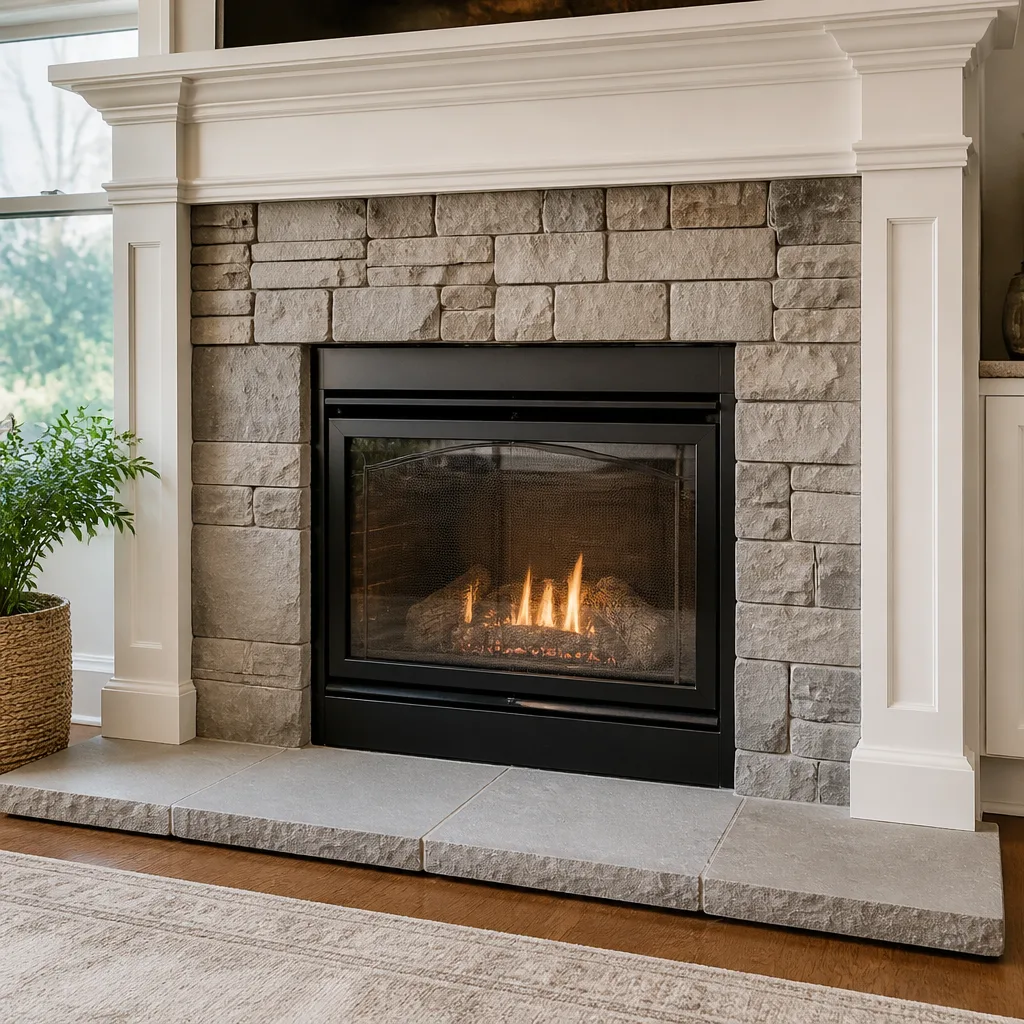 Gas fireplace service
Level 1 sweep and inspection to the NFPA 211 annual standard - flue, crown, cap, and flashing checked and photographed
Chimney sweep logs do not sweep chimneys. They loosen some creosote - which then falls where a brush and vacuum still have to collect it.
Chimney Sweep Maintenance Checklist for Irving Park Homeowners
The crown and the cap fail before nearly anything else on a Piedmont chimney, and they’re the two items most homeowners have never looked at once since moving in. That’s the part that surprises people. Not the firebox, not the damper, not the soot. It’s the concrete cap at the top of the stack and the metal cover on the flue, both quietly weathering through our freeze-thaw winters and pollen-heavy springs while everything below them looks fine from the driveway. This guide breaks the chimney down component by component, tells you what you can reasonably check from the ground, flags what needs a trained eye, and shows you how to log condition over time so you can walk any contractor through documented history instead of a guess. Irving Park homes deserve that kind of record.
Styles & brands we work with
- Sweep & inspection
- Caps & crowns
- Flue relining
- Masonry repair
- Gas fireplace service
Quick Answer
A chimney maintenance checklist for Irving Park should cover six components in order of typical failure: crown, cap, flashing, liner, firebox, and damper. Homeowners can visually inspect the crown and cap from ground level with binoculars and should log what they see once or twice a year. Flashing, liner, firebox, and damper condition require a professional inspection, and as a rule of thumb a wood-burning fireplace used regularly needs a sweep and inspection once a year, a gas fireplace every one to two years, and a rarely used fireplace still needs a professional look every couple of years.
Table of Contents
- Start at the Crown: What Piedmont Freeze-Thaw Does to It
- The Cap: Pollen, Debris, and Why Fit Matters
- Flashing: The Leak Point You Can’t See From the Yard
- The Liner: Combustion Safety Beneath the Surface
- The Firebox and Damper: What to Check Inside
- Keeping a Condition Log That Actually Helps
- Maintenance Intervals: Wood, Gas, and Rarely Used
- When to Call a Professional
Start at the Crown: What Piedmont Freeze-Thaw Does to It
The crown is the sloped concrete or masonry surface that caps the top of the chimney and sheds water away from the flue. It’s the first line of defense against moisture, and in Irving Park’s climate it takes a beating. Piedmont winters produce repeated freeze-thaw cycles: snow or rain soaks into a hairline crack in the afternoon, temperatures drop below freezing overnight, the trapped water expands, and the crack widens. Do that enough times across enough winters and a cosmetic crack becomes a structural problem, letting water into the masonry and eventually into the home.
What to look for on the crown:
- Hairline cracks radiating from the flue or across the flat surface
- Spalling: flakes or chunks of concrete missing from the crown edge
- Separation between the crown and the flue tile (a visible gap)
- Rust-colored staining on the crown, which suggests water is pooling
- A crown that has pulled away from the chimney body
This is a ground-level check you can do with binoculars two or three times a year, ideally after the first hard freeze and again in early spring when the ground thaws. Note what you see in a log (more on that below). A crown with minor surface cracking may still be doing its job. A crown with chunks missing, separation at the flue, or visible water staining is telling you water is already getting in. Resurfacing a crown with a repair-grade product like HeatShield is a mid-course correction that extends the life of the structure; replacing a failed crown entirely is the more involved path. Either way, this is the item most worth watching from the ground.
If you’re already due for routine service, a chimney sweep visit is the right moment to ask for a crown evaluation while the technician is on the roof.
The Cap: Pollen, Debris, and Why Fit Matters
The chimney cap is the metal or mesh cover over the top of the flue. It keeps rain, birds, squirrels, and leaves out while letting smoke out. In Irving Park, spring pollen is heavy enough that a mesh cap can clog within a season or two if it wasn’t selected for the right airflow. Add the ordinary debris of a Piedmont yard, pine needles, seed pods, leaf litter, and you get a cap that’s fighting back against your own draft. A clogged cap means smoke that doesn’t want to leave the firebox, and in a tight older home that often shows up as a faint smoky smell in the living room, not a visible problem at the top of the stack.
From the ground with binoculars, you can check for:
- Visible debris or pollen matting across the mesh
- Bent, crushed, or missing cap panels
- A cap that appears off-center or tilted
- Rust streaks down the chimney body from the cap
Getting the right cap for the flue is more specific than it sounds. Cap selection depends on the flue dimension, the fuel type, and the local debris profile. A one-size cap from the hardware store can fit loosely and rattles loose in wind, or worse, restrict draft. In our experience, caps from lines like Famco and Copperfield give the precision fit and airflow-conscious design that a chimney actually needs, which is why we keep cap and crown work as one of our core service categories rather than an afterthought. If you’re not sure whether your cap was selected for your flue or was just the nearest size available, a professional can tell you quickly.
Flashing: The Leak Point You Can’t See From the Yard
Flashing is the sheet metal or membrane that seals the joint where the chimney passes through the roofline. It’s a leading source of chimney-related leaks, and it’s essentially invisible from the ground. Most water intrusions that homeowners mistake for “the chimney itself leaking” start at the flashing, not the masonry. It’s also the item most likely to be skipped in a cursory sweep because it takes a bit of work to inspect properly.
What a professional inspection of flashing involves:
- Stepping onto the roof to look at all four sides of the flashing apron
- Checking the base flashing, step flashing, and counter-flashing separately
- Looking for lifted, cracked, or missing sealant
- Confirming the flashing isn’t sitting on a bed of old roofing tar over a failing layer
- Checking the chimney cricket or saddle (the diverter behind the chimney) for drainage
From inside the house, a homeowner can watch for the symptoms: dark water stains on the ceiling near the chimney, dampness on the chimney breast after a heavy rain, or moldy smell in a room with an interior chimney. Those are reasons to book a professional inspection, not reasons to wait for the next annual sweep. Flashing problems get worse, never better, and they can quietly damage roof decking and framing before a ceiling stain ever appears. If you’re already scheduling repair work, this is where a full-scope contractor pays off: the same visit that checks the flashing can address a chimney cap & crown concern without sending you to a second provider.
The Liner: Combustion Safety Beneath the Surface
The flue liner is the vertical passage that carries smoke and gases out of the house. It sits inside the chimney, so it’s another item a homeowner can’t meaningfully inspect visually. It’s also the single most important component for combustion safety, which is why we treat it as the heart of any inspection rather than a checkbox at the bottom.
Liner condition is checked with a camera inspection that captures the interior of the flue from top to bottom. Common finds include cracked or missing clay tile, gaps at tile joints, a disconnected liner section, or an unlined flue in an older Irving Park home that predates current venting practice. A compromised liner lets creosote, soot, and combustion gases escape into the wall cavity or into the living space. Carbon monoxide is the risk most homeowners think about, and it’s a real one, but so is a hidden chimney fire that starts in the narrow gap between the liner and the surrounding masonry.
We inspect before we recommend, which matters here. Not every liner crack calls for a liner replacement. A single hairline in a well-supported tile may be a watch item; a separated joint, a missing tile section, or an unlined flue on a wood-burning appliance is a different conversation. When replacement is the right answer, professional-grade flexible liner systems like DuraFlex are built for the purpose and installed to the appliance. What you should insist on is seeing the camera evidence for yourself before you commit. If a sweep tells you the liner needs to go without showing you why, ask for the footage and the still images. Any honest contractor will provide both.
Safety caveat on this point: do not attempt to evaluate or work on a liner yourself. The interior of a flue is a confined space accessed from the roof, and the assessment requires trained eyes and proper equipment. Liner condition is a professional judgment call.
The Firebox and Damper: What to Check Inside
The firebox is the masonry or metal enclosure where the fire burns, and the damper is the adjustable plate above it that controls airflow up the flue. Both are accessible from inside the house, so this is where a homeowner can observe a great deal between professional visits.
On the firebox, look for:
- Cracks in the brick or mortar joints (hairline is common; a crack you can slide a coin into is not)
- Crumbling or missing mortar between firebricks
- Loose firebrick that rocks or moves when pressed
- White, chalky staining (efflorescence) that suggests moisture
- Metal firebox panels with rust-through or warping (gas and prefab units)
On the damper, open and close it fully and feel for:
- A damper that won’t open all the way (dangerous: don’t burn until it’s fixed)
- A damper that won’t close flush against the frame
- A damper that feels stuck, gritty, or rusted in place
- Visible gaps around the damper plate when closed
A damper that fails to open fully is a stop-burn signal. Don’t light a fire until a professional has looked at it. Firebox cracks larger than a hairline, or firebrick that moves under hand pressure, are also reasons to pause. Small surface cracks are commonly monitored, but they need to be monitored, and the log you keep is what tells you whether a given crack is stable or growing. When interior repair is needed, chimney fireplace repair on the firebox is often a mortar-and-brick job rather than a replacement, which is one reason to document it early.
Keeping a Condition Log That Actually Helps
A maintenance log is the single most useful thing a homeowner can maintain between professional visits. It turns “I think the crown looks worse than last year” into “the crown crack widened between fall and spring and now has water staining,” which is the kind of information a contractor can act on. It also gives you documentation for insurance reviews and real-estate transactions, both of which routinely ask for a service record.
Build the log around six columns:
- Date and season
- Weather check: had there been a hard freeze, heavy rain, or a dry spell before the observation?
- Component: crown, cap, flashing, liner, firebox, damper
- Observation: “hairline crack 3 inches, no staining” is more useful than “looks OK”
- Photo or reference: a dated phone photo from the same angle each time
- Action: monitored, booked for inspection, or repaired
Two timed entries a year cover most of it: once after the first freezing night of the year (crown check first), and once in spring when the pollen is finishing (cap check first). Add an entry any time you see something new: a smell, a stain, a difference in how the fire draws. When you walk a contractor through the log, you’re not guessing about when something changed, and that gives the contractor a real basis to tell you whether work can wait a season or needs to happen this month. That’s valuable to both of you.
Maintenance Intervals: Wood, Gas, and Rarely Used
How often a chimney needs professional attention depends entirely on what burns inside it and how often. The national baseline of “once a year” is written for regularly used wood-burning fireplaces, and it lands in the right place for most Irving Park homes that burn through the winter. Gas fireplace maintenance rides a different schedule. Here’s how it breaks out.
| Fireplace type | Professional sweep + inspection | What to watch between visits |
|---|---|---|
| Wood-burning, used regularly (several fires a week through winter) | Annual | Creosote buildup in the flue, firebox cracks, damper operation, cap debris after spring |
| Wood-burning, used occasionally (a few fires a season) | Every one to two years, plus a professional look after any smoke-back event | Pollen and leaf debris in the cap, water stains near the chimney, damper stiffness |
| Gas log or gas fireplace | Every one to two years for a flue and vent inspection | Venting, pilot and burner cleanliness, corrosion on the firebox panels, carbon monoxide detector function |
| Rarely used (once or twice a year or less) | Every two to three years, or immediately on an inspection note from the last visit | Nesting animals, cap and crown condition, damper operation, flashing |
A chimney sweep is not a once-a-year ritual for everyone, but it is for most wood-burning homes in Irving Park. Homes that burn hard through January and February and old homes with a flue that’s never been inspected deserve the more frequent end of the range. Homes where the fireplace hasn’t been lit since the last Super Bowl still need a look every couple of years, because pollen, animals, and freeze-thaw don’t check whether the fireplace is in use.
Common Mistakes to Avoid
- Assuming “no smoke in the room” means the chimney is fine. Many liner and flashing problems produce no interior smoke at all until they’ve done thousands of dollars of damage. The absence of a visible symptom is not evidence of a healthy chimney.
- Buying a cap without matching it to the flue and fuel type. A loosely fitted hardware-store cap can rattle loose in wind or restrict draft, and it’s the reason “the cap was replaced last year” often coincides with a new drafting problem. Match the cap to the flue.
- Skipping the spring check because “nothing’s burning right now.” In Irving Park, spring is the heavy pollen season, and a cap clogged in April is what produces a smoky first fire in October. Look at the cap when things are blooming, not when the first cold snap hits.
- Treating the annual sweep as a cover for the roof. A sweep service that never goes onto the roof and never checks the flashing is doing half the job. Ask what gets inspected at each visit and insist on the roof.
- Booking a sweep without booking an inspection. The sweep cleans; the inspection diagnoses. They are different services, and an older Irving Park home that has never had a camera inspection of the flue is a home with unknowns.
- Believing a repair recommendation without seeing the evidence. If a contractor tells you the liner or firebox needs replacement, ask for the camera footage and the still photos. Any honest contractor hands them over without a fuss.
- Letting a log lapse between visits. The value of the log is the continuity. A log with two entries and a gap of three years is worth much less than one with a consistent twice-yearly rhythm, even if the entries are short.
When to Call a Professional
Call a professional when you see crown or cap damage that’s more than cosmetic (missing chunks, water staining, separation at the flue), when you find water inside the house near the chimney after rain, when a professional inspection is due on your fireplace type, when the damper won’t open or close fully, when smoke spills into the room instead of going up the flue, or when a fireplace has gone more than a few years without a professional look. Call sooner rather than later if anything about the fire or the smell has changed suddenly. Small changes are the useful signal because they’re easy to address; large changes are the expensive ones. Chimney Sweep Irving Park offers free estimates in Irving Park: call (844) 625-7370. The local pro is licensed and insured as their state requires, and we connect you with technicians who have up to 8 years of experience.
Frequently Asked Questions
Annually for a wood-burning fireplace used regularly through the winter; every one to two years for occasional wood use or a gas fireplace; every two to three years for a rarely used fireplace. A Chimney Sweep Irving Park visit includes the sweep and a visual inspection, and the technician will tell you what interval fits your actual use. Call (844) 625-7370 for an exact quote. Estimates are free.
The crown and the cap. Use binoculars two or three times a year, ideally after the first freeze and again in spring. Look for cracks or missing chunks on the crown, water staining, debris matted into the cap mesh, and a cap that’s bent, tilted, or rusted. Everything else (flashing, liner, firebox internals) requires a professional.
We set pricing per job by written estimate, and the estimate itself is free. The written estimate is the final price; nothing is added after the sweep. Call (844) 625-7370 for your free quote and we’ll confirm the scope before the visit. We answer 24/7. Fast dispatch from 7am to 7pm, Sunday through Friday.
Not always. Ask to see the camera footage and still images of the flue before you agree to any liner replacement. Small hairline cracks in a supported tile are often watch items; separated joints, missing tile sections, or an unlined flue on a wood-burning appliance are usually a replacement. Any honest contractor provides the footage without a fuss. Call (844) 625-7370 if you want a second opinion with the evidence in hand.
Creosote accumulates in the flue and increases the risk of a chimney fire; a compromised liner lets combustion gases escape; a failing crown or flashing lets water into the masonry and framing; and a clogged cap produces smoke that doesn’t want to leave the firebox. None of these announce themselves early. The annual inspection is the mechanism that catches them while they’re cheap. Call (844) 625-7370 to book the sweep.
Yes. Gas fireplaces don’t produce creosote, but the venting, the firebox panels, and the burner still need a professional inspection every one to two years to confirm venting is sound and corrosion hasn’t compromised the enclosure. A rarely used gas fireplace can go longer, but it should still be inspected, and a working carbon monoxide detector near the fireplace is standard practice in any Irving Park home with a gas appliance.
The Bottom Line
The crown and the cap are the two components most likely to fail first on a Piedmont chimney, and they’re the two you can actually keep an eye on from the ground. Build the checklist around six components (crown, cap, flashing, liner, firebox, damper), check the crown and cap yourself twice a year, book the professional sweep and inspection on the right interval for your fireplace type, and log what you see with dates and photos. That log is what turns a maintenance conversation into a documented history, and it’s what lets any honest contractor tell you whether work can wait or needs to happen now. We inspect before we recommend, from the firebox to the crown, with professional-grade materials like HeatShield and DuraFlex where the job calls for them, and Famco or Copperfield caps matched to the flue rather than grabbed from a shelf.
If anything in this checklist has raised a question about your own chimney, the right next step is a professional inspection, and the estimate is free. Call (844) 625-7370. We answer 24/7. Fast dispatch from 7am to 7pm, Sunday through Friday, closed Saturday. One contractor for the sweep, the repair, and the inspection. That’s the point.
Written by the team at Chimney Sweep Irving Park.
See the difference
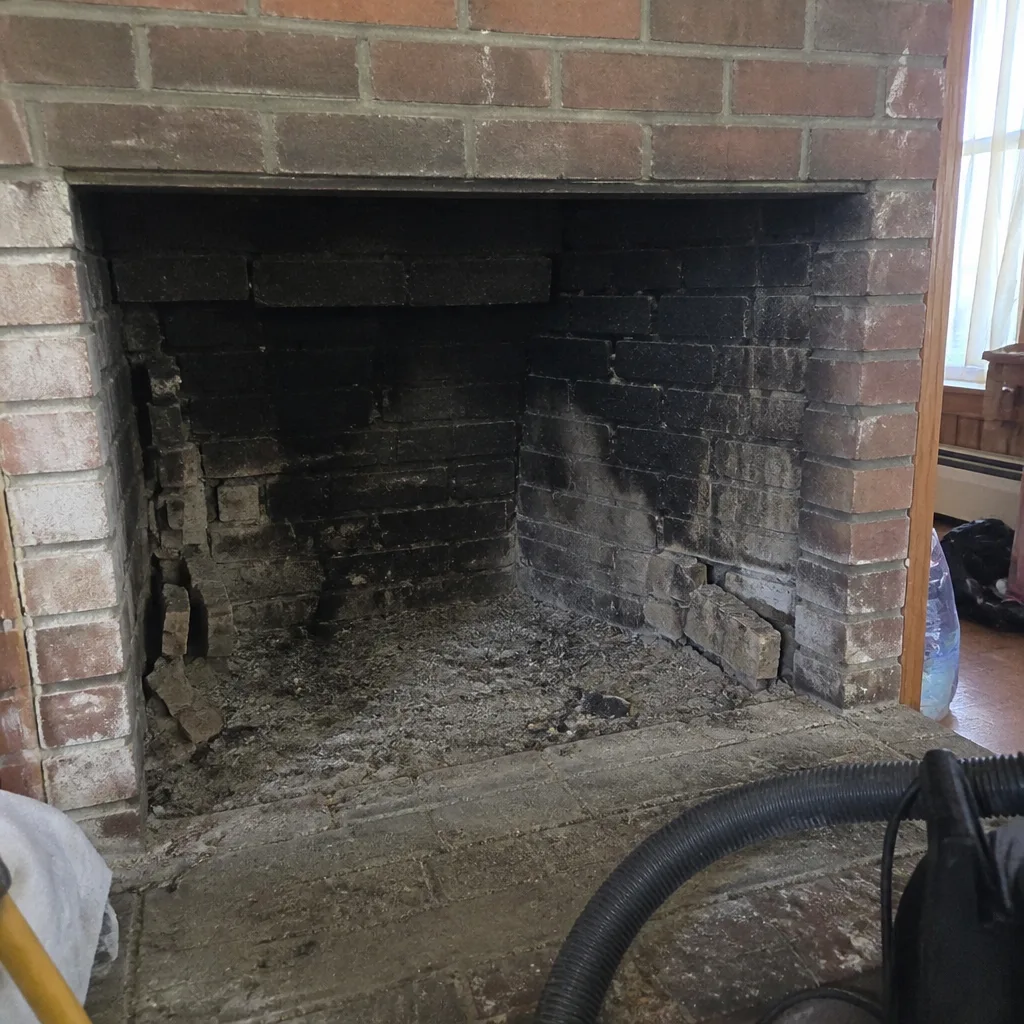 Before
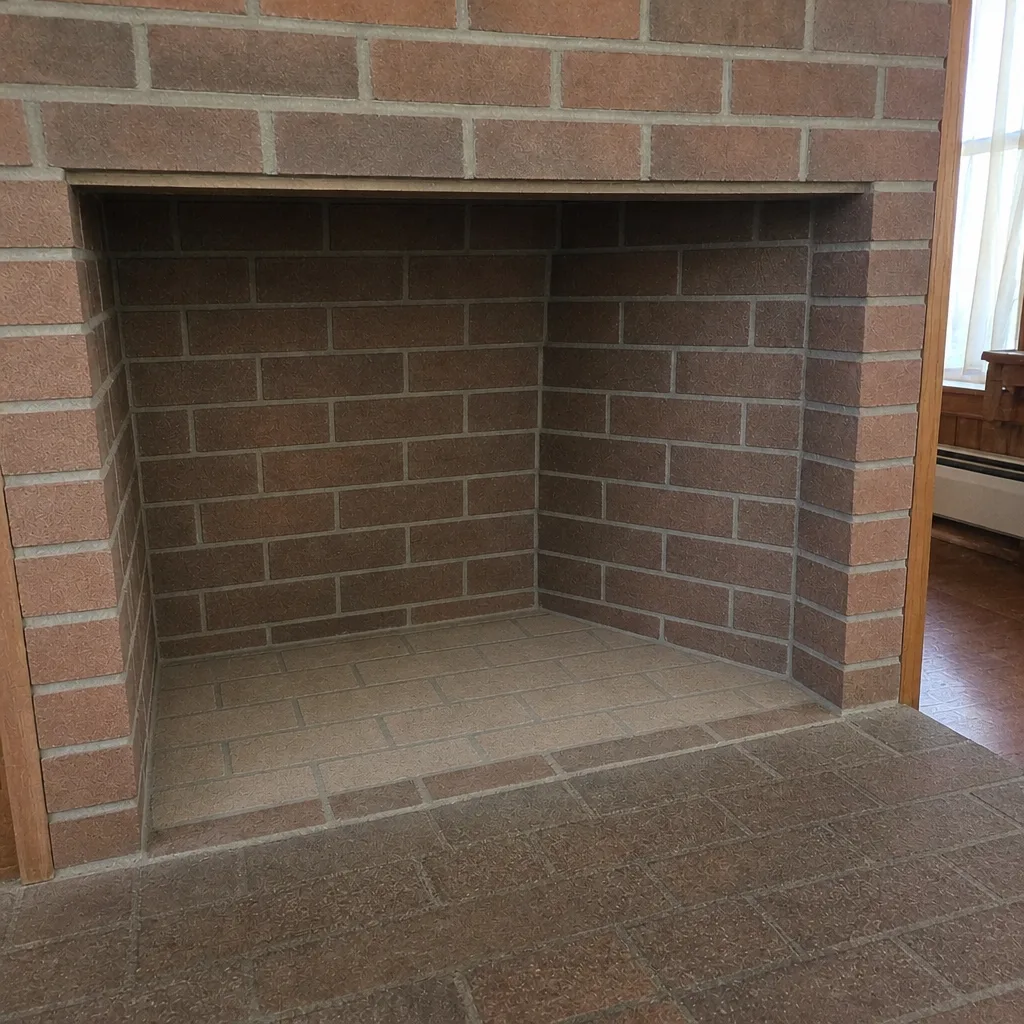 After
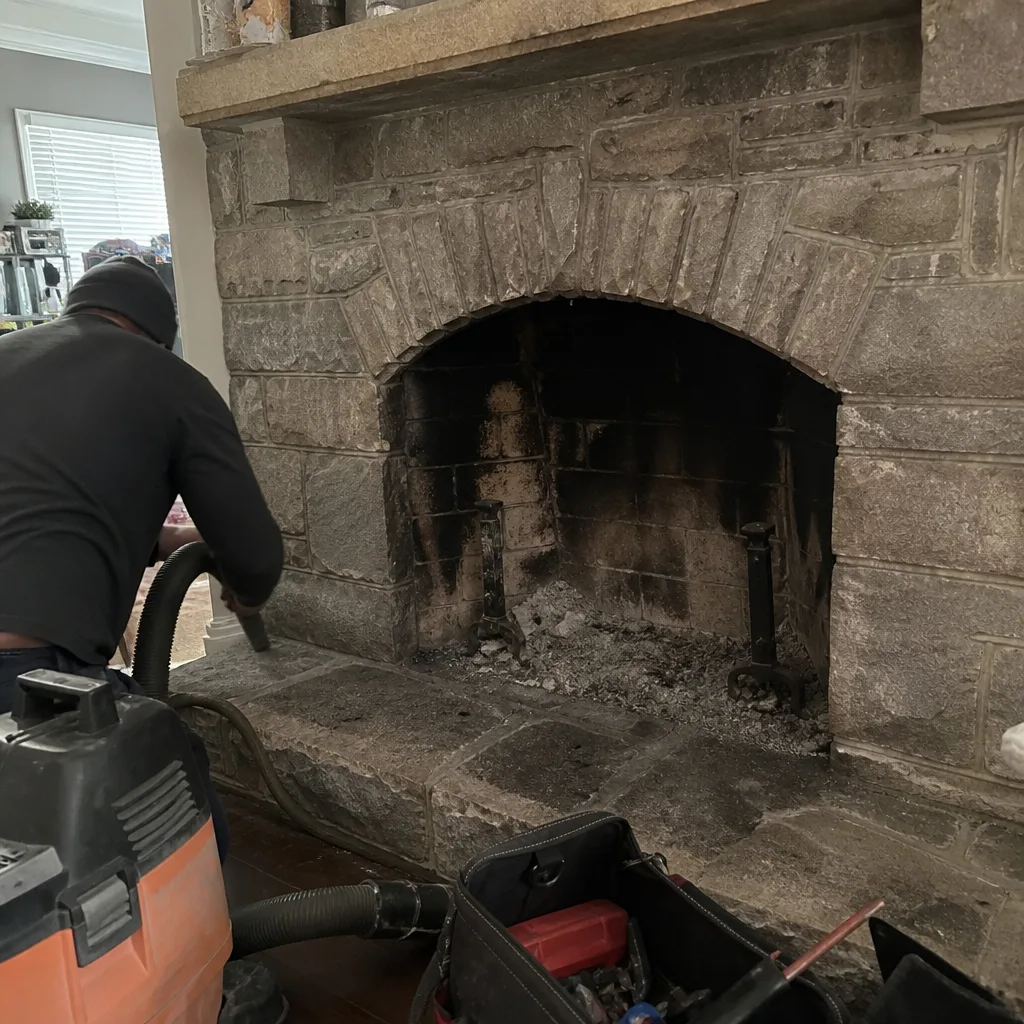 Before
 After
 Before
 After