
Last updated November 24, 2026
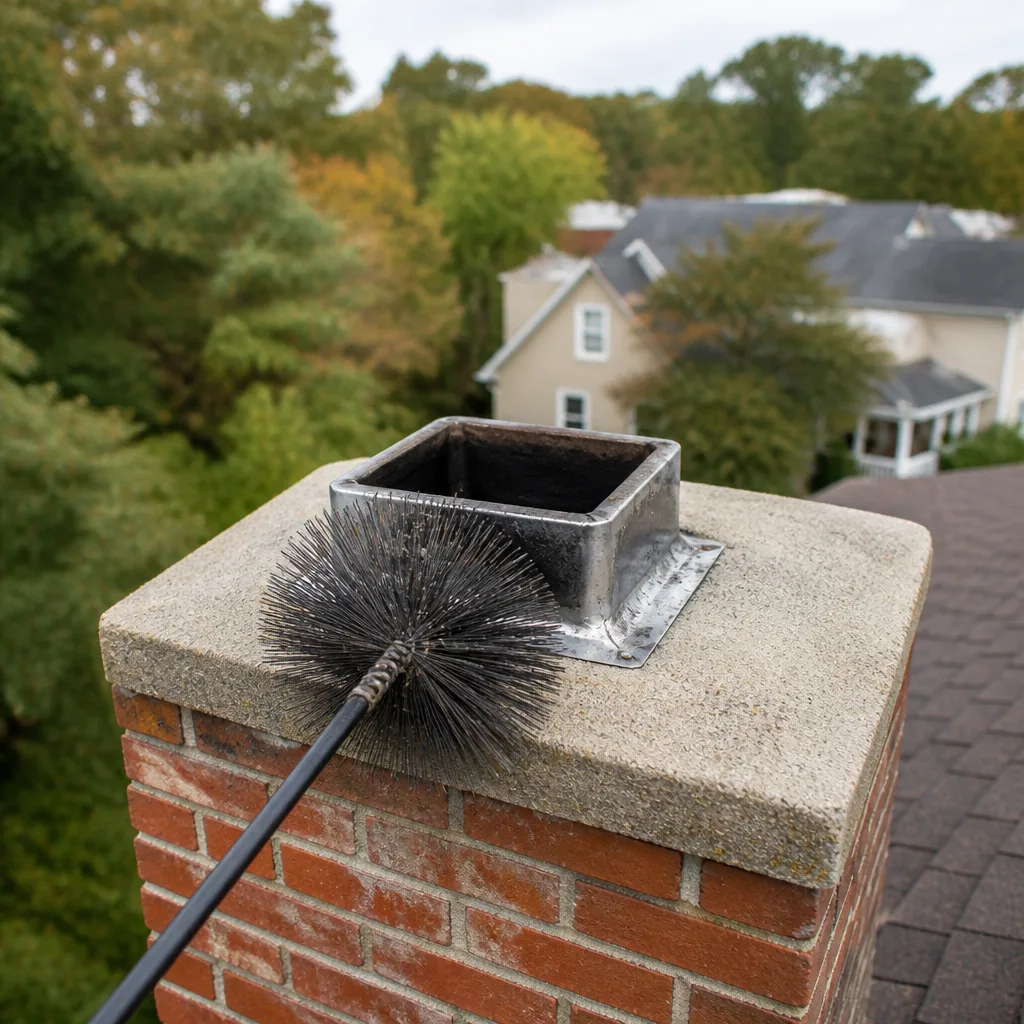 Sweep & inspection
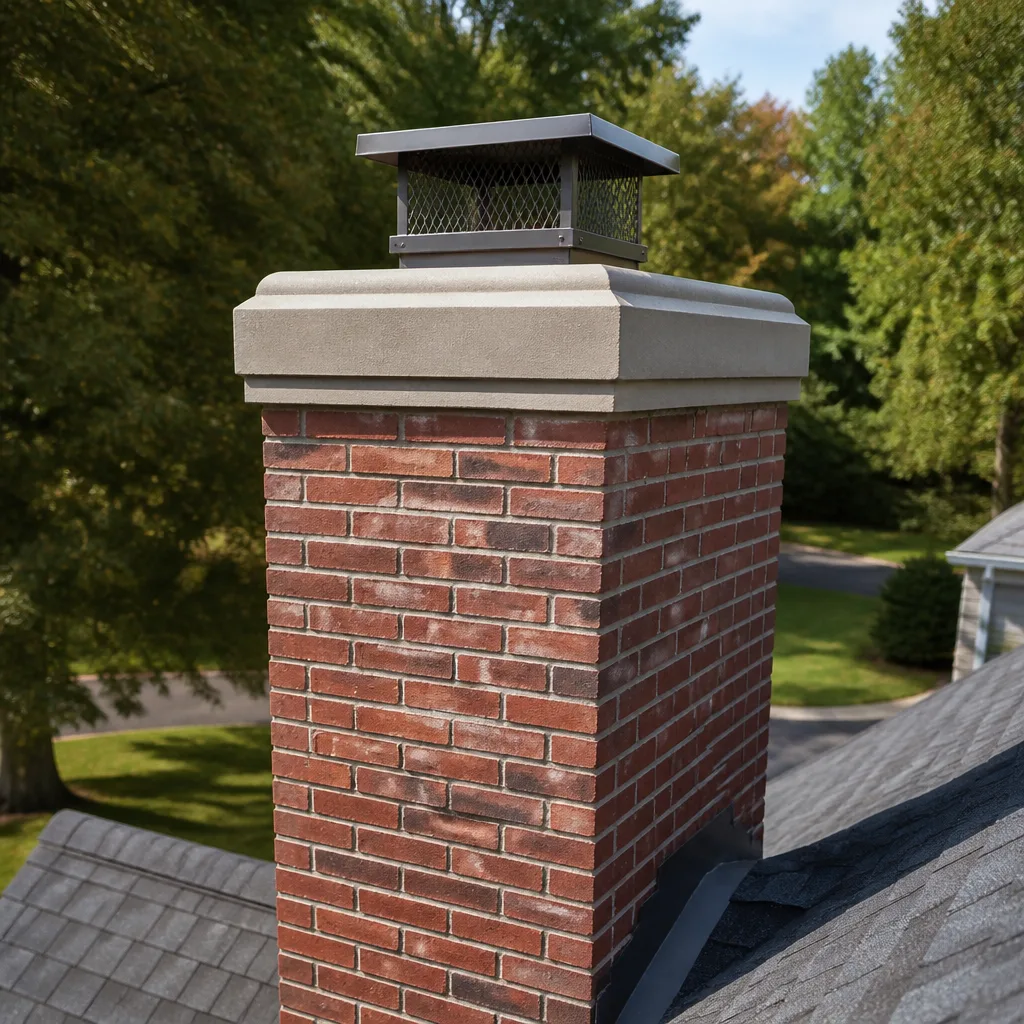 Caps & crowns
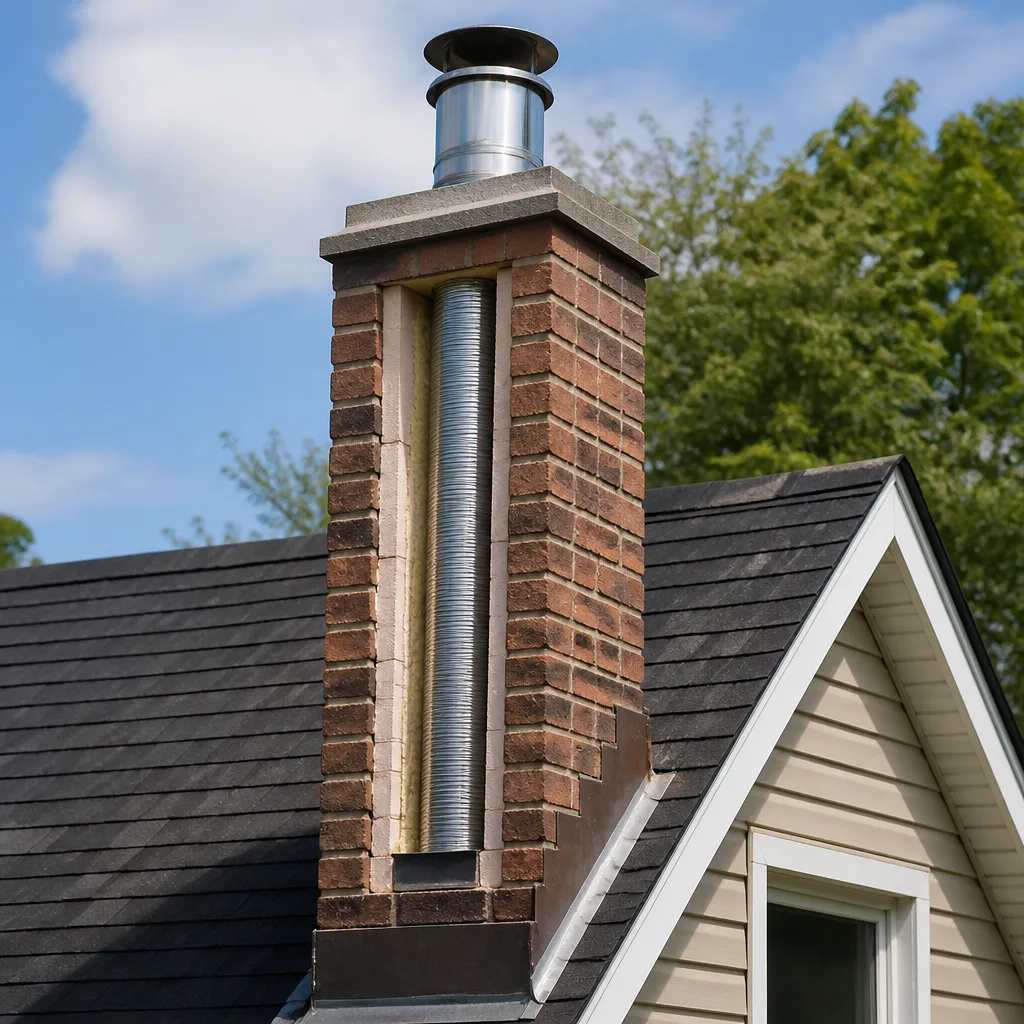 Flue relining
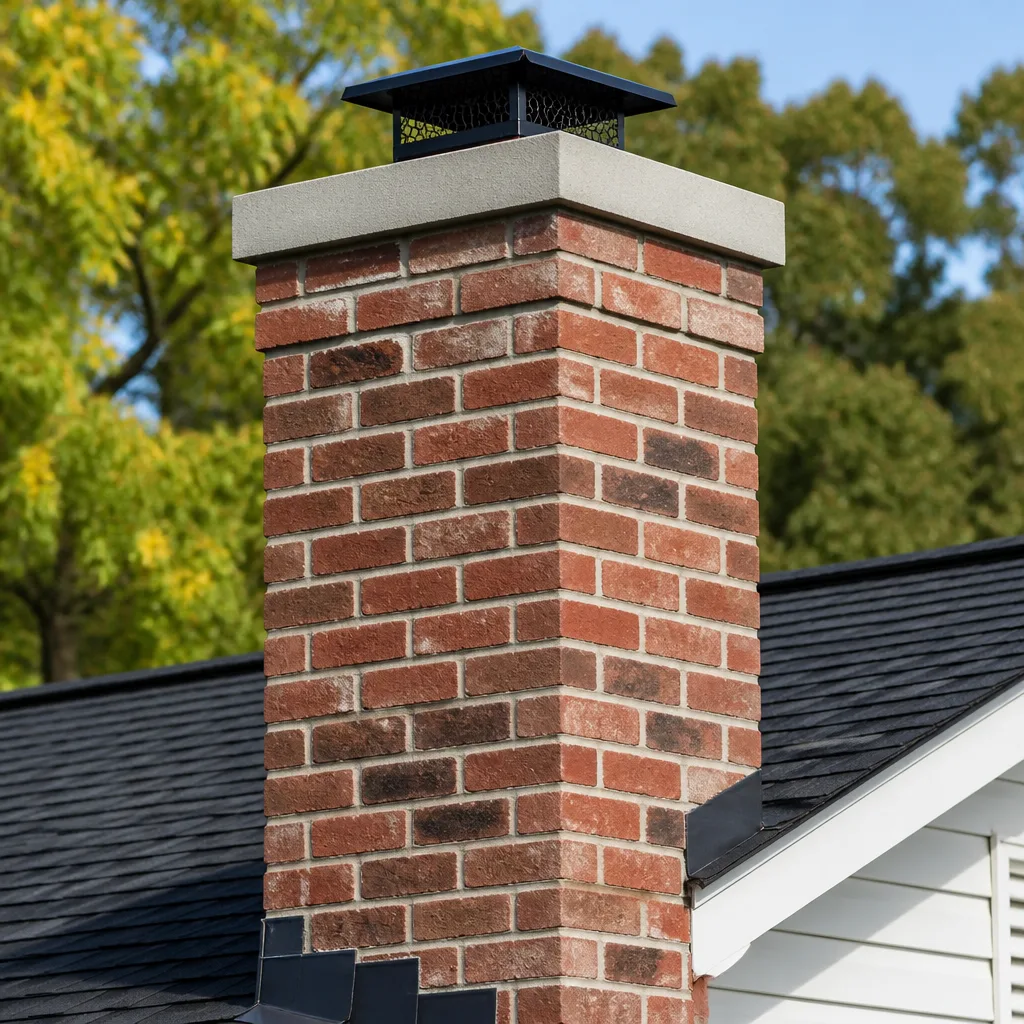 Masonry repair
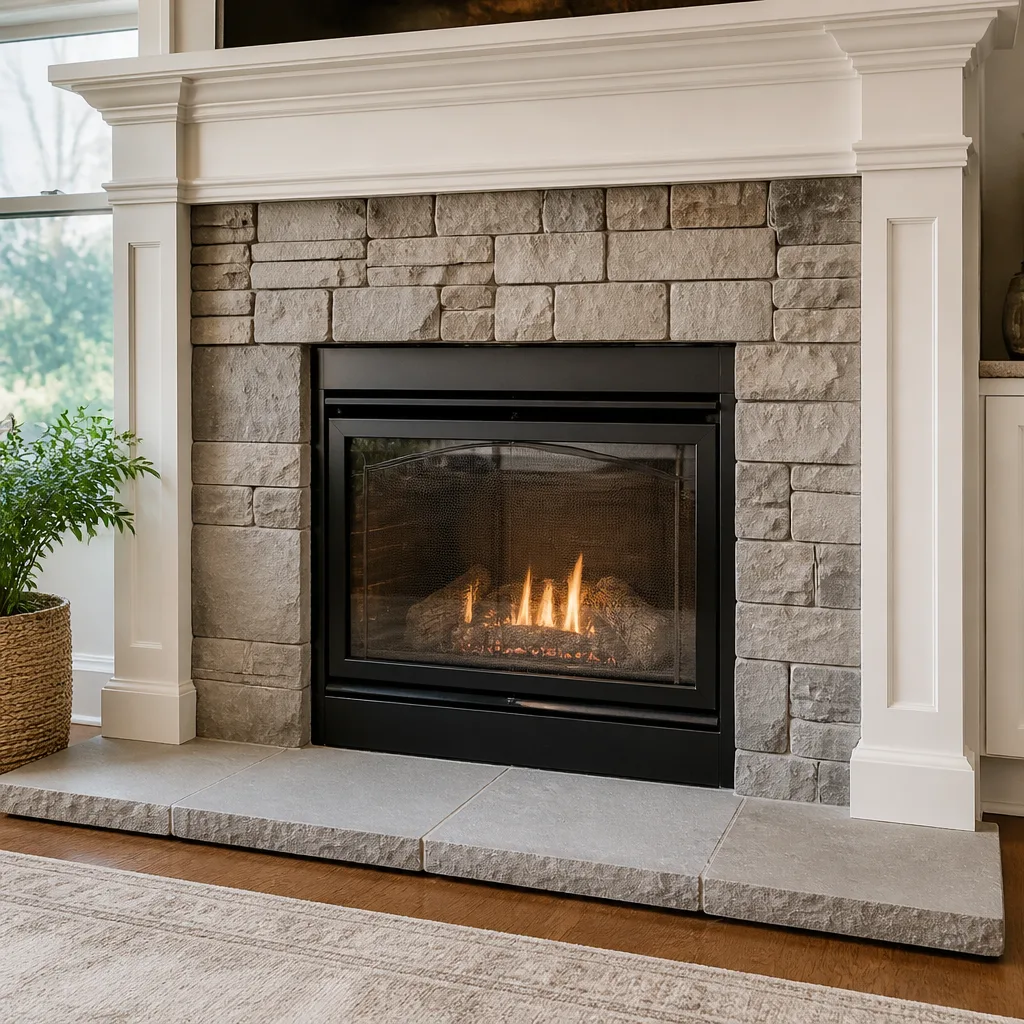 Gas fireplace service
Level 1 sweep and inspection to the NFPA 211 annual standard - flue, crown, cap, and flashing checked and photographed
Chimney sweep logs do not sweep chimneys. They loosen some creosote - which then falls where a brush and vacuum still have to collect it.
Chimney Cleaning Emergency Preparedness Guide for Irving Park Homes
Most people picture a chimney fire as flames roaring out the top of the house. In reality, the dangerous kind burns inside the flue and never shows a single flame from the street. A chimney fire can reach temperatures near 2,000°F within seconds of ignition, and the homeowner inside often has no idea it’s happening until they smell something wrong or notice damage on the exterior days later. What you do in the first moments matters more than almost anything else, and knowing what to look for before anything happens matters more still. This guide covers how to recognize a chimney fire in progress, the exact sequence of actions to take, how carbon monoxide risk differs from fire risk, what happens after an event, and the maintenance practices that keep these emergencies from starting at all. We’ve written it for Irving Park homes specifically, because the housing stock and the way people heat here shape the risks.
Quick Answer
If you suspect a chimney fire, get everyone out of the house, call 911, and do not use water or try to fight it yourself. From outside, look and listen for the signs: roaring or rumbling, a hot smell, smoke that doesn’t match what’s burning, or sparks and cracks at the top of the flue. Even a chimney fire that appears to burn out on its own leaves the flue compromised and demands a Level 3 inspection before the fireplace is used again. Prevention comes down to creosote control and checking liner integrity, which is exactly what a yearly chimney sweep is for.
Styles & brands we work with
- Sweep & inspection
- Caps & crowns
- Flue relining
- Masonry repair
- Gas fireplace service
Table of Contents
- How Do You Recognize a Chimney Fire in Progress?
- What Are the Correct Immediate Actions, in Order?
- Why Is Carbon Monoxide a Different Kind of Danger?
- What Happens After a Chimney Fire? The Level 3 Inspection
- How Do You Prevent This? Creosote and Liner Monitoring
- What About Sudden Structural Failures?
- What Makes Irving Park Homes Different?
- How Do You Prepare Before the Heating Season?
How Do You Recognize a Chimney Fire in Progress?
A chimney fire announces itself through sound, smell, and what you can see from the yard, and the signs vary by what kind of chimney you have. A slow, smoldering fire may produce almost no flame and only a low roar you’d mistake for wind. A fast, hot fire sounds like a freight train or a distant jet engine and is unmistakable once you’ve heard it described. Recognition in the first thirty seconds is the whole game.
Inside the house, listen and smell:
- A roaring, rumbling, or crackling sound that seems to come from the flue above the firebox, louder than the fire itself.
- Puffs of smoke or a strong, acrid, tar-like smell pushing back into the room from the stove or fireplace opening.
- A sudden, intense heat radiating from the flue or the metal flue pipe if one is exposed.
- Clicking, ticking, or tapping from metal liners or connectors expanding under extreme heat.
From outside, look and listen:
- Dense smoke, sparks, or small pieces of flaming creosote erupting from the top of the chimney.
- A low roaring sound audible over the roof, sometimes compared to a train or a blowtorch.
- Heat or smoke rising from cracks in the chimney structure or between the bricks and the roof line.
- Discolored or warped metal at a flue cap or a blackened, burned appearance at the crown.
Different chimney types give different clues. A masonry chimney may show a cracked crown or smoke escaping through mortar joints. A factory-built or metal flue can show warping or heat discoloration on the cap and connector pipes. A stainless liner system, the kind we install, holds up far better to heat than bare flue tile, but a liner doesn’t make creosote ignite any less hot. The signs of the fire are the same; the damage patterns are different.
What you can’t count on is visibility. A common experience among people who have had one is that they never saw flames at all. They smelled something hot or noticed charring on the exterior later. If something about the sound or smell of the fireplace feels wrong, treat it as a real possibility and act on it.
What Are the Correct Immediate Actions, in Order?
When you suspect a chimney fire, the correct sequence is small and fast: evacuate, call 911, close the damper on your way out if you can do it safely, and keep the fire from getting more air. Do not pour water down the flue. Do not spray it with a fire extinguisher from inside the firebox. Do not call a sweep first. The 90 seconds following ignition decide how much damage the fire does, and the priority in that window is people, not property.
Follow these steps in order:
- Get everyone outside. Don’t stop to gather belongings. Move to the yard or the street, away from the house.
- Call 911. A chimney fire can spread to attic framing, roof sheathing, or the structure itself. Firefighters are trained to handle it and can confirm whether anything outside the flue has caught.
- If you can do it without delay, close the damper and shut the stove or fireplace door as you leave. Cutting air slows the fire, but only do it on the way out. Never re-enter a house you’ve already left to do this.
- Do not add water to the flue. A slug of water hitting a liner or tile heated to hundreds or thousands of degrees can shatter it. The fire won’t be put out that way, and you’ll have a busted flue on top of a fire.
- Watch from outside. Note what you see and hear so you can describe it to responders and, later, to a sweep. Sparks, smoke color, and the size of the fire all matter.
- Do not use the fireplace again until it’s inspected. A chimney fire that burned itself out still left a compromised liner, cracked tile, or damaged creosote chambers behind. Using it again can start a second, worse event.
The instinct to “call the chimney guy” is understandable, and it’s wrong in the first minutes. A sweep will tell you the same thing: if you’re not sure it’s a chimney fire, call 911 and treat it as one. The fire department can clear the house and the structure. If it turns out to be something smaller, nobody minds.
The same principle applies when the chimney gives you structural warnings. A loose or missing cap, cracked crown, or crumbling flue is its own kind of emergency. A properly fitted chimney cap & crown protects the top of the system from water intrusion and wildlife, and if a cap has come loose or a crown has split, closing it off is the right call before water goes into the flue.
Why Is Carbon Monoxide a Different Kind of Danger?
Carbon monoxide and chimney fires both come from combustion, but they behave nothing alike. A chimney fire is a heat and flame event inside the flue. Carbon monoxide is a tasteless, colorless gas that comes from incomplete combustion and, critically, from a blocked or improperly venting flue. You cannot smell it, see it, or hear it. It’s the quiet failure, not the loud one, and it can happen slowly over days, not in one dramatic minute.
CO risk in a chimney system shows up in a few specific situations:
- A blocked or partially blocked flue. Creosote, a bird nest, a collapsed flue tile, or a fallen cap can redirect exhaust into the home instead of outside.
- A weak draft or backdraft. Negative pressure in the house, especially in a tightly sealed home, can pull flue gases back down the chimney and into living space.
- Cracks or gaps in a liner or flue tile. A liner that has failed lets gases escape into wall cavities and framing spaces instead of up and out.
- A fireplace or stove burning inefficiently. A smoky, poorly burning fire produces more CO and can back up if the flue isn’t pulling.
This is where detector placement matters, and most people get it wrong. A CO detector in the hallway or near the bedrooms is standard, but a detector near the fireplace or stove gives a home a second, closer line of warning. The reason is simple: an improperly venting fireplace releases gas at the hearth and it spreads outward. A detector positioned on the wall within the room or the adjacent room catches the problem earlier than one on the other side of the house. Keep it at roughly head height, not on the ceiling or near a doorway where drafts can push air past it. If the detector sounds, get everyone out and call the fire department. Do not shut it off and open a window.
A CO detector is a backstop, not a substitute for an inspection. A sweep checks for cracks, blockages, and drafting problems that a detector will only alert you to once the air in the room has already accumulated the gas. We inspect before we recommend, which is why a standalone inspection matters: it’s how we confirm the flue is doing its job before anything shows on a meter.
What Happens After a Chimney Fire? The Level 3 Inspection
After any chimney fire, the chimney needs a Level 3 inspection before it’s used again. That’s the conclusion, and there’s no shortcut around it. Here’s why: a chimney fire can look like it did nothing from the outside, and still leave the liner cracked, the flue tiles spalled, mortar joints cooked, or the internal structure unsound. The fire doesn’t have to produce exterior damage to have destroyed the safety of the system.
The level of inspection matters. Industry practice recognizes three levels:
- Level 1 covers the readily accessible portions of the chimney and appliance. It’s the standard yearly inspection when nothing has changed.
- Level 2 adds a camera inspection and covers accessible portions of the chimney, including areas that can’t be reached without camera equipment. It’s a common inspection level for real estate transactions and after a change to the system.
- Level 3 involves opening up portions of the chimney or surrounding structure, such as removing panels or sections, to inspect areas that can’t be reached otherwise. It’s what you need after a chimney fire or another event that may have hidden damage.
What the inspection looks for: cracks in the liner, spalled or missing flue tile, broken or displaced mortar joints, failed or damaged caps and crowns, warped metal in a factory-built flue, and internal creosote that has fused to the walls in the glazed form. The camera gives you evidence you can see, not just a report of findings. If a liner needs to be replaced, the choice of liner material and method matters, which is where products like a DuraFlex flexible liner system, a HeatShield resurfacing, or a properly fitted cap from Gelco or Famco come in. The right product for the flue, installed for that flue, is the difference between a repair that lasts and a repair that gets redone.
If the inspection comes back clean, that’s a good outcome. If it comes back with a problem, the correction depends on the flue. A cracked flue tile that hasn’t compromised the structure may be repairable with resurfacing or a liner. A failed metal flue may need a new liner system. A crown or cap failure is separate from the liner and gets addressed on its own. The point is that we don’t recommend a repair without evidence. You should be able to see the photo, understand the problem, and know that skipping or delaying the work would leave a real risk. When work can safely wait until the weather is better or the season is slower, we’ll tell you that too.
How Do You Prevent This? Creosote and Liner Monitoring
Creosote is the fuel that makes chimney fires possible, and controlling it is the single most effective way to prevent one. Creosote forms when wood smoke cools inside a flue and condenses on the walls. It builds up in stages, and those stages matter because each one burns differently.
- Stage 1 creosote is a light, flaky, soot-like deposit. It comes off in a routine sweep and ignites less readily. This is the stage you want to interrupt, every year if the fireplace is used regularly.
- Stage 2 creosote is denser, darker, and harder to remove. It can be tar-like or crusty and requires more effort to sweep. If your flue has reached this stage, a yearly sweep may not be enough.
- Stage 3 creosote is a glazed, hardened, tar-like deposit that’s difficult to remove and ignites at a relatively low temperature. It’s the most dangerous stage and often means the chimney has been running too cool, too long, with too much unburned wood.
Knowing which stage your flue is at is the whole point of an inspection and a sweep. A sweep doesn’t just remove the deposit; it tells you what kind of deposit it was. If you find out your flue has been building Stage 3 creosote, the remedy is more frequent sweeping, better burning practices, and often a discussion about draft, air supply, and the chimney’s internal condition. If a flue has been running cold and producing heavy creosote, HeatShield resurfacing may be the right move to seal a flue and restore a surface that a liner or sleeve can’t reach.
Liner integrity is the other half of prevention. A liner that’s cracked, spalled, or disrupted lets heat and gases reach framing it shouldn’t touch. A yearly check of the liner, done with a camera, is how that gets caught before something happens. In practice, the homeowners who avoid emergencies are the ones who get a sweep and inspection done once a year, and who understand that a flue that isn’t pulling well is telling them something.
Burning practices matter too. Seasoned, dry wood burns hotter and cleaner and produces less creosote than green or wet wood. A hot, lively fire with plenty of air gets the flue up to a temperature where the smoke burns more fully and leaves less behind. A cool, smoldering, overnight-style fire is the classic recipe for heavy creosote. Small changes to how you burn make a measurable difference over a season.
What About Sudden Structural Failures?
Fires and carbon monoxide are the risks people think about first, but chimneys also fail structurally, and those failures are their own emergency. A crown that cracks and lets water into the flue, a cap that blows off in a storm, a chimney that pulls away from the house, or masonry that crumbles and drops debris into the flue can all create problems that look completely unrelated to the chimney at first.
Signs of a structural problem worth acting on:
- Cracked or missing mortar joints between chimney bricks, especially near the top.
- A cracked, pitted, or split chimney crown, which lets water run into the flue and freeze.
- A missing or loose cap or cap screen, which lets water, birds, and squirrels in and lets sparks out.
- Discoloration, rust staining, or white efflorescence on the chimney exterior, which can indicate water intrusion.
- A chimney that leans or has visible gaps where it meets the house or roof line.
Water is the quiet structural enemy. In a place like Irving Park, with wet winters and freezing temperatures, water that gets into a flue and masonry freezes and expands. That freeze-and-thaw cycle widens cracks, spalls flue tile, and breaks mortar. It’s how a small crown crack becomes a liner failure. A functioning cap and a sound crown are the first line of defense. That’s why the right cap for your flue matters more than the nearest one in stock, and why cap selection isn’t a one-size-fits-all hardware-store item: fit and airflow matter, and a poor fit creates more problems than it solves.
Chimney repair is a separate scope from sweeping and inspection, and it’s often the piece homeowners miss because a sweep-only contractor doesn’t do it. When you need crown work, a cap replacement, masonry repair, or structural work, one contractor handling the sweep, the repair, and the inspection avoids the gap where one party reports the problem and another entirely different party fixes it, with no shared record of the original issue. The structural side and the combustion side of your chimney are two different failure categories, and you want both covered.
What Makes Irving Park Homes Different?
Irving Park’s housing stock shapes chimney risk in ways that a generic guide won’t capture. A lot of the homes here are older, and older homes often come with chimneys that were built for a different era of heating. When a house was originally heated with a wood or coal stove and later retrofitted with a fireplace, insert, or more modern heating appliance, the flue that served the old appliance may not be correctly sized for the new one. An undersized flue drafts poorly, which means cool smoke, which means creosote, which means fire risk. That’s a pattern we check for on older Irving Park homes and one that a bare cleaning won’t catch.
The climate matters too. This part of North Carolina gets real winters, with cold stretches and freeze-and-thaw cycles through the season. That affects both sides of the risk: on the combustion side, a flue that runs cool in shoulder season builds creosote quickly. On the structural side, water intrusion from a failed cap or crown gets frozen into expansion that cracks the flue and masonry. A chimney that would survive a mild winter with a small crack can lose that fight in an Irving Park cold snap.
Irving Park’s tree canopy and the way the area is built also affect what ends up on and in a chimney. Leaves, twigs, bird nests, and squirrels find their way into uncapped flues, and a blocked flue causes CO to back up into the house. A cap with a screen stops that. When we replace a cap, the fit and screen are as important as the cap itself, and that’s why we source from cap makers whose products are built for a specific flue diameter, not a generic size that gets “close enough.”
Then there’s the appliance mix. Homes here vary from classic open-hearth fireplaces to modern wood stoves and inserts. Each one vents differently and each one produces a different creosote pattern. There’s no single schedule or single repair that fits all of them. An inspection that accounts for the specific appliance and flue is how you get a real answer about what your chimney needs. The market also matters: when a chimney repair is quoted, the price reflects the actual work and materials for that flue, and the written estimate is what sets the final price. If someone quotes you a number before inspecting, with a product name but not a look at your flue, that’s a sign to ask for an inspection first.
How Do You Prepare Before the Heating Season?
The best emergency preparedness is a process, and the process starts before the first fire. Scheduling the sweep and inspection before you start burning gives you a current picture of the flue and time to handle what it finds. Waiting until the first cold snap is when problems show up as emergencies, and that’s exactly when you don’t want them.
A practical pre-season checklist for an Irving Park home:
- Book a chimney sweep and inspection before the season. A sweep removes the deposit; an inspection tells you what was in there and whether the liner is sound. Doing both together gives you a real answer.
- Test every CO detector and check placement. Replace the batteries, and add or move a detector within the room or adjacent room of the fireplace or stove if one isn’t there.
- Look at the chimney from the ground before you light the first fire. Check for a missing cap, loose crown, cracked masonry, or visible damage to the cap screen. A camera or a quick look up the flue can catch a nest or obstruction.
- Have the wood ready and dry. Seasoned wood, split and stacked and covered, burns hotter and cleaner than green wood. If you’re not sure what you’re burning, plan on more frequent checks.
- Know the plan. Every person in the house should know to get out and call 911 if there’s a roaring sound or an unusual smell, not to try to fight it. Two minutes of practice goes further than any checklist.
- Keep the chimney closed off when it’s not in use. When you’re not burning, a proper cap and damper protect against water, animals, and debris, and stop problems from starting between seasons.
If you’re not sure whether the chimney needs a sweep before winter, the answer is to have it looked at. A flue that was fine last year can have a new problem this year. A sweep and inspection before the season gives you a current answer, and the estimate is free.
Common Mistakes to Avoid
- Trying to fight a chimney fire with water or a hose. Water on a superheated flue can shatter a liner or a tile, and it doesn’t put the fire out. The right move is to get out and call 911, not to play firefighter.
- Assuming it wasn’t a real chimney fire because you never saw flames. Many chimney fires burn invisibly inside the flue. The smell, the sound, and the smoke are the evidence, and any of them is enough to stop using the chimney until it’s inspected.
- Using the chimney again after a fire without an inspection. A chimney that survived a fire without visible damage can still have a damaged liner or flue tile. The next fire is what finds out.
- Putting a CO detector far from the fireplace and calling it done. The standard hallway detector is useful, but a closer detector in the room or adjacent room catches a venting problem earlier, which is when it matters.
- Skipping the yearly sweep because the fire “looks clean.” Creosote buildup and liner damage don’t show in the firebox. A staged creosote or a cracked flue is found in the flue, which is why the sweep and inspection belong together.
- Burning wet or green wood because it’s what’s available. Wet wood burns cool and produces more creosote. It’s one of the most common reasons a flue reaches Stage 3 creosote in Irving Park, and it’s entirely preventable.
- Treating a missing cap or a cracked crown as cosmetic. Those are the two most common ways water gets into a flue in Irving Park, and water intrusion is what cracks and spalls liners. Fix them when you find them.
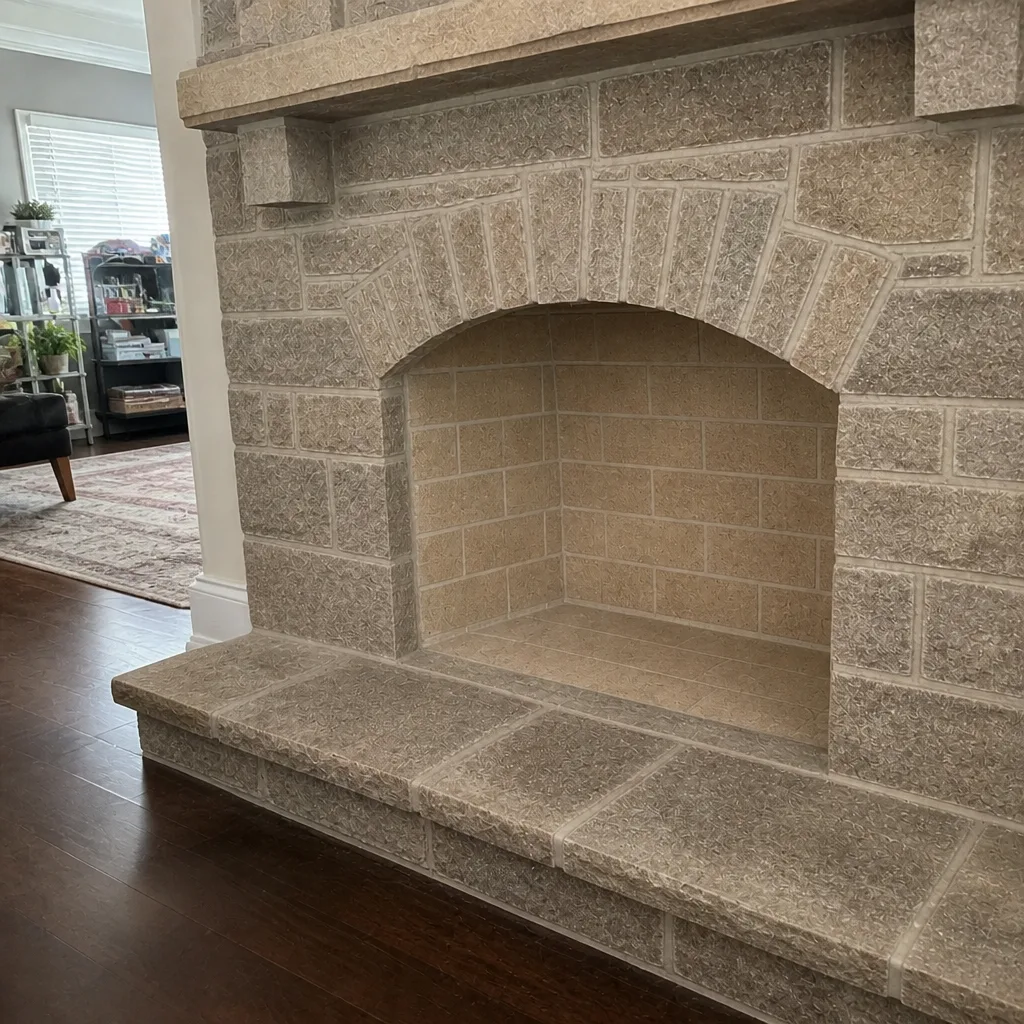
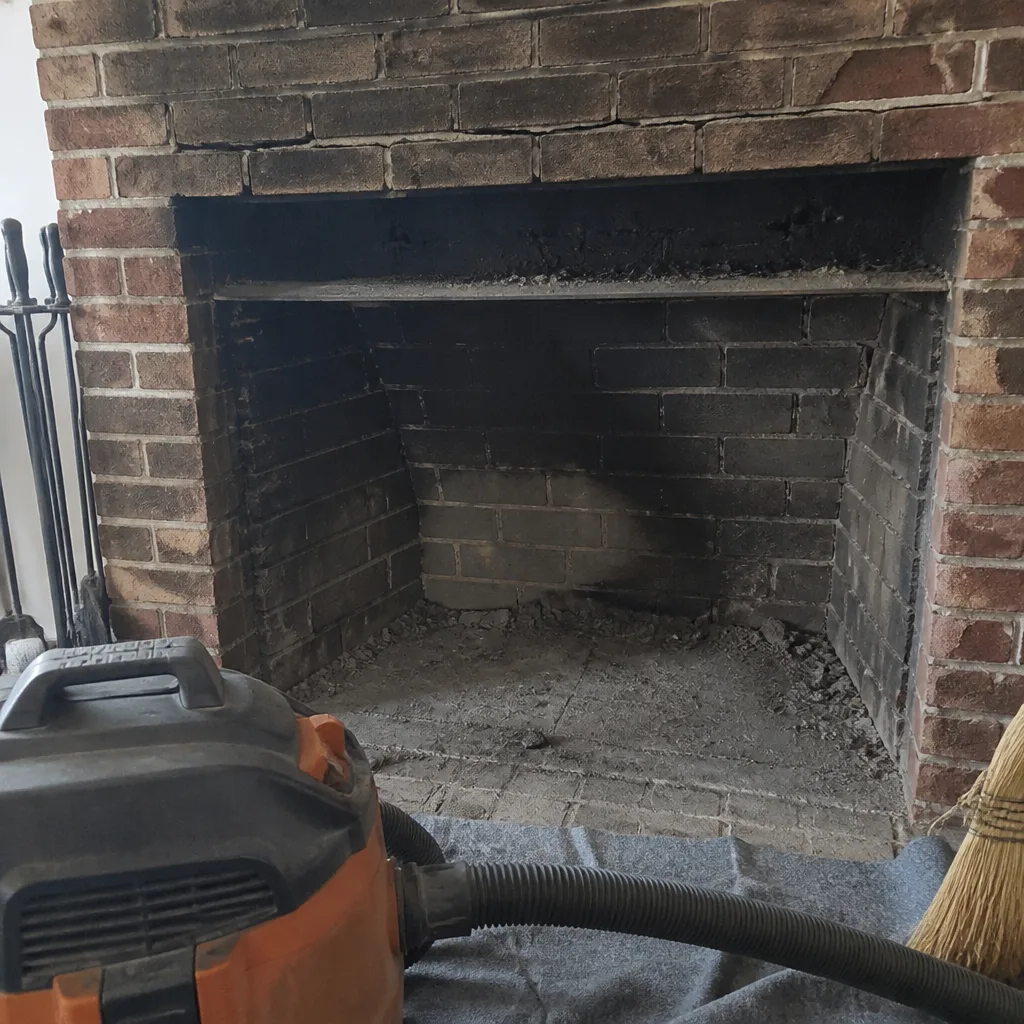
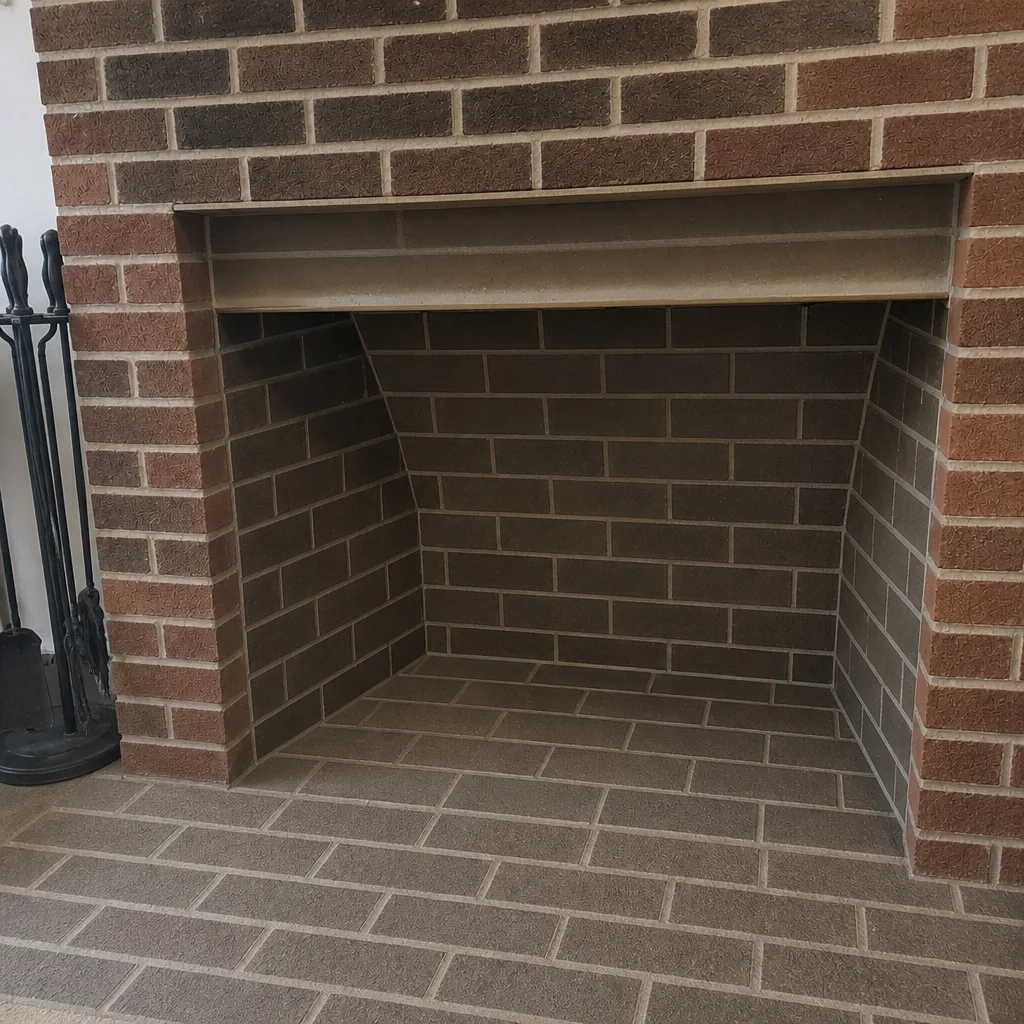
See the difference
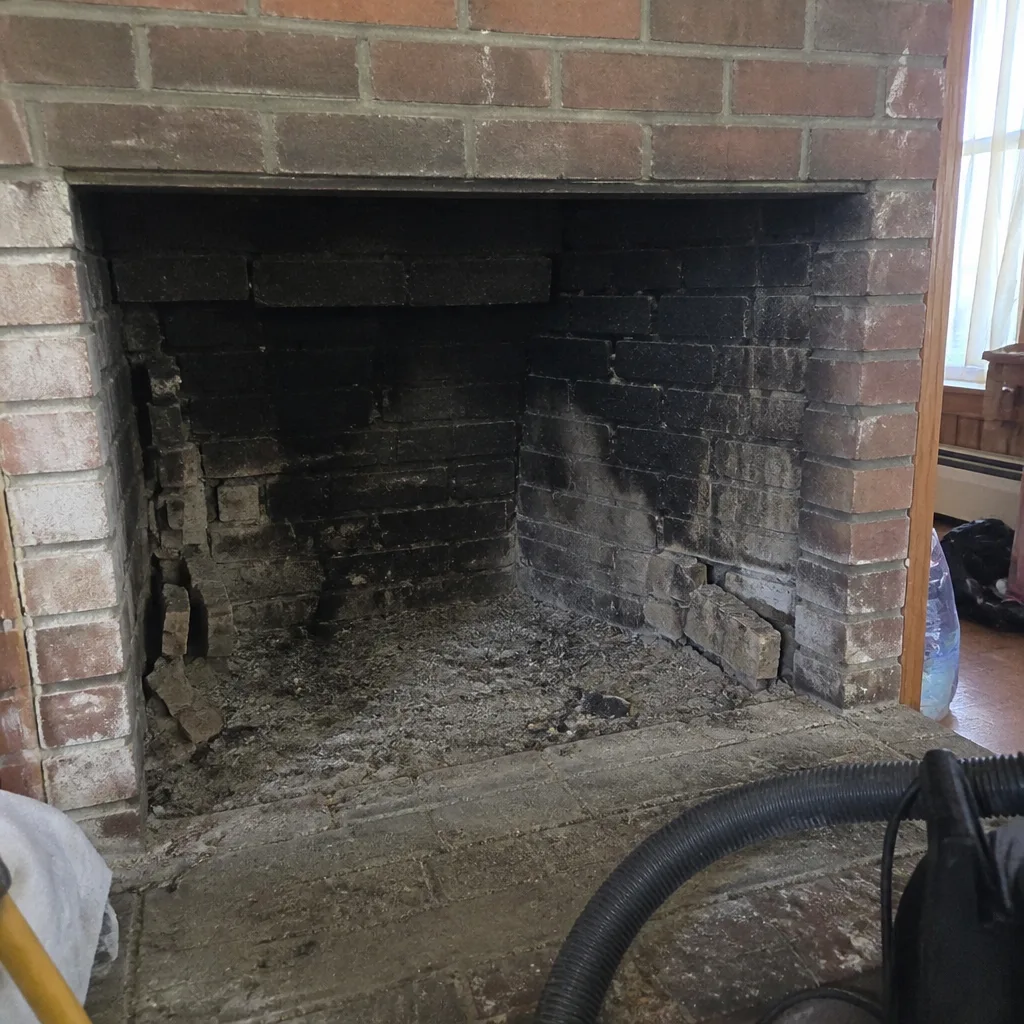 Before
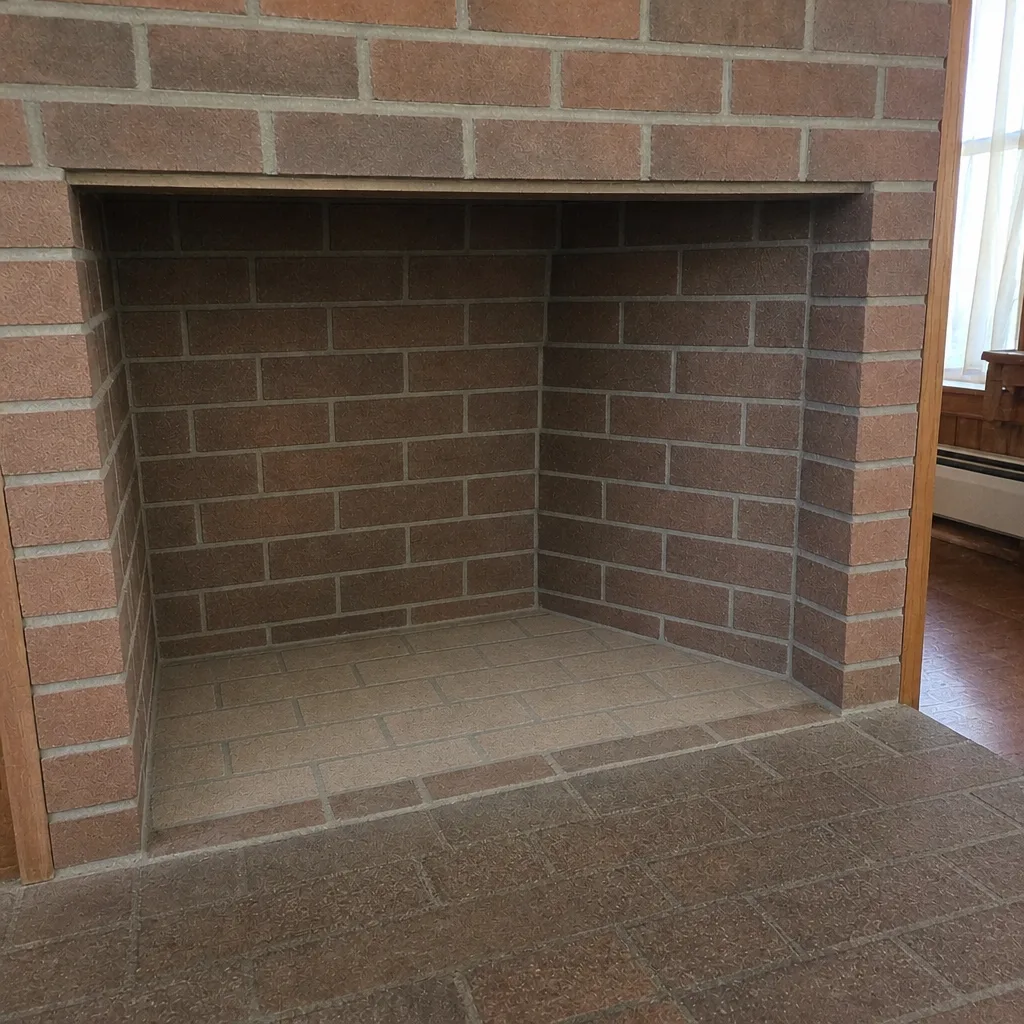 After
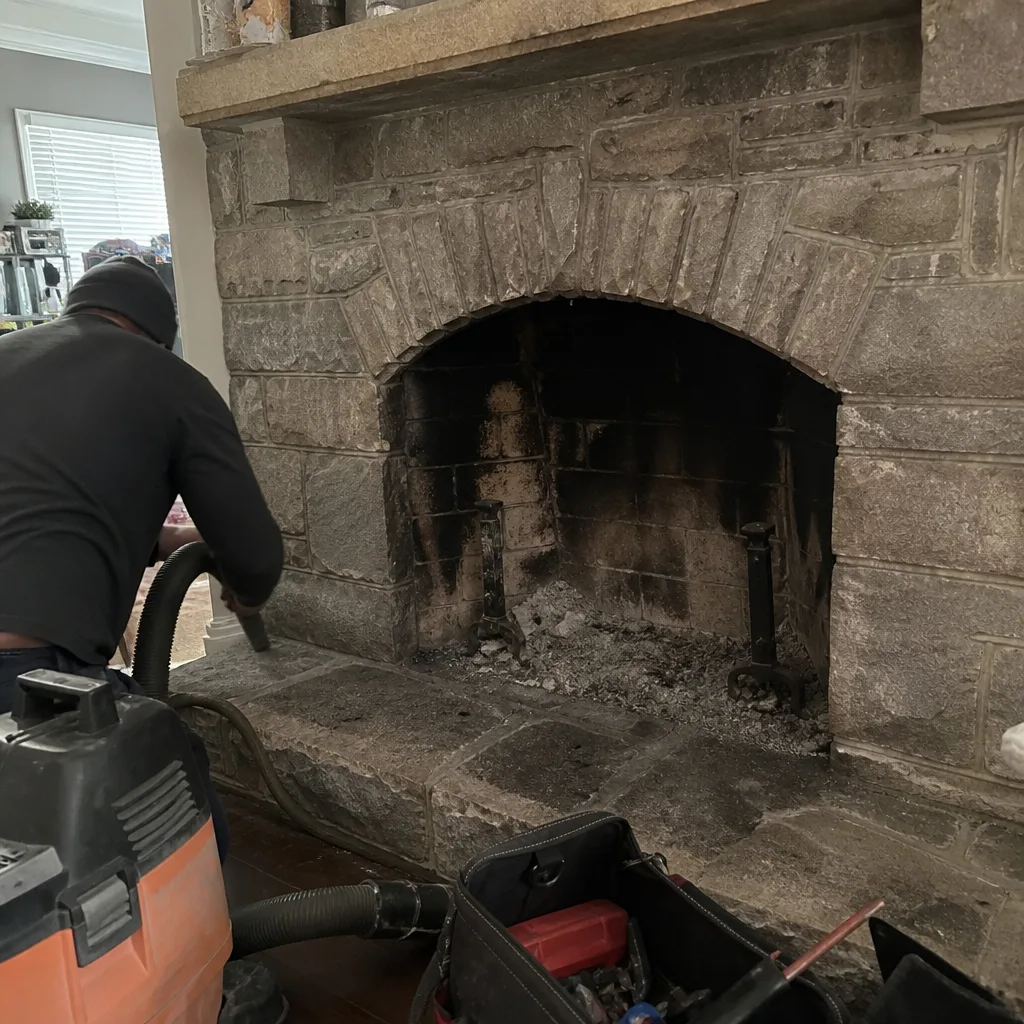 Before
 After
 Before
 After
When to Call a Professional
Call a professional after any suspected chimney fire, even one that appears to have burned itself out. Call if you smell a strong, acrid smoke odor from the fireplace that doesn’t match what’s burning, if you see cracked or spalled tile, if a cap has come loose or missing, if a crown is split, or if a CO detector has gone off and the cause hasn’t been found. If you’re buying a home in Irving Park, an inspection will document the flue’s condition for the transaction. If the house is older and you’re not sure the flue was ever sized for the appliance in use, call for an inspection you can see the evidence from, rather than a recommendation you have to take on trust. And if you’re not sure whether the chimney is safe to use this season, call for an inspection rather than guess. Chimney Sweep Irving Park offers free estimates in Irving Park, call Chimney Sweep Irving Park at (844) 625-7370. We answer 24/7. Fast dispatch from 7am to 7pm, Sunday through Friday.
Frequently Asked Questions
The cost of a chimney sweep in Irving Park varies with the flue, the appliance, and the amount of deposit, and the written estimate sets the final price. A routine sweep on a well-maintained fireplace generally falls in a standard range, and if the inspection finds a problem the estimate will explain what the work involves and what it costs before anything is done. Call (844) 625-7370 for an exact quote, estimates are free.
You had a chimney fire if you heard a roaring, rumbling, or train-like sound from the flue, smelled a strong acrid or tar-like odor, saw dense smoke or sparks from the top of the chimney, or noticed burned or discolored areas at the cap or between bricks. You can’t assume it didn’t happen just because you never saw visible flames. If you suspect one, get an inspection before using the chimney again. Call (844) 625-7370 to book one.
Yes. A Level 3 inspection opens up areas of the chimney and surrounding structure that standard inspection levels can’t reach, because a chimney fire can damage the interior without leaving visible exterior signs. Using a chimney after a fire without that inspection risks a second, more serious event. Call us to arrange an inspection and see the evidence before deciding on any repair.
A CO detector should go in the room with the fireplace or the adjacent room, at roughly head height, and not on the ceiling or directly beside a doorway where drafts push air past it. Keep the household’s standard detector in the usual sleeping or hallway location as well. Two lines of warning are better than one, especially in an older Irving Park home. If a detector sounds, get everyone out and call the fire department.
You can book the sweep on its own, and we offer inspection as a standalone service for exactly that reason. But a sweep alone doesn’t tell you the stage of the creosote or the condition of the liner, and the liner condition is what determines whether the chimney is actually safe. If you’re only doing one visit, an inspection after the sweep is what gives you the full answer. Call (844) 625-7370 to book either.
A smoky, smelly fireplace is a warning, not necessarily an emergency in the first minutes. It can mean a blocked flue, weak draft, or a liner problem that sends exhaust into the room, and any of those need a professional look rather than repeated use. If a CO detector goes off or anyone feels dizzy or nauseous, treat it as an emergency: get everyone out and call 911. If nothing acute is happening, book an inspection before using the fireplace again. Call (844) 625-7370 for a free estimate.
The Bottom Line
Chimney emergencies in Irving Park are almost always preventable, and the prevention is unglamorous: a yearly sweep, an inspection that tells you the stage of the creosote and the condition of the liner, and a sound cap and crown keeping the water out. When something does happen, the response is short and clear: get everyone out, call 911, don’t fight it, and don’t use the chimney again without a Level 3 inspection. The first 90 seconds decide how much of the house survives. The right repair, with the right materials, and the evidence in front of you before you agree to it, is how you avoid the second event. If a fireplace is failing or has been damaged, fireplace repair handled by someone who sees the whole system, from the firebox to the crown, is the thing to arrange. Call us for a free estimate and a look at the whole chimney.
Written by the team at Chimney Sweep Irving Park.