
Last updated November 24, 2026
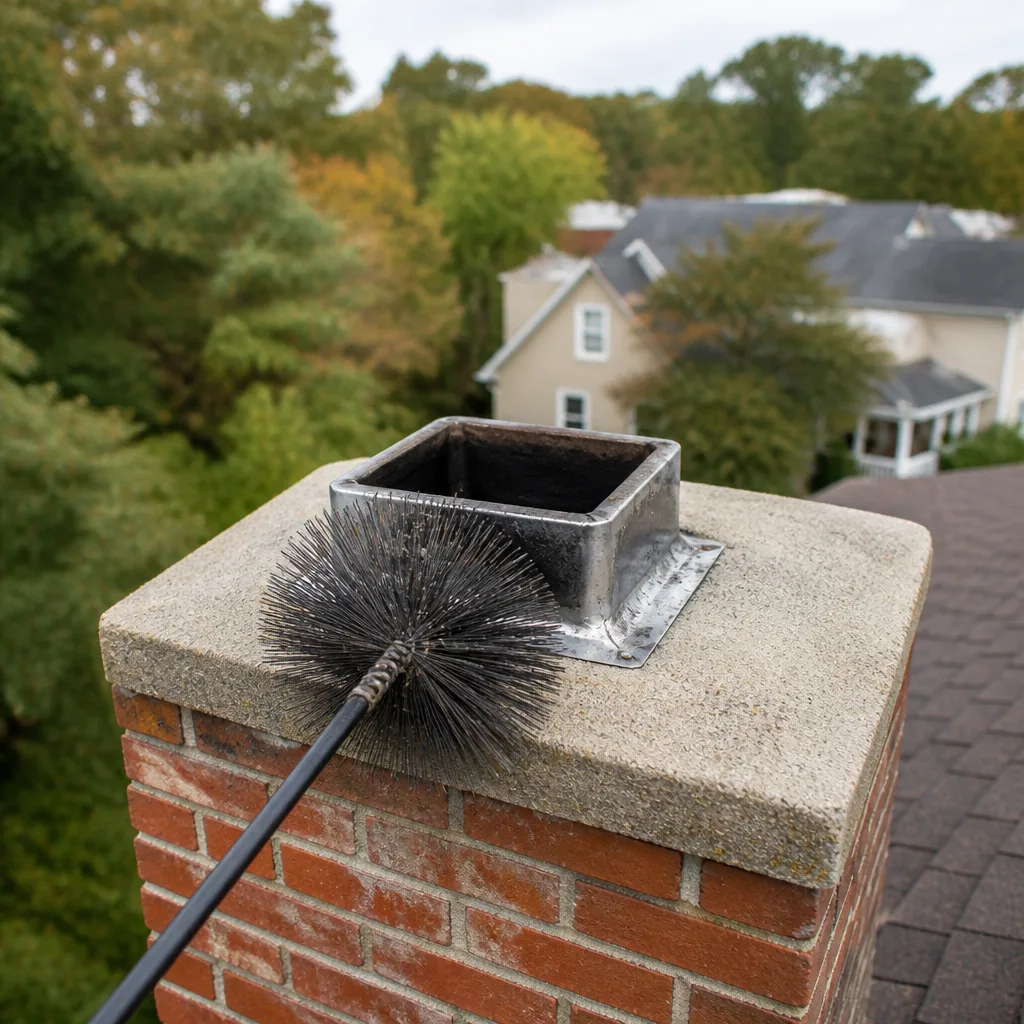 Sweep & inspection
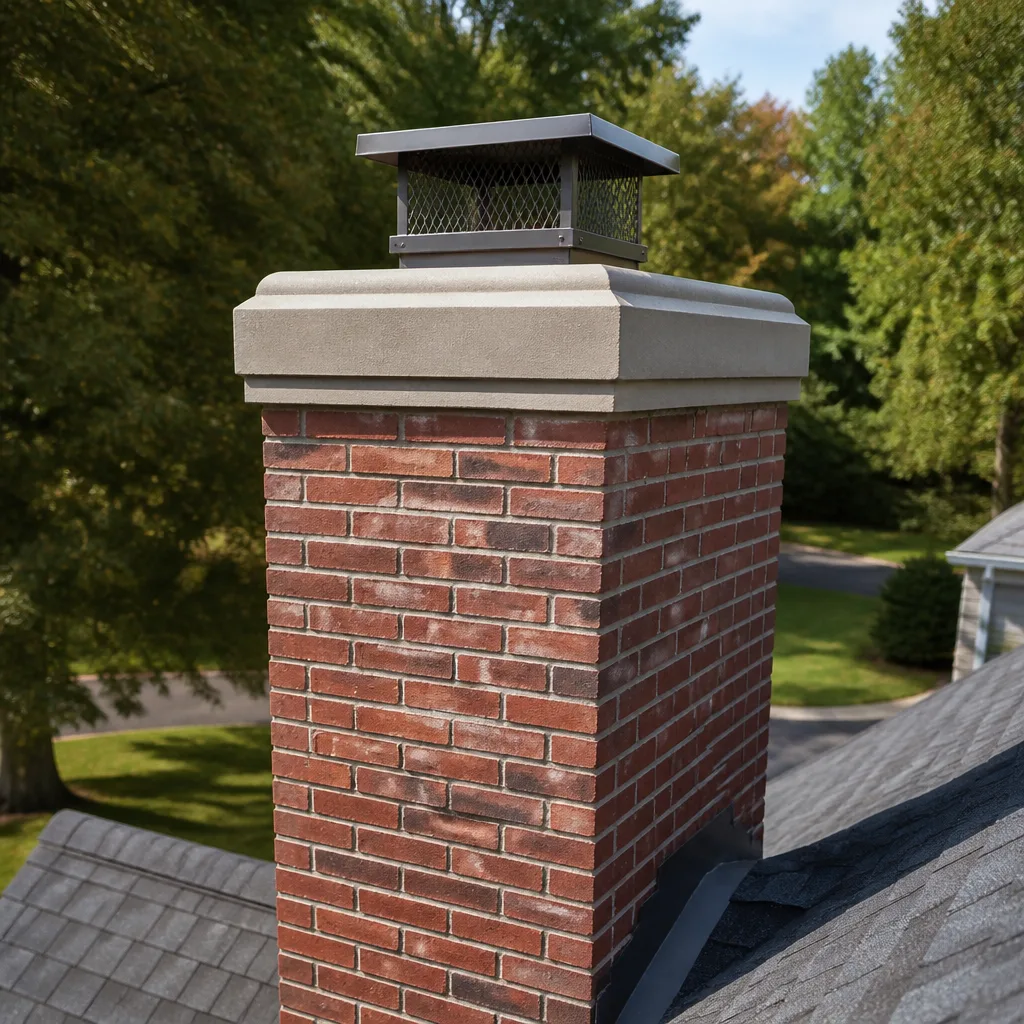 Caps & crowns
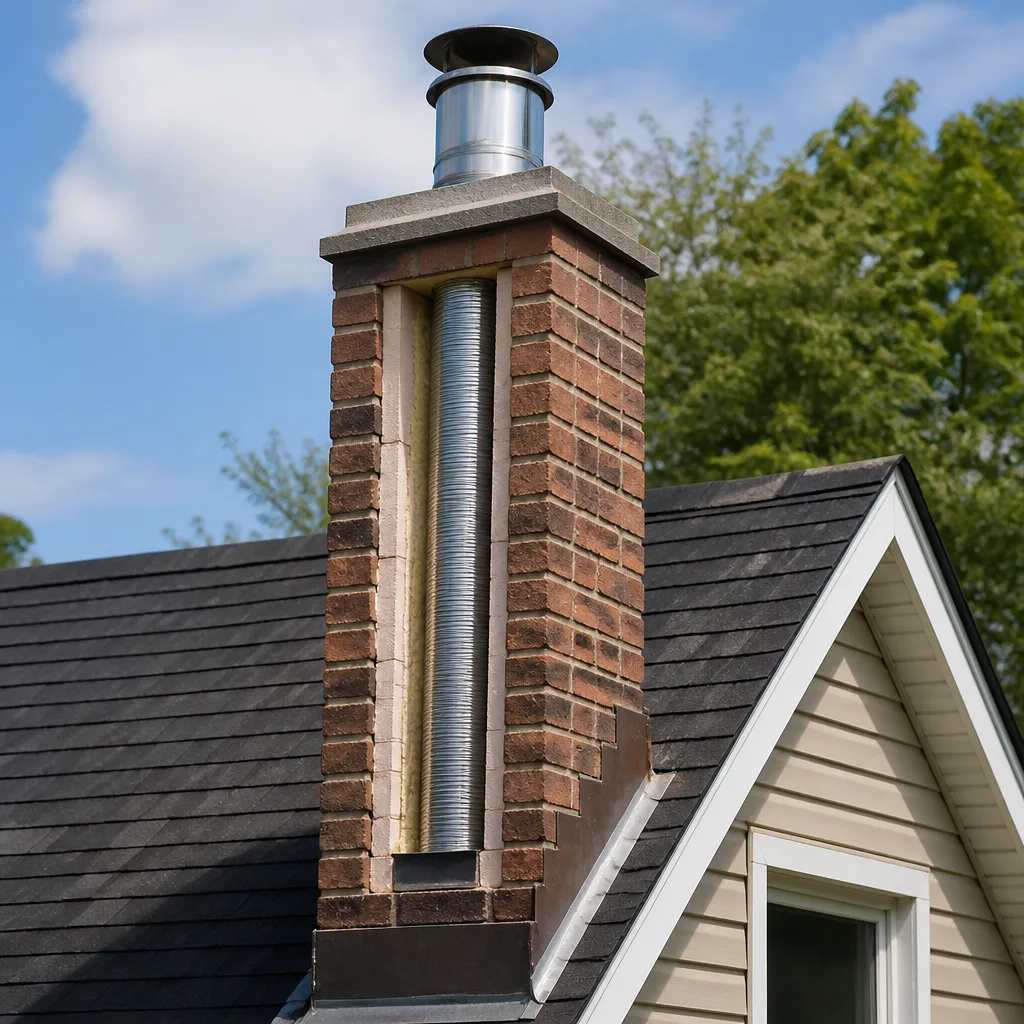 Flue relining
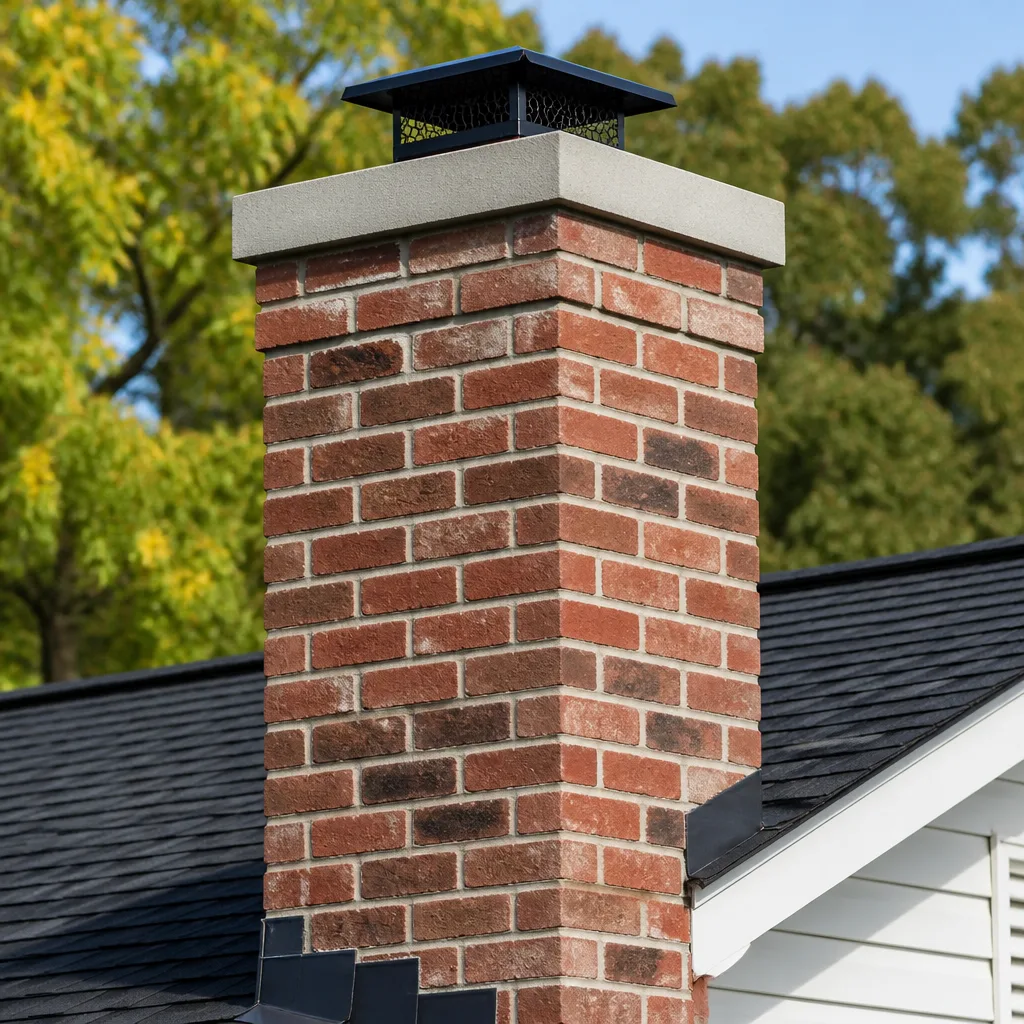 Masonry repair
 Gas fireplace service
Level 1 sweep and inspection to the NFPA 211 annual standard - flue, crown, cap, and flashing checked and photographed
Chimney sweep logs do not sweep chimneys. They loosen some creosote - which then falls where a brush and vacuum still have to collect it.
Chimney Cleaning Permits, Codes & Inspections in Irving Park, NC: What You Need to Know
Most homeowners assume a chimney cleaning never touches a permit. You call for a sweep, someone brushes the flue, you pay, and that’s the end of it. But the line between maintenance and alteration is thinner than people think. If a sweep installs a new liner or applies a firebox resurfacing product during what you thought was a routine cleaning, you may have just had permitted work done without a permit. That gap matters at resale, at insurance review, and after a chimney fire. This guide walks through the North Carolina Residential Code sections that govern chimney systems, where Forsyth County and Irving Park jurisdiction draw the maintenance-versus-alteration line, and the questions to ask before anyone touches your flue.
Quick Answer
A chimney cleaning by itself does not require a permit in Irving Park, NC. Repairs that follow a cleaning often do. Under the North Carolina Residential Code, alterations to a chimney system, including liner replacement, firebox resurfacing, and structural repair, fall under R1001 through R1005 and generally require a permit through the local code authority. A Level 2 inspection is the standard used in real estate transactions to document that any liner or repair work was done properly.
Styles & brands we work with
- Sweep & inspection
- Caps & crowns
- Flue relining
- Masonry repair
- Gas fireplace service
Table of Contents
- What does the North Carolina Residential Code actually say about chimneys?
- When does chimney work cross from maintenance into alteration?
- How do permits work in Forsyth County and within Irving Park?
- What is a Level 2 inspection and why does it matter at resale?
- How does unpermitted liner work surface during a home inspection?
- What should you ask a contractor about code compliance?
- How does the Irving Park climate affect chimney wear?
What Does the North Carolina Residential Code Actually Say About Chimneys?
The North Carolina Residential Code devotes a specific chapter to chimneys and fireplaces, and it runs from R1001 through R1005. Most homeowners never read it. Contractors who do residential chimney work should know it the way a framer knows the span tables.
Here is the short version of what each section covers, so you know what to look for when you read an inspection report or a contractor’s scope of work.
- R1001 – Masonry fireplaces. Sets the requirements for firebox dimensions, hearth extensions, clearance to combustibles, and the thickness of masonry walls that enclose a flue. This section is where you find the rules a firebox has to meet if it’s being rebuilt or resurfaced.
- R1002 – Masonry chimneys. Covers flue sizing, chimney height above the roof, wall thickness, and the flue liner requirement. This is the section that governs whether a clay tile liner is in acceptable condition and how a replacement liner has to be sized and installed.
- R1003 – Factory-built fireplaces. Applies to prefabricated fireplaces and their listed venting systems. The manufacturer’s installation instructions are part of the code here, which matters because a lot of liner work involves matching a listed vent to an existing fireplace.
- R1004 – Factory-built chimneys. Governs the venting systems that come with factory-built fireplaces, including clearance requirements.
- R1005 – Chimney crickets. Governs the cricket – the small peaked diversion built on the roof side of a chimney wider than 30 inches, to shed water around the stack. Missing or badly built crickets are one of the leading causes of chimney leaks in Irving Park homes with wide masonry stacks.
What ties these sections together is a single principle: the chimney is part of the building envelope, not an appliance. Codes treat it as a permanent structural element with fire-safety implications. That’s why alterations to it require oversight, and why a properly done job involves documentation.
When Does Chimney Work Cross from Maintenance into Alteration?
The line between maintenance and alteration is the most important line in this guide. Most homeowners don’t know where it is, and some contractors prefer it that way.
Maintenance means keeping the chimney in the condition it was built to. It’s the routine work. It doesn’t change the system, it just removes what builds up over time.
- Sweeping the flue to remove creosote and soot
- Removing a bird’s nest or debris blockage
- Cleaning the firebox and smoke shelf
- Replacing a chimney cap that’s rusted out or blown off
- Inspecting the system and documenting findings
Alteration means changing the system. It creates something new, replaces a component that’s part of the structure, or restores a surface that had failed. This is where permits usually come in.
- Installing a new stainless steel liner inside an existing flue
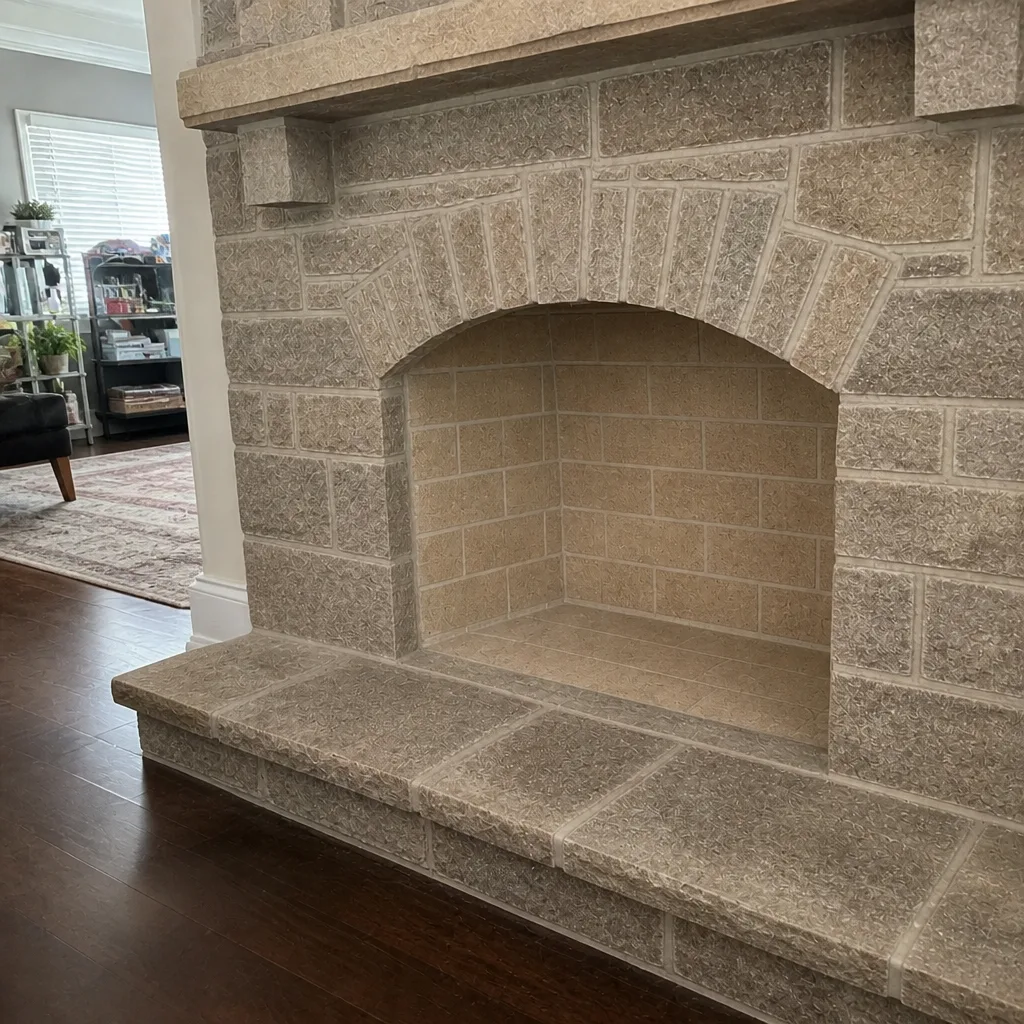
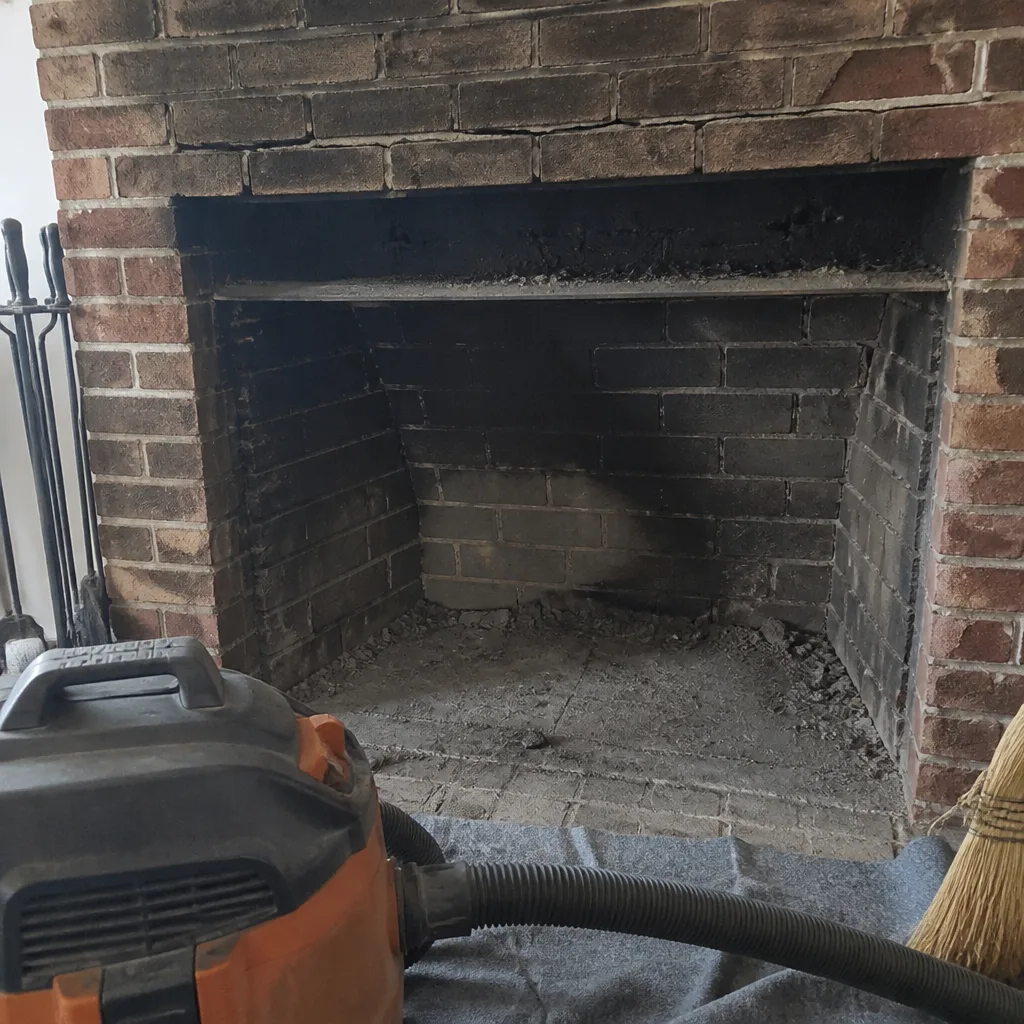
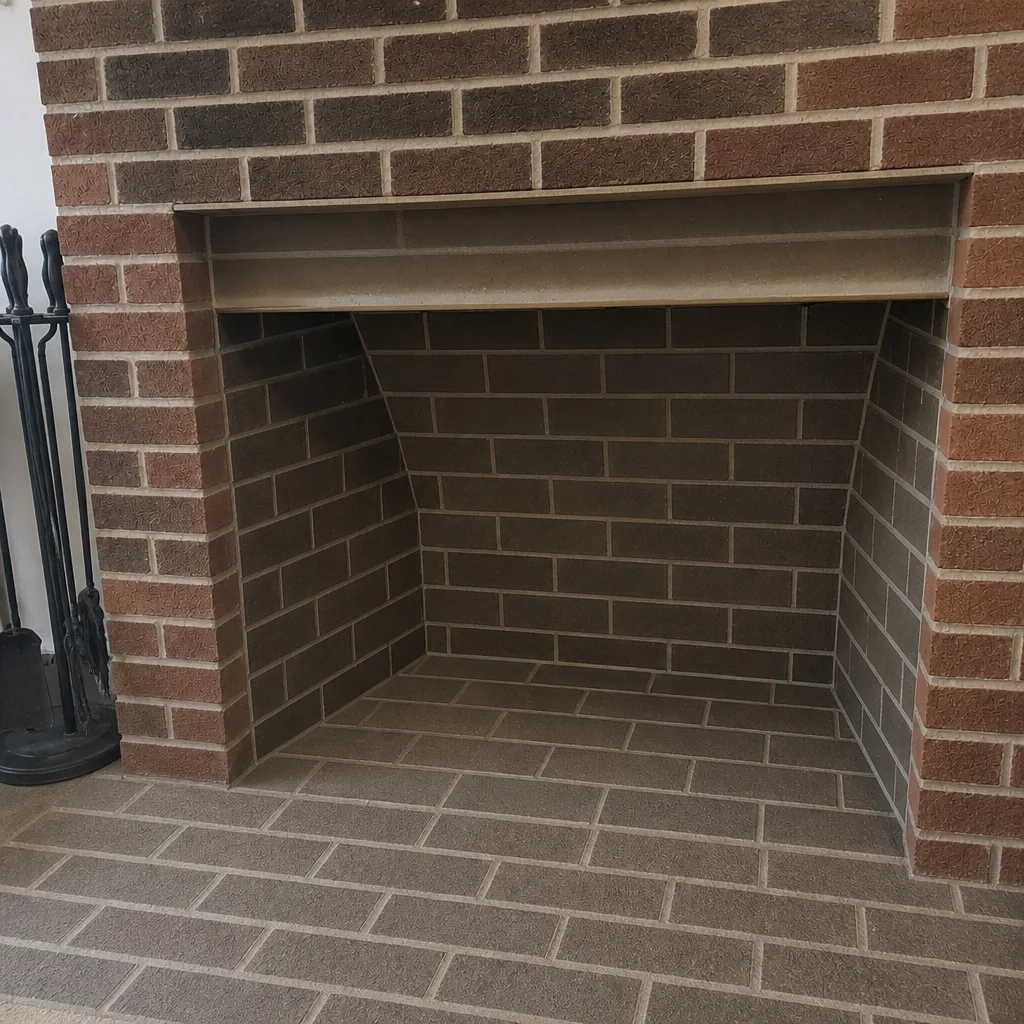
- Applying a firebox resurfacing product like HeatShield to rebuild a cracked firebox
- Relining a flue that was previously unlined or had a failed clay tile liner
- Rebuilding a damaged crown or chimney top
- Structural masonry repair – repointing, rebuilding above the roofline, or repairing a cracked stack
- Changing the flue size, adding a second flue, or converting a fireplace to a different fuel type
Here’s the practical problem. A sweep arrives for a routine cleaning and finds a cracked firebox wall or a deteriorated clay liner. Both are real issues. Both need attention. But if the sweep applies a resurfacing product or installs a flexible liner on the spot, they’ve just done alteration work. Whether that work required a permit is a question about your jurisdiction and your contractor’s compliance with it. When we inspect before we recommend, we tell you whether the fix you need is maintenance or alteration, and we explain what that means for your permit situation.
How Do Permits Work in Forsyth County and Within Irving Park?
Irving Park sits inside Forsyth County, and ordinance and code enforcement work through the county’s building department. Any permit that’s required for chimney alteration work is pulled through that authority, not through a separate Irving Park office.
What that means in practice is straightforward. If the work you’re having done falls into the alteration category – liner installation, structural repair, firebox rebuild, major crown replacement – a permit application goes to the Forsyth County building department. An inspector reviews the work at defined stages. A final inspection closes the permit and creates a record.
Here’s the part homeowners miss. The record is the point. A closed permit with a passing final inspection is one of the few pieces of documentation that establishes your chimney was repaired to code by someone accountable to an inspector. In a resale, in an insurance review, or after any future problem, that record answers the question “was this done right?” without depending on memory or a receipt.
For routine cleaning, no permit is involved. Sweeping is maintenance. It doesn’t create a paper trail, and it doesn’t need one.
Two caveats are worth stating plainly. Permit requirements are set by the local code authority, and specific rules can be updated. Always confirm the current requirement with the Forsyth County building department before work begins, not after. And if you’re working with a contractor who waves off the question entirely, saying permits aren’t needed for “just a liner,” treat that as a signal to verify with the county yourself. We don’t decide what needs a permit – that’s the county’s call. But we can tell you what the work involves so you know what to ask about.
What Is a Level 2 Inspection and Why Does It Matter at Resale?
A Level 2 inspection is a detailed, documented chimney inspection that goes beyond the basic visual check. It’s the standard used during real estate transactions, after a chimney fire, after an event that may have damaged the system, and any time a change has been made to the chimney’s fuel type or flue configuration.
The core difference from a Level 1 inspection is the method. A Level 1 is visual only, using whatever can be seen from the firebox and the roof. A Level 2 adds a video scan of the flue interior, and it may involve access to concealed areas like an attic or crawl space if the flue passes through them.
What a Level 2 gives you is documentation. Not a verbal report, not a hand-waving “looks fine,” but a written record with photographs or video evidence of what was found. That’s why it’s the default in transactions. A buyer’s representative and an insurer both want proof, and a Level 2 produces it.
If you’re buying an older home in Irving Park, or selling one, a Level 2 inspection should be on the schedule. The neighborhood has housing from several eras, and some of it has had chimney repairs of uncertain origin. A video scan reveals whether a liner is present, whether it’s continuous, whether joints are offset or missing, and whether a previous repair was done in a way that meets current requirements. It’s not a test of the seller. It’s a document about the system.
Our technicians have up to 8 years of experience conducting inspections with documentation you can hand to a buyer, a lender, or an insurer. Inspecting before recommending is how we work. If a camera reveals something, you’ll see the footage yourself before we talk about options.
How Does Unpermitted Liner Work Surface During a Home Inspection?
Unpermitted chimney work is not usually hidden. It tends to show up, often at the worst possible time.
The most common way it surfaces is during a home inspection at resale. A general home inspector who sees evidence of a recent liner install or firebox resurfacing will ask whether the work was permitted. If there’s no permit on record, that question becomes a negotiation item. The buyer’s side wants verification. The seller’s side can’t produce it. The transaction stalls, or the price comes down, or the deal gets re-scoped.
A chimney professional called in to inspect is going to look for the same things:
- The liner itself. Is it continuous from the top of the flue to the connection at the appliance? Is it properly sized for the flue it’s in? Is it correctly terminated at the top and bottom?
- Clearance to combustibles. An insulated liner installed without proper clearance or insulation can create a hidden hazard. Improper installs are visible to someone who knows what to look for.
- The firebox. A HeatShield or similar resurfacing job done correctly is difficult to distinguish from the original surface by eye. Done incorrectly, it shows adhesion failures, cracking, or improper thickness.
- Documentation. Permits, inspection reports, manufacturer paperwork. The absence of a paper trail is itself a finding.
The cost to remediate unpermitted or improper work depends entirely on what’s wrong. A liner that’s correctly installed but simply wasn’t permitted may only need verification and inspection. A liner that’s incorrectly sized, improperly insulated, or installed with the wrong termination has to come out and go back in – and the cost of the do-over almost always exceeds the cost of doing it right the first time.
This is why material choices matter alongside documentation. A DuraFlex liner system from a recognized professional supply line arrives with manufacturer documentation, is specified for the application, and installs to a known standard. Off-brand substitutes might be cheaper on the invoice. They leave you with nothing to show an inspector, and nothing to fall back on if something fails.
What Should You Ask a Contractor About Code Compliance Before Any Repair Work Begins?
The right questions before work starts prevent most of the problems this guide describes. Ask them before you approve any repair scope, not after.
Here is the list we’d want asked of us, and the list we recommend asking of anyone.
- “Is the work you’re proposing maintenance or alteration?” A contractor who can answer this clearly has thought about the distinction. A contractor who says “it’s all just chimney work” is telling you something.
- “Does this specific job require a permit in Forsyth County?” Not “usually” or “sometimes.” Ask about this job. A qualified contractor will either know or will direct you to the county.
- “Who pulls the permit if one is required?” The answer should be the contractor – not you.
- “What product are you installing, and is there manufacturer documentation?” The answer should be a specific product from a recognized line. DuraFlex, HeatShield, Olympia Chimney, and Copperfield are names you can look up and verify. A generic “stainless liner” is not an answer.
- “Will you document the work with photographs or video?” A pre-work inspection and a post-work record are both standard on a professionally run job.
- “What will the inspection report contain?” If you’re getting a Level 2, the report should show findings with evidence, not just a checklist.
- “If I sell this house in five years, what will you hand me to show a buyer?” The answer you want is: the inspection report, the manufacturer documentation, and the permit record if one was required.
We work with the material lines that carry paperwork and the installation standards that hold up to inspection – DuraFlex, HeatShield, Olympia Chimney, and Copperfield. Not because a name on a box guarantees a good install, but because the documentation that comes with professional-grade materials is the same documentation that answers the questions a buyer, an inspector, or an insurer will ask. The right product, properly installed, with paper to prove it. That’s the full picture.
How Does the Irving Park Climate Affect Chimney Wear?
Irving Park sits in the North Carolina Piedmont, and the climate there works on masonry chimneys in a few specific ways.
The first is the freeze-thaw cycle. Winter temperatures in this part of North Carolina commonly swing above and below freezing within a single day. Water that gets into exterior masonry – through a cracked crown, a missing cap, or a failed mortar joint – freezes overnight and expands. Then it thaws and contracts. Repeated many times over a winter, that cycle widens cracks, spalls brick faces, and opens mortar joints. A crown that’s shedding water properly is what keeps that cycle out of your masonry. A crown with a hairline crack is the entry point.
The second is the humidity. Piedmont summers are humid. A chimney that sits unused from spring through fall collects moisture in the flue, which accelerates the breakdown of clay tile joints and rusts any metal components that aren’t stainless. A tight-fitting cap that keeps rain and animals out while letting the flue breathe is one of the least expensive insurance policies a chimney has.
The third is that Irving Park has a lot of older housing stock. Chimneys built decades ago may still have their original clay tile liners, original mortar, and a crown that’s seen every freeze-thaw event since. None of that is a defect. But it means the chimney in an older Irving Park home deserves a real inspection, not a quick glance from the ground.
Climate doesn’t create the permit question. But it creates the conditions that lead to repairs – and repairs are where the permit question lives. A chimney repair in Irving Park is a chance to know exactly what was done, what it cost, and what documentation exists. That’s worth more than a low bid.
Common Mistakes to Avoid
- Assuming “just a cleaning” is always just a cleaning. If the scope expands to a liner or a firebox resurfacing, the permit question has already changed. Ask whether the additional work is alteration before signing off.
- Letting a contractor tell you permits are never required for chimney work. That’s not accurate in Forsyth County, and treating it as gospel leaves you holding the liability. Verify with the county yourself if you’re unsure.
- Skipping the Level 2 inspection during a home purchase. A general home inspection does not include a video scan of the flue. That’s a separate service, and in a resale it’s the one that produces the documentation a buyer wants.
- Accepting a generic “stainless liner” without a product name. A specific product from a recognized manufacturer carries documentation. A generic liner carries nothing.
- Ignoring a cracked crown because “the chimney still works.” It works until water gets into the masonry, and then it stops working expensively. Crown repair is a fraction of structural chimney repair.
- Choosing a sweep on price alone. The lowest bid is often the one that skips the camera scan before recommending and leaves you without documentation. The right question is what the contractor will show you, not what they’ll charge.
- Using a general handyman for liner work. Liner installation is a specified job with a code section behind it. A handyman can install a liner the same way a homeowner can install a water heater – which is to say, without accountability.
See the difference
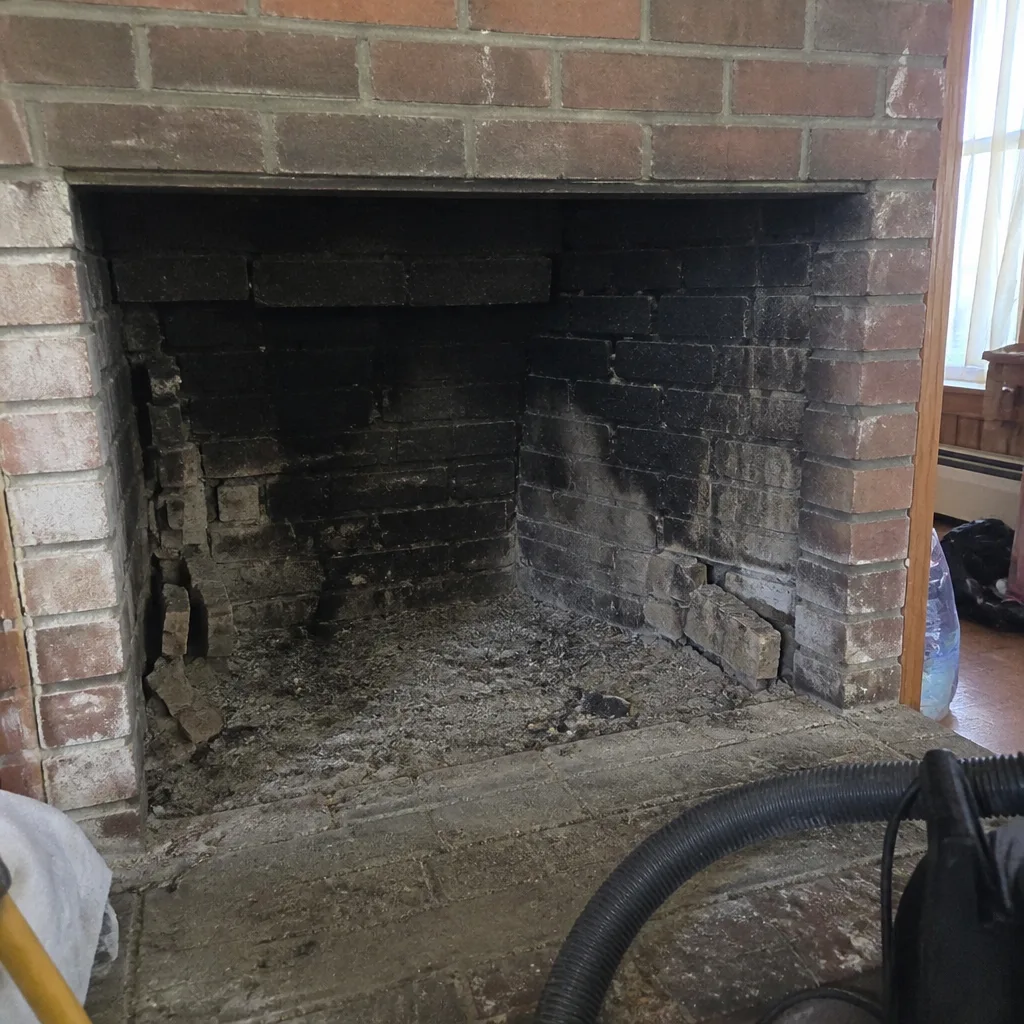 Before
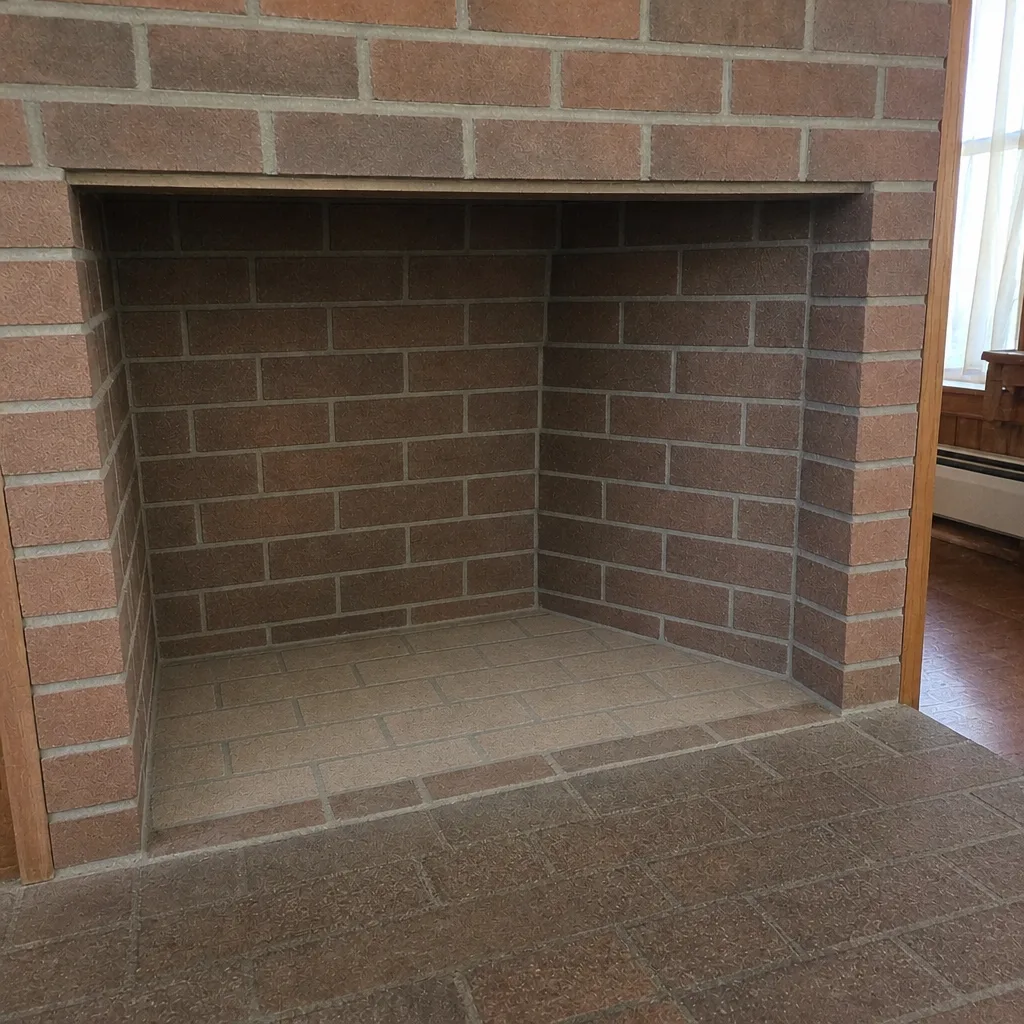 After
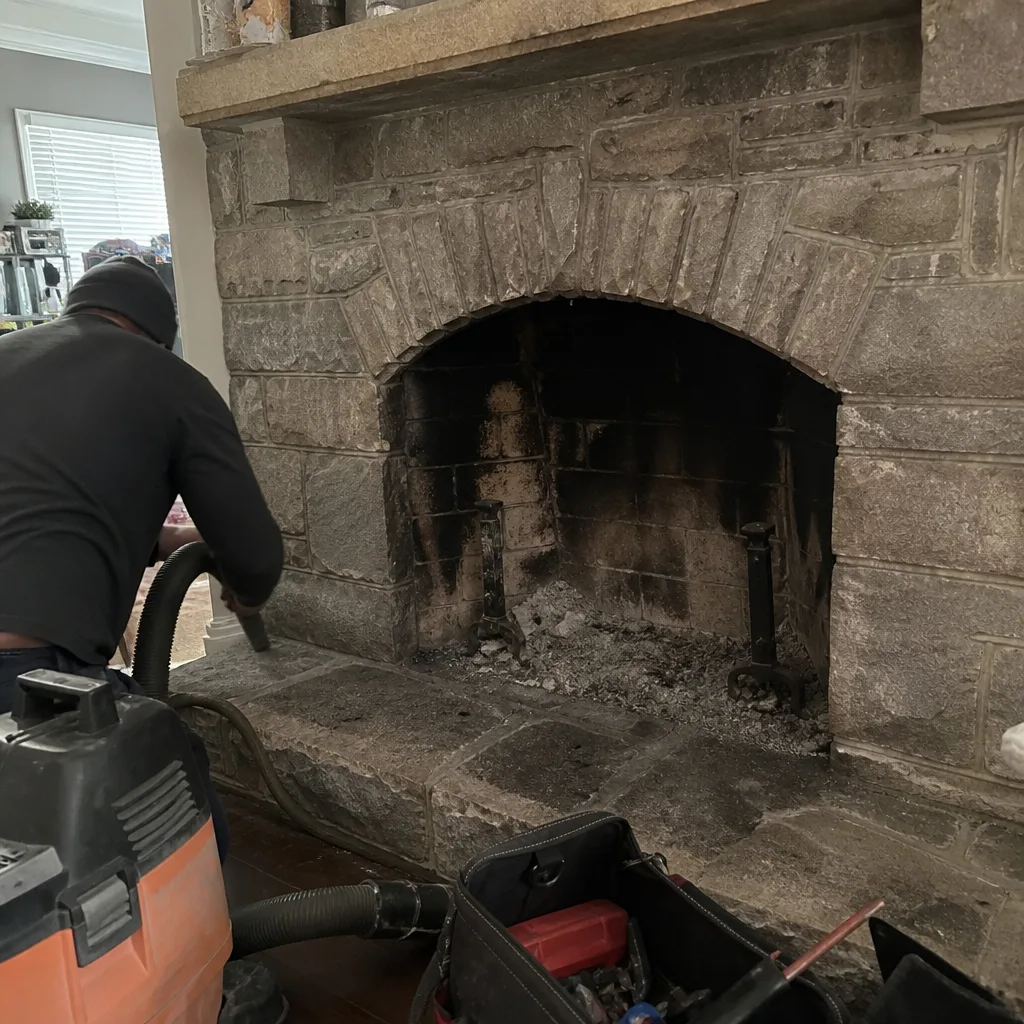 Before
 After
 Before
 After
When to Call a Professional
Some chimney situations call for a trained technician, not a homeowner with a flashlight. If your firebox walls are visibly cracked, if you’ve had a chimney fire, if the clay tile liner is broken or missing in any section, if the crown is cracked, if a cap has blown off and the flue has been open to the weather, or if you’re buying an older Irving Park home and don’t know the chimney’s history – call a professional. High-tension components and structural masonry are not a do-it-yourself category, and a flue that looks fine from the firebox can hide joint failures a camera would catch in seconds.
Chimney Sweep Irving Park offers free estimates in Irving Park. We inspect before we recommend, we’ll show you the camera evidence, and we’ll tell you plainly when work can safely wait. One contractor handles the sweep, the inspection, and any repair – from the firebox to the crown. An inspection can be booked as a standalone document, which is useful for a transaction or an insurance review. Call (844) 625-7370. We answer 24/7. Fast dispatch from 7am to 7pm, Sunday through Friday.
Frequently Asked Questions
No. Routine chimney cleaning is considered maintenance and does not require a permit in Irving Park or anywhere in Forsyth County. Permits apply to alteration work – liner installation, firebox resurfacing, and structural repair. Call (844) 625-7370 for an exact quote – estimates are free.
Maintenance keeps the chimney in its current condition – sweeping, debris removal, cap replacement, inspection. Alteration changes the system – new liner, firebox resurfacing, structural masonry repair. The distinction matters because alteration work may require a permit through the Forsyth County building department, and maintenance work does not. Call (844) 625-7370 to schedule an inspection that documents which category your chimney falls into.
Yes, if you want documentation the buyer’s side will accept. A Level 2 inspection includes a video scan of the flue and produces a written report with evidence. General home inspections don’t do this. It’s the standard record used in real estate transactions, and it’s what an insurer will ask for if there’s ever a claim. Call (844) 625-7370 – estimates are free.
The work surfaces at resale, at insurance review, or during a subsequent inspection. Whether it’s a problem depends on whether the liner was installed correctly – the permit is documentation of that, not the quality itself. A Level 2 inspection with video can determine whether the installation meets current requirements and what remediation, if any, is needed. Call (844) 625-7370 for an inspection and a written report.
We work with professional-grade lines including DuraFlex flexible liner systems and HeatShield chimney resurfacing, plus components from Olympia Chimney and Copperfield. These are recognized supply lines in the chimney trade, and the documentation that comes with them is what a county inspector, an insurer, or a future buyer will want to see. Call (844) 625-7370 to discuss which product fits your chimney.
The general rule is once a year for a chimney in regular use, and more often if you burn heavily or burn wood that produces a lot of creosote. Inspection should happen at the same time – the sweep removes buildup, the inspection tells you whether the flue is sound. If it’s been more than a year, or if you’ve just moved into an older Irving Park home and don’t know the history, book an inspection. Call (844) 625-7370 – estimates are free.
The Bottom Line
A chimney cleaning doesn’t need a permit. The repairs that often follow one might. In Irving Park, the difference lives in the North Carolina Residential Code sections R1001 through R1005, and the permit authority for anything that crosses into alteration is the Forsyth County building department. Knowing that line protects you at resale, at insurance review, and after any future problem. Ask your contractor what’s maintenance, what’s alteration, and what documentation you’ll have when the job is done. Verify the permit question with the county directly rather than taking a verbal assurance. And if a sweep recommends a liner or a firebox resurfacing during what you thought was a routine cleaning, pause and ask the paperwork question before the work begins.
We work from the firebox to the crown, with professional-grade materials and documentation that stands up to inspection – from the sweep, through the repair, with one contractor accountable for the whole system. Call (844) 625-7370. We answer 24/7. Fast dispatch from 7am to 7pm, Sunday through Friday. Estimates are free, and we’ll tell you plainly when work can safely wait.
Written by the team at Chimney Sweep Irving Park.